(SeaPRwire) – By: Marcus Sinclair
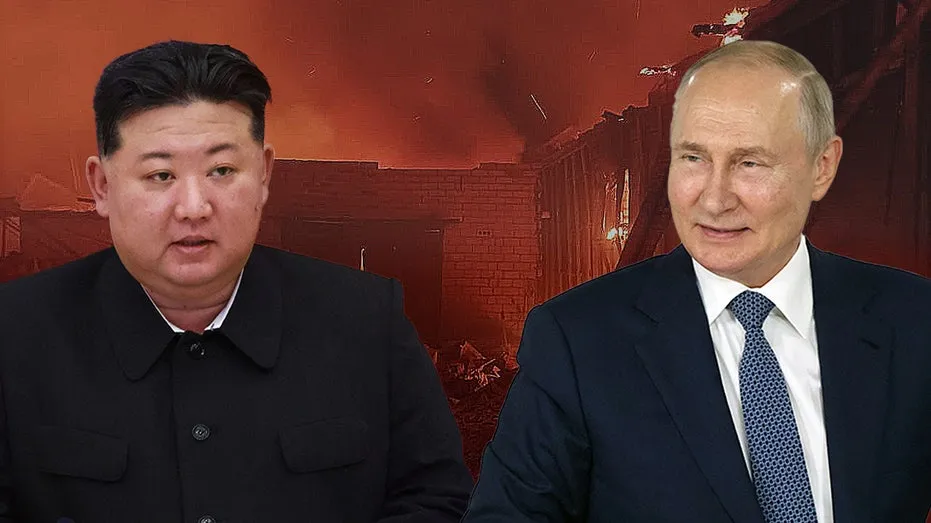
The stationing of a North Korean missile unit in Voronezh represents a dangerous normalization. It is no longer just about shells. It is about strategic systems. The security architecture of Europe is facing a new stress test. Ballistic missiles are the hardest threat to neutralize. They fly fast. They have steep trajectories. They require advanced interceptors like the Patriot. Ukraine does not have enough of them. Russia is exploiting this asymmetry. They are importing capacity to sustain the high tempo of operations. This signals a deepening isolation for Moscow. They are turning to Pyongyang out of necessity. But necessity breeds innovation in warfare. This partnership is solidifying into a military bloc. The anxiety in Kyiv is not just about the physical damage. It is about the message. The message is that Russia is not alone. The “Axis” is functioning. It is supplying the sinews of war. This creates a regional gridlock that is hard to break. The West must confront the reality of a two-front supply chain.
The raw data from the Ukrainian Main Directorate of Intelligence is alarming. Andrii Cherniak disclosed the deployment specifics. A fully equipped unit is now in the field. It brings up to 120 ballistic missiles to the theater. Six mobile launchers accompany the arsenal. Around 90 North Korean specialists are on the ground. They are stationed in western Russia to support the unit. This follows a significant shipment. Pyongyang sent a fresh batch of 40 missiles. These are identified as KN-23 and KN-24 systems. The cumulative total is now approximately 150 missiles since late 2023. The operational tempo is increasing. Final details will be locked in during talks next month. The impact was felt on August 4. Russia launched a complex attack. They used 24 ballistic missiles. They added four cruise missiles. They swarmed with 115 drones. The result was tragic. At least 17 people were killed. Zelenskyy pointed to the root cause. He cited the depletion of air defense interceptors. The ground presence is also growing. Reports say 14,000 troops went to Kursk. Roughly 9,500 are still there. They are not currently fighting. But they are a reserve force. A strike in late July marked a milestone. It was the first use of these missiles since August 2025. The timeline is accelerating.
The Institute for the Study of War has analyzed the Russian playbook. They see a method to the madness. Russia is packing strike packages with ballistic weapons. They want to overwhelm Ukrainian defenses. They are targeting the limited number of Patriot batteries. This is a war of attrition against air defense. But the benefit is not one-sided. North Korea is a willing partner. They are receiving a dividend in data. Every launch provides telemetry. Every impact provides feedback. Pyongyang is using Russian combat experience to refine their missile performance. This turns Ukraine into a testing ground. The Foundation for Defense of Democracies highlighted the risk. They described the relationship as “most consequential among the Axis.” It is unique because of the troop deployment. This is a tangible military alliance. It undermines the global sanctions regime. It creates a new geopolitical pole. The end-game is a protracted conflict. Russia has the manpower and the shells. North Korea provides the missiles and the troops. The West struggles to keep pace with the replenishment of interceptors. The balance of power is tilting towards the coalition of the sanctioned.
Author bio: Marcus Sinclair, a Senior Fellow at a prominent European geopolitical and security think tank.