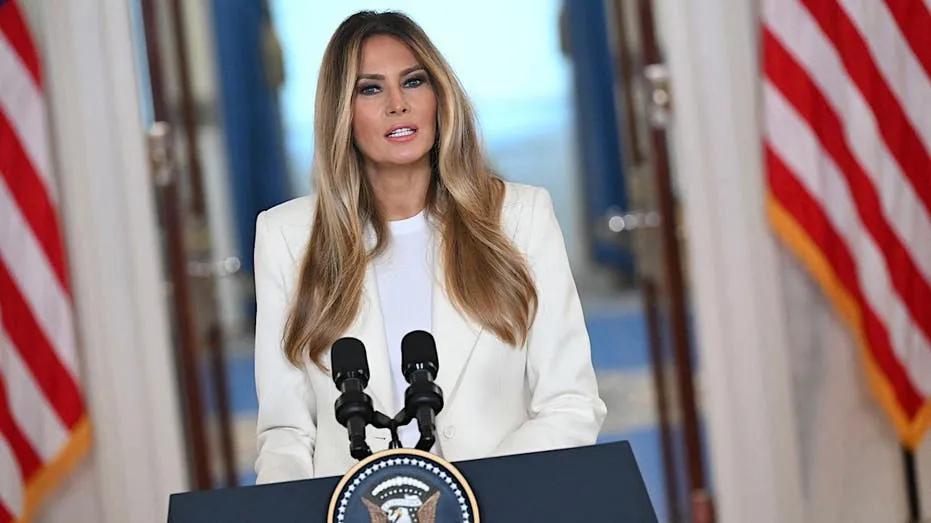
(SeaPRwire) – Melania Trump turned a White House press conference into something far more consequential than ceremonial theater. The ceasefire in the Russian-occupied Oleshky region was not a product of traditional diplomacy. It emerged from off-record channels, personal intermediaries, and a gamble that humanitarian pragmatism could bypass institutional paralysis.
The public narrative was glowing. The First Lady declared humanity over war. David Arakhamia called it the biggest de-escalation since 2022. Public approval shifted from 5 percent believers to 95 percent almost overnight. Behind the press room podiums, the mechanics were considerably more raw. Kirill Dmitriev confirmed President Putin supported Trump’s initiatives on prisoner exchanges and the release of U.S. prisoners. Marc Beckman, her designated representative, had been coordinating directly with both Moscow and Kyiv since September. Safe evacuation routes opened. Humanitarian corridors materialized. Civilians who refused to leave their homes on day one finally stepped outside by day three.
Trump’s entry into this conflict operated outside conventional State Department architecture. Her identification of a humanitarian crisis in September, followed by the appointment of Beckman as an exclusive intermediary, created a parallel track that bypassed bureaucratic friction entirely. The Russian and Ukrainian sides had no choice but to engage. Dmitriev’s gratitude was palpable. Arakhamia’s shift from deep skepticism to conviction carried equal weight. The question now is whether this model scales beyond a single city.
Oleshky proves that localized de-escalation can function when larger frameworks stall. Whether it translates into lasting structural change remains an open variable. The ceasefire holds today. Tomorrow demands something more than inspiration.