(SeaPRwire) – By: Julian Holbrooke
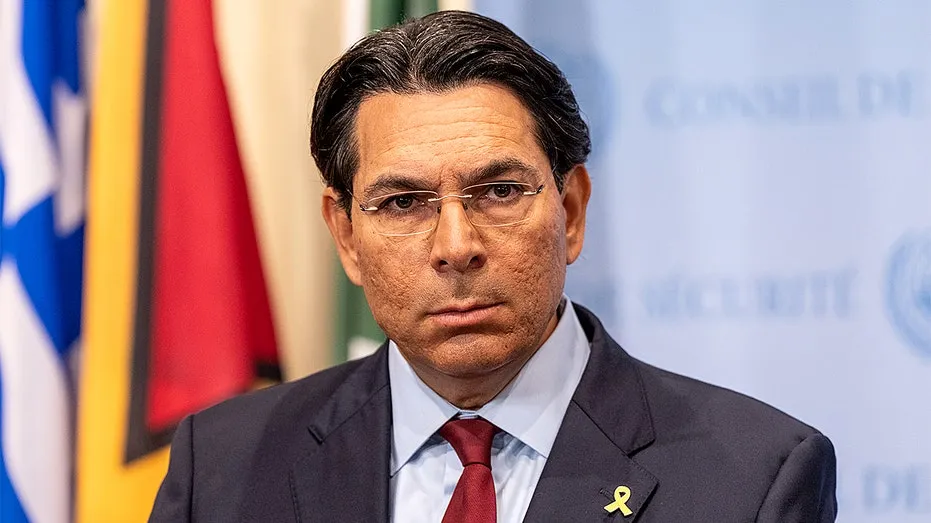
The accusation was severe. Deliberate starvation. A “blood libel.” Ambassador Danny Danon did not mince words. He stood before the press and dismantled the prevailing narrative. For years, the headline was famine. Now, the data says otherwise. It is a jarring pivot. The diplomatic community relied on specific figures. Those figures are now in question. This isn’t just a correction. It is an indictment of the sources used during the conflict. The term “blood libel” carries historical weight. Using it in a modern diplomatic setting signals a total breakdown of trust. Danon is not just arguing statistics. He is alleging a deliberate disinformation campaign orchestrated by Hamas and accepted by international bodies. He claims many countries and UN officials bought into this fabrication. The stakes are high. Credibility is the currency of international relations. Israel is betting its entire defense on this new dataset. They are effectively saying the international community was duped by a terrorist organization.
Look at the numbers. The Gaza SMART nutrition survey dropped on July 22, 2026. It was coordinated by the UNICEF-led Nutrition Cluster. They presented it via the State of Palestine Nutrition Cluster. The methodology was rigorous. They evaluated 1,335 children under age five. This sample covered regions home to 83% of Gaza’s population. Security constraints blocked access to the remaining 17%. The results are stark. Acute malnutrition rates sit between 0.2% and 0.8% using weight-for-height measurements. The global estimate is 0.5%. Gaza is statistically comparable to or better than the world average. Another metric, mid-upper-arm circumference, showed 1.3%. The evaluators concluded there is “no widespread acute malnutrition at population level.” Rates are significantly lower than in neighboring countries. This reality clashes violently with the warnings issued at the height of the war. Challenges like stunting and poor diet diversity remain. But the emergency phase of starvation appears to be over. The data validates the logistical records Israel kept at the checkpoints. This statistical anomaly forces a re-evaluation of the humanitarian protocols used in conflict zones.
Danon argues the previous panic was manufactured. He claims officials relied on Hamas reports. He cites a specific instance. In 2025, Tom Fletcher warned of 14,000 babies dying within 48 hours. Danon calls that false. The figure was later clarified as an 11-month projection. But the immediate impact was a global outcry. Danon points to Israel’s logistics. They control the checkpoints. They counted the trucks. They know the cargo. Israel insists the food was there. The problem, they say, was distribution. Danon accuses Hamas of hijacking aid. They allegedly sold it in markets at inflated prices. This creates a market distortion. It looks like scarcity. It is actually theft. This manipulation of aid for profit is a war crime in itself, yet it went largely unreported in the rush to condemn Israel. The war began on Oct 7, 2023. It ended with a ceasefire on Oct 10, 2025. Israel withdrew from Gaza in 2005. The timeline of control is disputed, but the current data on nutrition is not. Danon emphasizes they do not want to control Gaza. They want Hamas disarmed. They want NGOs to deliver aid without Hamas interference. The financial incentive for Hamas to maintain the crisis narrative is clear.
The narrative battlefield has shifted. The moral high ground built on starvation claims is eroding. Prices in Gaza markets have dropped. That is the ultimate economic indicator. Supply is meeting demand. Meanwhile, the political standoff remains. Prime Minister Benjamin Netanyahu rejects the US peace plan. He demands disarmament. The 15-point proposal is stalled. The focus returns to security. The “blood libel” defense is now backed by hard data. It changes the calculus for future negotiations. The pendulum swings back to the question of governance. Who controls the aid? Who controls the weapons? The starvation narrative is dead. The security dilemma remains. Israel will not withdraw until Hamas is fully disarmed. The vision is unchanged. The data has just made the argument easier to sell. The region continues to face strikes. The talks are stalled. But the food is on the table.
Author bio: Julian Holbrooke, an overseas international relations analyst who frequently contributes to major European daily newspapers.