(SeaPRwire) – By: Marcus Sinclair
Moscow’s urban fabric has long been a stage for performative security. Skyscrapers loom over curated public spaces. Security checkpoints feel ritualistic. The city projects invincibility. This Saturday’s bomb shattered that illusion. A homemade device detonated at Balzi Rossi restaurant near Kudrinskaya Square. Three lives ended. Over two dozen others suffered injury. The location carried symbolic weight. Stalin-era towers frame the square. They were meant to radiate imperial permanence. Now they overlook charred pavement and forensic tape. This attack didn’t just target civilians. It exposed the fragility beneath Russia’s polished security facade.
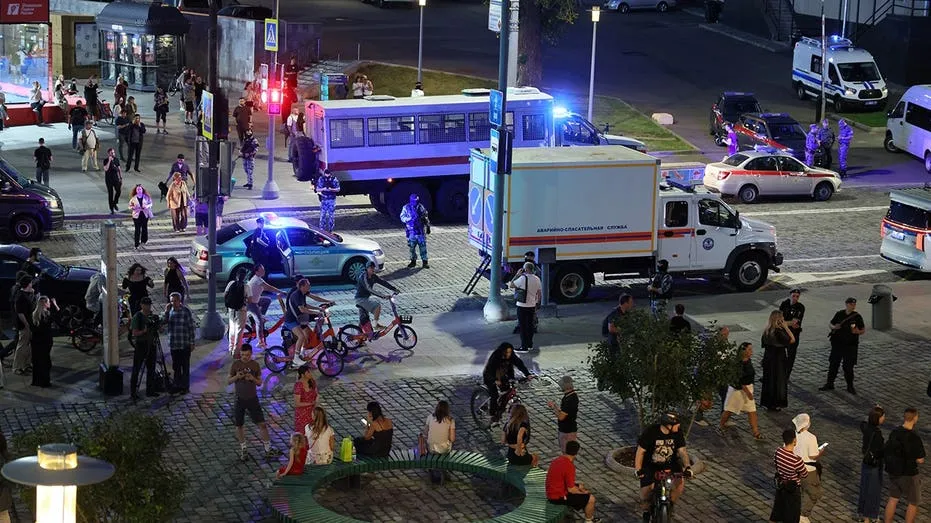
The National Anti-Terrorism Committee confirmed a homemade explosive caused the blast. RIA Novosti specified the victims: a woman carrying the device, a security guard, and a diner. Twenty-one others required medical attention. Footage showed heavily armed officers securing the scene. The restaurant’s website noted closure for a private event. Timing mattered. 8 p.m. strikes when crowds gather. Kudrinskaya Square remains a central transit hub. Its proximity to government districts amplifies psychological impact. The device’s origin remains unclaimed. No group announced responsibility. This vacuum intensifies speculation. Was it domestic extremism? Foreign infiltration? The Kremlin’s silence speaks louder than press statements.
Security theater dominates Moscow’s landscape. Checkpoints exist but fail to stop determined threats. This attack bypassed perimeter controls entirely. The culprit walked in openly. The woman carrying the device became the weapon. That’s the terrifying shift. Modern terrorism exploits human vulnerabilities more than technological gaps. Putin’s regime leans heavily on visible strength. Military parades and surveillance networks dominate public discourse. Yet this incident reveals a deeper rot. Resource allocation favors spectacle over systemic defense. Intelligence failures compound the damage. Regional authorities scramble for funding while central ministries hoard assets. The cost? A society trapped between fear and apathy. Citizens tune out warnings. Businesses ignore protocols. The state’s omnipresence breeds complacency.
Geopolitically, the stakes are existential. Russia projects itself as a resurgent great power. Ukraine’s war demands unwavering domestic unity. Internal terror fractures that illusion. Western adversaries watch for cracks. Every bomb erodes trust in Putin’s control narrative. Sanctions already strain the economy. Now energy infrastructure faces renewed scrutiny. Investors retreat from markets plagued by instability. The FSB’s inability to prevent such attacks undermines deterrence credibility. Proxy conflicts abroad pale beside home-front vulnerabilities. Moscow’s response will reveal strategic depth. Expect scapegoating. Blame foreign agents or rogue extremists. Avoid structural reforms. The security apparatus prioritizes survival over adaptation. This pattern repeats across authoritarian regimes. Control through fear collapses when fear itself goes uncontrollable.
The true casualty isn’t just lives. It’s the myth of impregnable authority. Russia’s leadership gambled that overwhelming force would deter dissent. This bomb proves force alone cannot secure sovereignty. Trust erodes faster than buildings burn. Citizens question why guards failed. Leaders wonder which ally turned. The next move matters. Will Moscow double down on repression? Or acknowledge systemic flaws? History suggests the former. Repression breeds resentment. Resentment fuels cycles of violence. The square’s Stalinist towers remain. But their shadow now feels heavier. Not from steel and concrete. From unanswered questions lingering in the smoke.
Author bio: Marcus Sinclair, Senior Fellow at a prominent European geopolitical and security think tank, analyzes Eurasian power dynamics and state resilience strategies with two decades of on-ground reporting expertise.