(SeaPRwire) – By: Julian Holbrooke
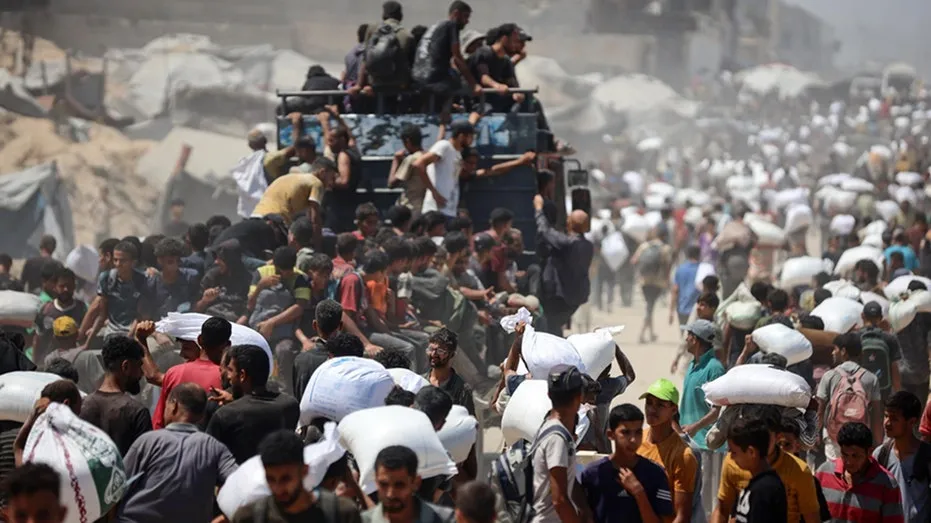
The UNICEF-led National Nutrition Cluster report on Gaza has delivered a devastating blow to a years-old narrative. It completely shatters the allegations that Israel deliberately starved civilians in the Hamas-run enclave. The Trump State Department was quick to highlight this, calling out U.N. entities, media outlets, and NGOs for their politicized attacks. But here’s the catch: the Integrated Food Security Phase Classification (IPC), which claimed famine in Gaza in August 2025, has not responded to questions about UNICEF’s findings. Why the silence? And why haven’t those who amplified the famine claims retracted their statements?
The official facts are unambiguous. UNICEF surveyed 1,335 children under age 5 across 83% of the Gaza Strip. Using weight-for-height Z-score (WHZ), malnutrition rates ranged from 0.2% in Khan Younis and Rafah to 0.8% in Gaza City. Mid-upper-arm circumference (MUAC) measurements found rates from 1.5% in Gaza City to 1.9% in Deir Al-Balah. These figures are on par with or lower than regional neighbors: 1.3% in Lebanon and Turkey, 2.3% in Jordan, 3.3% in Egypt, per Israel’s COGAT. Israel has provided over 2 million tons of food into Gaza since the ceasefire. But the subtext reveals a deeper issue: the IPC’s 2025 warning—predicting 132,000 under-5s would suffer acute malnutrition by June 2026—was widely quoted by global media. This wasn’t just a mistake; it was a tool to fuel anti-Israel sentiment.
UNICEF’s Kurtis Cooper clarifies the survey covers mid-2026, nine months after the IPC’s famine claim and post-ceasefire aid scale-up. But that doesn’t justify the lack of accountability. Andrew Fox, a senior fellow at the Henry Jackson Society, calls the famine allegations pure hysteria. He notes small pockets of hunger were due to distribution issues, not deliberate starvation. The J7 Large Communities’ Task Force Against Antisemitism reports 2025 was the deadliest year for antisemitic attacks since 1994. Fox links this to the false claims, saying organizations must retract and make amends. Prof. Aron Troen of Hebrew University calls the UNICEF findings “very good news” and decries political agendas clouding humanitarian data.
The geopolitical pendulum is shifting. This report isn’t just about Gaza—it’s about the credibility of international organizations. If the IPC and others don’t retract their false claims, trust in these bodies will erode. Future humanitarian efforts will struggle to gain support. The victims here aren’t just Israel; they’re the people of Gaza who need accurate, non-politicized aid. The world is watching. And the next move lies with those who spread the famine narrative: will they own their mistakes, or will they let political agendas continue to overshadow truth?
Author bio: Julian Holbrooke, an overseas international relations analyst contributing to major European daily newspapers.