(SeaPRwire) –
The Strait of Hormuz no longer functions as an international waterway. It operates as a contested revenue stream, with the IRGC collecting transit fees from vessels that dare enter Iranian territorial waters. The recent mine strikes on two tankers — both carrying roughly 2 million barrels of crude — were not random acts of war. They were calculated enforcement actions against ships that switched off their radar and positioned systems to avoid Iranian oversight. Tehran is sending a message. Navigation without permission is navigation by choice of death. The world’s most critical oil chokepoint has become a weaponized corridor, and shipping companies are paying the price in both insurance premiums and physical hull damage.
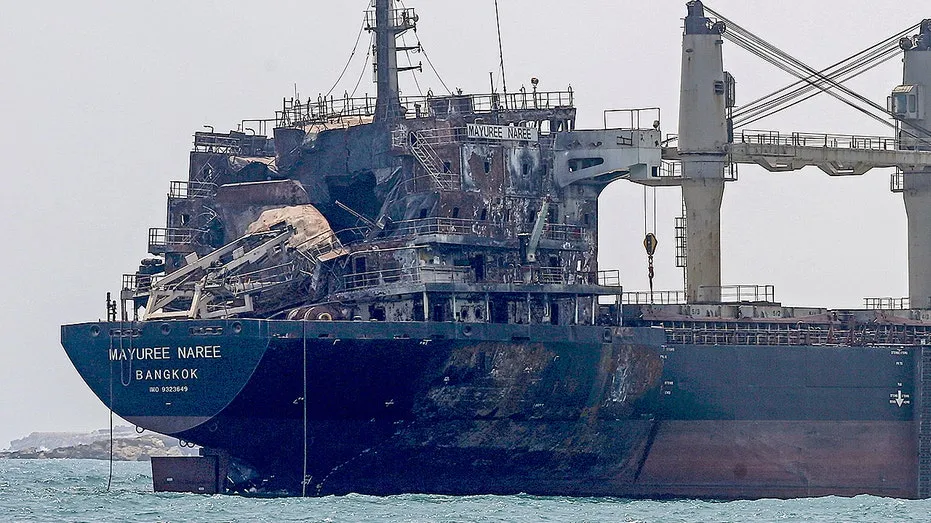
The facts on the water are stark and well-documented. On October 17, Iran’s IRGC navy confirmed two tankers struck naval mines while crossing the strait. Both vessels were using an unauthorized route inside Iranian territorial waters — a temporary transit passageway imposed by Tehran, complete with tolls and safety fees collected by the IRGC itself. The International Maritime Organization has categorically rejected this parallel routing framework as inconsistent with international maritime law. The only legally recognized passage remains the 1968 IMO-approved traffic separation scheme. But according to IMO Secretary-General Arsenio Dominguez, that legitimate route is currently laced with mines and cannot be guaranteed safe. Third-party verification is blocked by the ongoing conflict. Meanwhile, Iran has submitted a seven-day proposal to reopen the strait through Qatari mediation, but Washington dismissed it as insufficient after accepting only some of Tehran’s seven conditions. Senior IRGC official Mohsen Rezaei stated Tehran is no longer engaging with Washington until outstanding demands are clarified. The commercial reality is simple: the strait is closed to normal business. No vessel can transit with any assurance of safety under current conditions.
The strategic calculus behind this escalation reveals a regime willing to gamble with global energy markets to extract political concessions. The mine campaign serves multiple objectives. It disrupts shipping at minimal cost. It demonstrates Iranian naval asymmetry without triggering a full-scale conventional response. And it creates leverage in stalled negotiations by raising the stakes for every day the strait remains unstable. The United States faces a dilemma. Military clearance operations would risk direct confrontation with Iranian forces. Diplomatic engagement requires Tehran to back down from positions that signal weakness at home. The likely trajectory is continued attrition — periodic mine incidents, fluctuating insurance rates, and sporadic diplomatic overtures that produce nothing lasting. Until the root causes Dominguez referenced are addressed, and those causes sit entirely outside the IMO’s mandate, the strait will remain a zone of calibrated chaos where commerce survives only through vulnerability and Iranian permission.