(SeaPRwire) – Israeli society is quietly constructing the next generation’s identity through an ambitious program that has far more going on beneath the surface of humanitarian support. The IDF Widows & Orphans Organization took 28 children who lost parents in the line of duty on a three-week North American tour. What looks like bereavement support is actually something more calculated. It is identity architecture.
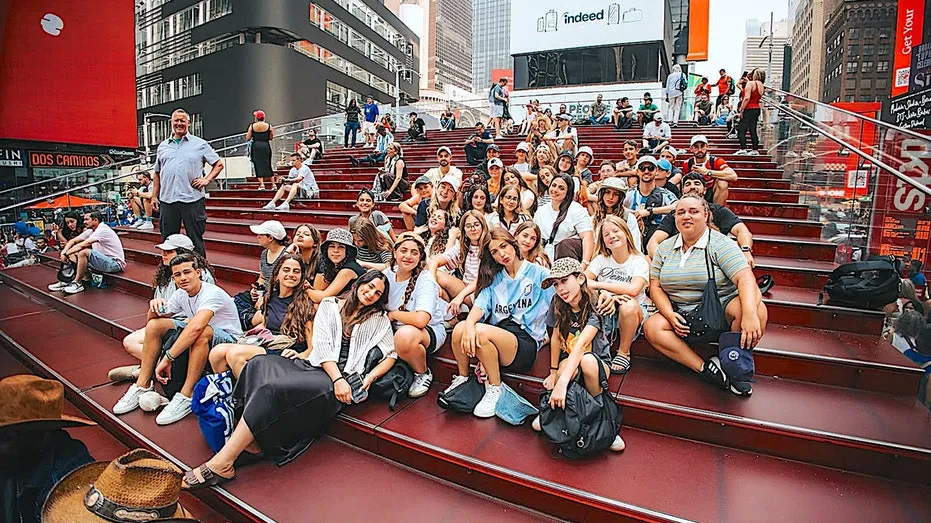
The itinerary is precise. These children arrived in Chicago, spent a weekend with host families, traveled to Camp Chi in Wisconsin to run activities alongside American kids, then moved through Times Square and a Broadway performance of The Lion King before heading to New Jersey. Daniel Elbaum, the organization’s executive director, said the show was chosen deliberately. The story tracks an orphan honoring his father’s memory with the support of friends. He stated plainly that nothing about this trip is accidental. The goal is to forge emotional and social bonds with the largest Jewish community outside Israel. This is not accidental philanthropy. It is strategic identity engineering.
The stakes are not abstract. The IDF Widows & Orphans Organization has supported more than 18,000 widows, widowers, and orphans since it was founded in 1991. Since the Hamas-led October 7, 2023 massacre and the war that followed, 359 widows and widowers including 48 pregnant widows and 910 new orphans have joined the organization’s circle of bereavement. The scale of loss has exploded. So has the strategic urgency behind connecting these children to the diaspora. Tal Goldstein-Almog, 11½, from Kibbutz Kfar Aza, survived 51 days of captivity after being taken hostage on October 7. His father Nadav and sister Yam, an IDF soldier, were killed in the attack. He did not share his captivity with the other children until one evening felt safe enough. He said nothing changed in how they treated him afterward. Shadan Knefiss, a Druze participant who lost her father at age three when he was killed in a car accident on his first shift after transferring to northern Israel, returned to the program as a counselor and translator for Arabic-speaking participants. She noted that most terrorists in Israel are Arab, which creates a complicated dynamic for Druze who serve alongside everyone else. These are not statistics. These are living children carrying trauma into foreign spaces where they will be seen and remembered.
The real move here is emotional infrastructure. By traveling through the United States and meeting children from diverse backgrounds and varying levels of religious observance, these Israeli orphans are not just experiencing America. They are embedding Israel’s narrative into the personal memories of American families. The program frames this connection as reciprocal. Elbaum said giving American children a sense of pride and connection they might not otherwise experience matters almost as much as supporting the Israeli side. The implication is clear. Every handshake, every camp activity, every shared moment of grief creates a durable bond between the diaspora and the state. When Israel is called upon, those American children who spent time with Israeli orphans will not be distant observers. They will be people who lived the connection. This is soft power operating at the level of childhood memory. And as the beneficiary pool expands from 18,000 to potentially tens of thousands, the architecture scales with it.
Author bio: Julian Holbrooke, an overseas international relations analyst who frequently contributes to major European daily newspapers, focusing on diaspora politics and identity infrastructure.