(SeaPRwire) –
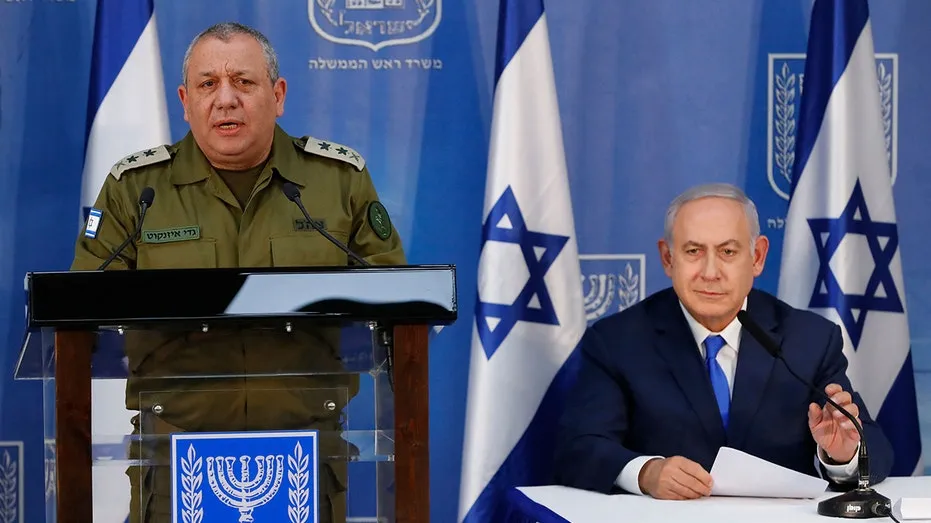
The political landscape in Israel is currently navigating a profound and deeply personal paradox. Gadi Eisenkot enters the electoral fray not as a typical career politician. He is a battle-scarred military veteran carrying immense personal grief. His son, Gal, was killed in action in December 2023. The loss of his two nephews in the same conflict further complicates his emotional standing. This tragic loss resonates deeply with a nation still reeling from the October 7 attacks. This personal tragedy does not automatically translate into political immunity. Voters must weigh his profound personal sacrifice. They also face the heavy institutional responsibilities he carried as IDF Chief of Staff. The election will test whether the electorate seeks a national healer or a strategic executor.
Gadi Eisenkot’s biography reads like a classic Israeli success story, rooted in his Mizrahi heritage. Born in Tiberias to a Jewish-Moroccan family, he later settled in Eilat. He climbed the military ranks through the elite Golani Brigade. His appointment as IDF Chief of Staff from 2015 to 2019 was preceded by a remarkable act of modesty. He initially declined the post, believing Benny Gantz was more deserving. Now, leading the centrist Yashar party, polls indicate a narrow lead over Netanyahu’s Likud. To secure the premiership, Eisenkot must navigate the complex arithmetic of coalition building. He aims for the crucial 61-seat majority required to form a government. If successful, he would become the first Prime Minister of Moroccan origin in Israeli history.
The aftermath of the October 7 Hamas invasion pulled Eisenkot into Netanyahu’s war cabinet. He served as a minister without portfolio. He served for eight months before resigning. He cited the prime minister’s failure to outline a comprehensive strategy. This resignation highlights the deep divisions within the security establishment. Military historian Danny Orbach argues that Eisenkot shares significant responsibility. This includes the intelligence failures and the flawed conceptzia. It treated Hamas as an entity manageable through economic incentives. Critics point to his role in reducing the army’s size. They view him not as a political savior. He is simply the convenient default non-Bibi alternative. This background makes his political rise a subject of intense debate.
Eisenkot’s potential victory would break a historical demographic barrier. He would be the first Moroccan-born Israeli Prime Minister since 1948. This displaces the long dominant Ashkenazi elite. This cultural shift aligns with the desire to sideline controversial figures. Itamar Ben-Gvir’s rhetoric has damaged Israel’s international standing. An Eisenkot administration is expected to prioritize repairing bilateral ties. This is especially true with Washington. Analysts doubt his political resolve to firmly resist external pressures. Backed by his wife Hannah’s American connections, he represents a bridge. He also holds the Legion of Merit from General Joseph Dunford. This links military discipline to global diplomacy. It offers a stabilizing contrast to the current political climate. This image of disciplined leadership could appeal to voters seeking stability.
Behind the scenes, supporters highlight Eisenkot’s operational achievements against Hezbollah. They point to the discovery of cross-border tunnels. These tunnels caused significant strategic setbacks for the Lebanese entity. Analyst Nadav Eyal credits him as one of Israel’s most capable military leaders. He argues that running the IDF prepares a man for the highest office. However, the electoral system rarely delivers a clear winner on election night. The intricate dance of coalition negotiations will determine if Yashar can assemble the necessary 61 seats. This forces Eisenkot to negotiate with parties far outside his centrist comfort zone. Without a clear majority, the bargaining process will stretch for days, testing every strategic alliance. The final coalition math remains the ultimate arbiter of his political future.
Ultimately, the election will come down to whether voters trust a disciplined military leader to navigate the brutal realities of coalition politics, or if they simply crave a clean break from the status quo.