(SeaPRwire) –
By: Julian Holbrooke
Marco Rubio’s X post offering US support for Colombia after this week’s 7.4 magnitude earthquake reads like standard diplomatic courtesy on the surface. Anyone who has tracked US policy in the Andean region for the past decade knows better. These offers of disaster relief never come without unwritten strings attached. The timing of the quake could not be more convenient for the Trump administration’s stalled Latin America trade and security agenda. Colombian officials were set to vote on a series of US agricultural import tariff cuts as early as next week before the disaster hit.
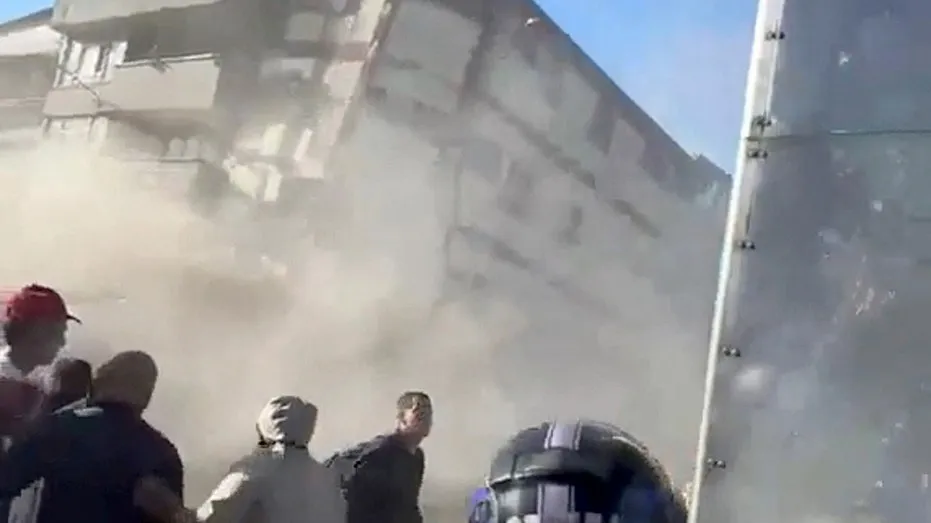
The official details of the disaster are grim, and entirely undisputed. The quake struck at 7:34 local time Monday at a depth of 96 km, with an epicenter near San Jose del Palmar in Choco province. Colombia’s geological service confirmed the 7.4 magnitude, and US officials ruled out any tsunami threat for coastal areas. At least 73 people have been confirmed dead so far, with the toll expected to rise rapidly. Pereira, in the country’s coffee-growing region, reported 18 fatalities, the highest of any single city. WATCH: COLOMBIA EARTHQUAKE VICTIMS FLEE IN TERROR AS DEBRIS FALLS FROM BUILDING: Viral footage circulating on social media shows a multi-story building crumbling mid-quake, with onlookers screaming as the structure collapses entirely. Three people died in Manizales, and one more was killed in the Pacific port city of Buenaventura.
Rubio’s public statement makes no mention of any preconditions for US support, but the subtext is impossible to miss. The Trump administration has spent months lobbying for expanded US military access to Colombian Pacific ports, Buenaventura chief among them. The quake was felt as far as the Venezuelan border states of Tachira and Barquisimeto, a country still reeling from twin June earthquakes that killed more than 6,000 people. US officials have repeatedly used disaster aid in the region as leverage to pressure neighboring governments to isolate the Maduro regime in Caracas. Cali, one of Colombia’s largest cities, has already requested additional rescue support from Bogota and Medellin, with 25 collapsed structures and multiple people still trapped under rubble. Six regional airports have suspended flights while inspectors check for structural damage, slowing domestic rescue efforts and leaving the country more reliant on external support. Rubio’s post also directed US citizens in Colombia to enroll in the STEP State Department program and follow updates from the US Embassy in Bogota, a standard protocol that doubles as a pre-deployment check for US personnel on the ground.
Any US aid package approved for Colombia in the coming weeks will tie recovery funds directly to concessions on port access and regional security pacts targeting Venezuela.
Author bio: Julian Holbrooke, an international relations analyst with 15 years of Andean region policy research, frequent contributor to major European daily newspapers.