
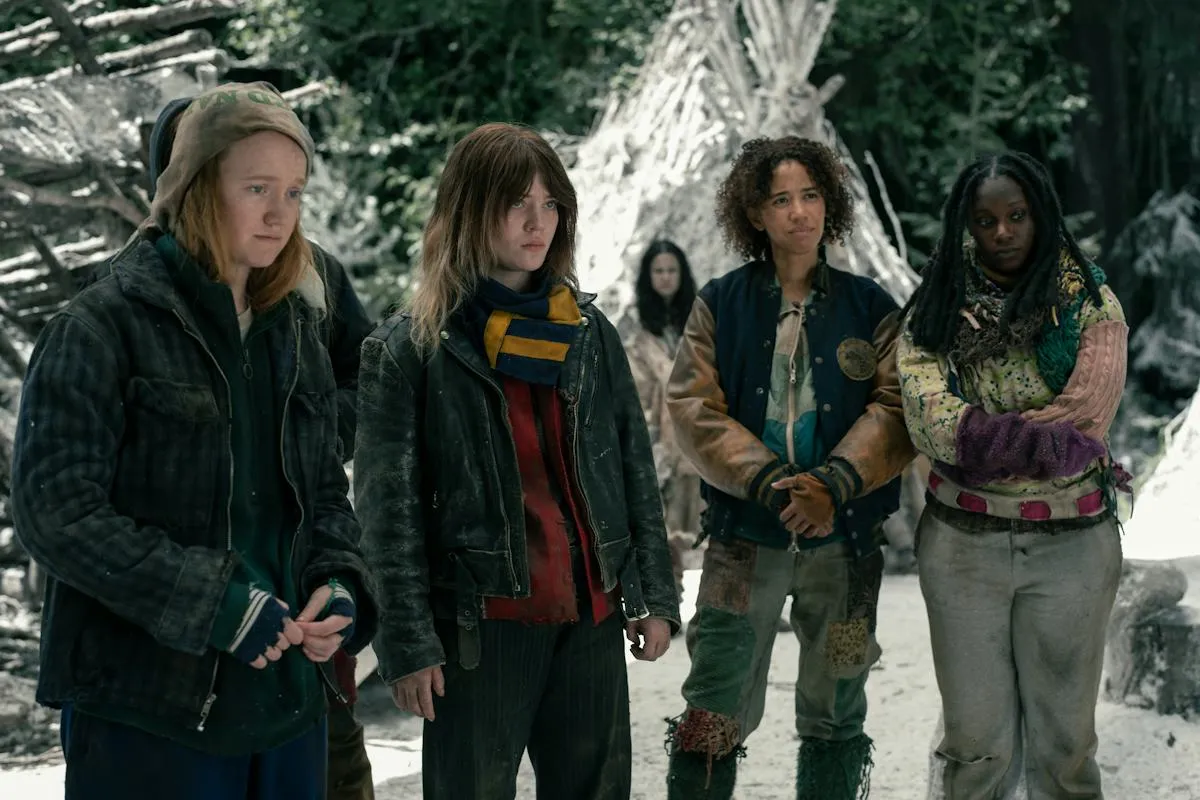
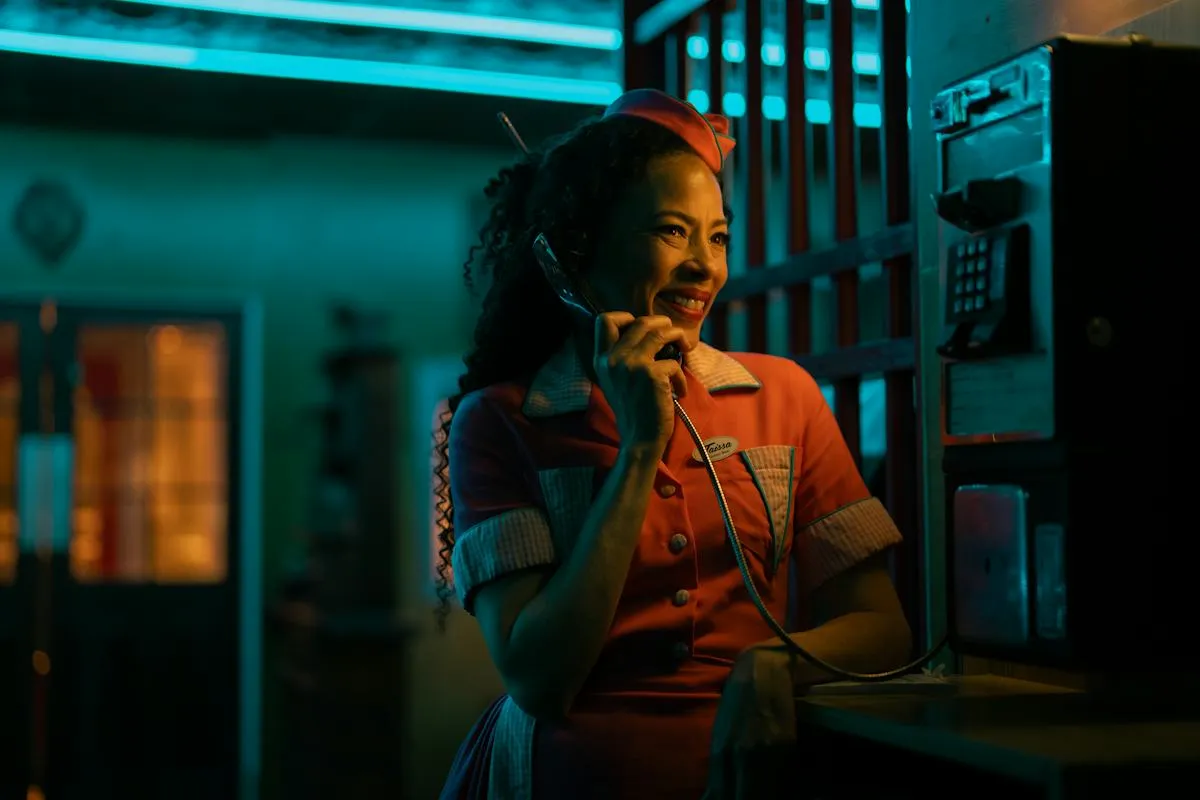
(SeaPRwire) – The real metric is subscriber retention. Yellowjackets has played a masterclass game of slow-burn audience acquisition. It slowly amassed a word-of-mouth following starting in 2021. It quickly became a major television talking point. Showrunners Ashley Lyle and Bart Nickerson envisioned a five-year runway. Now, Season 4 premieres Friday, November 20 on Paramount+ with Showtime. The platform is cashing in on that strategy. The core tension lies in how the narrative transition keeps subscribers engaged. The mystery box format demands constant engagement. The return home acts as the ultimate test of that loyalty.
The production mechanics of this season are staggering. The margin decay risks are highly palpable. Season 4 expands the narrative to three distinct timelines. We see life before, during, and after the rescue. Sharing three massive storylines across a short season is highly expensive. The show leans heavily into surreal mythology and murderous feminine rage. This high-cost content model is incredibly risky. It demands massive subscriber conversion to survive. If the narrative density fails, the platform faces severe margin decay. The financial stakes are extremely high for the network.
The structural complexity represents a classic trade-off. Establishing the wilderness backstory requires elaborate set designs. Managing the present-day survivor dynamics requires a huge cast. Characters like Melissa add layers of complexity. She faked her own disappearance and lived under a pseudonym. This multi-threaded approach is very expensive. It is necessary to keep subscription bid mechanics working. The platform must balance these high costs carefully. It needs to secure long-term subscriber loyalty. Without this quality, the value proposition collapses. The entire production model depends on sustained viewer interest.
In terms of distribution lock-ins, Yellowjackets is a weaponized asset. It helps Paramount+ combat modern anti-steering trends. The show’s greatest strength is its highly distinct identity. In this final chapter, all the stops are pulled out. The platform weaves present trauma with past secrets. This creates strong narrative gravity. Viewers cannot easily switch platforms mid-season. They need to see how the collective secret unfolds. The comparison to landmark mystery shows like Lost serves as a powerful hook. It attracts premium subscribers seeking high-quality, immersive storytelling.
The integration of present-day survivors creates a formidable distribution moat. Shauna is trying to piece her life back together. Her story connects directly to the pre-rescue timeline. This dual-timeline structure is a powerful lock-in mechanism. It forces continuous subscription renewals to access the full picture. Surreal dream sequences act as high-value content hooks. They elevate the show above standard algorithmic recommendations. The platform secures long-term viewer engagement through this elite content. It keeps users from cutting the cord. The financial payoff justifies the massive narrative investment.
If the final two episodes of Yellowjackets fail to land the plane of this elaborate, multi-year mystery box narrative, the massive subscriber retention built on surreal tension will instantly evaporate, leaving Paramount+ with a costly, unresolved asset that accelerates platform decay, turns what should be a landmark victory into a cautionary tale of narrative bankruptcy, severely undermines the long-term valuation of the streaming division, and ultimately forces the parent company to write down its premium content portfolio at a massive financial loss.