
(SeaPRwire) – By: Christian Pierce
Halloween Horror Nights exists in a peculiar commercial tension. It must capture the cultural urgency of a film’s release window, then convert that energy into months of ticket sales. The formula works until it doesn’t. When a horror property becomes a cultural phenomenon, the race to secure IP rights triggers a quiet arms race among park operators. The real question isn’t whether Universal will land the next breakout hit. It’s whether the strategy is sustainable when every studio has figured out the playbook.
The data speaks for itself. Universal’s Halloween Horror Nights has operated since 1995, first partnering with the Crypt Keeper from Tales from the Crypt. The 2017 milestone brought Freddy Krueger, Jason Voorhees, and Leatherface into the mix. Michael Myers followed. The Xenomorph and Predator appeared. A Resident Evil-themed haunted house was added. Sinners joined an exclusive club alongside The Exorcist as one of only two Oscar-winning films to receive an HHN attraction. Art the Clown from Terrifier now shares the grounds with Michael Myers, proof that a relatively recent franchise can climb the hierarchy fast. And now Nikki from Obsession, the simultaneous victim and monster of this year’s breakout horror hit, will appear at HHN starting at the end of August. Indie Navarrette, the actress behind Nikki, publicly told Cosmopolitan earlier this year she’d be willing to return for the role if Universal made it happen.
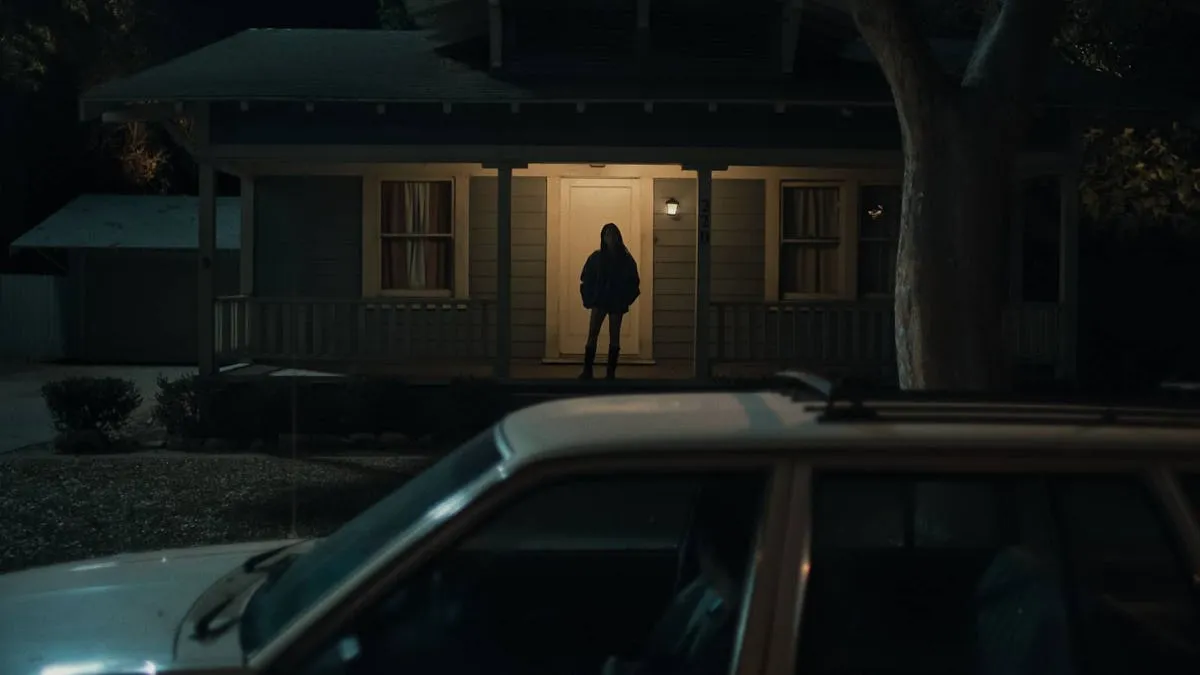
The commercial loop is straightforward and brutally efficient. HHN doesn’t need to build a full-scale haunted house around Obsession. Nikki functions as a roaming character, dressed in blood and Sarah’s tattoos, wearing the stolen black dress from the film’s climax. The operational model mirrors a nightmare inversion of the Disney World concept, where characters circulate and surprise rather than anchoring entire environments. This approach reduces build costs while maximizing media cycles. A roaming character generates Instagram posts, TikTok clips, and press coverage without the capital expenditure of a fully realized attraction. The film also hasn’t received its own house, a deliberate choice that preserves narrative mystery and lets the character’s reputation do the heavy lifting. The uncomfortable framing of Nikki remains a real issue. She’s a young woman whose bodily autonomy is stolen, cursed to enact the “crazy girlfriend” behavior the movie critiques. Universal’s own press material frames her as still a victim of a curse. The horror genre’s long history of transforming victimhood into monstrousness isn’t lost on critics. But HHN’s mandate is attendance revenue, not thematic engagement. The strategy has worked for three decades because it understands that fear is a consumable product and timing is the only real currency.
The endgame for theme park horror licensing is becoming clear. Properties cycle faster now. A film like Obsession, eight months into its release, already has a confirmed attraction. The gap between cultural moment and commercial deployment has shrunk to almost nothing. Studios that once relied on theatrical run revenue now negotiate IP licensing as part of the broader franchise play. Universal’s model rewards speed over depth. The question for competitors isn’t whether they can replicate this approach. It’s whether the market can sustain the current velocity when every IP holder learns to extract maximum licensing value from the same limited Halloween window.
Author bio: Christian Pierce is a chief financial columnist and markets commentator covering the intersection of entertainment, hospitality, and IP licensing economics.