(SeaPRwire) – The 80s slasher films you remember now look almost wholesome. Freddy Krueger, Michael Myers, Jason Voorhees — these franchises operated on a strict moral code. No drinking. No drugs. No sex outside marriage. The Final Girl survived because she stayed pure. Carol J. Clover nailed this pattern in her book Men, Women, and Chainsaws. The violence may have been gory, but the worldview was deeply conservative.
Then came Clive Barker’s Hellraiser in 1987. It did something radically different. Instead of punishing sexual transgression with death, Barker explored the raw connection between violence and eroticism. This wasn’t a new theme for the writer. He had been thinking about it for years. The film became a cult classic precisely because it refused to judge its characters the way every other horror movie did.
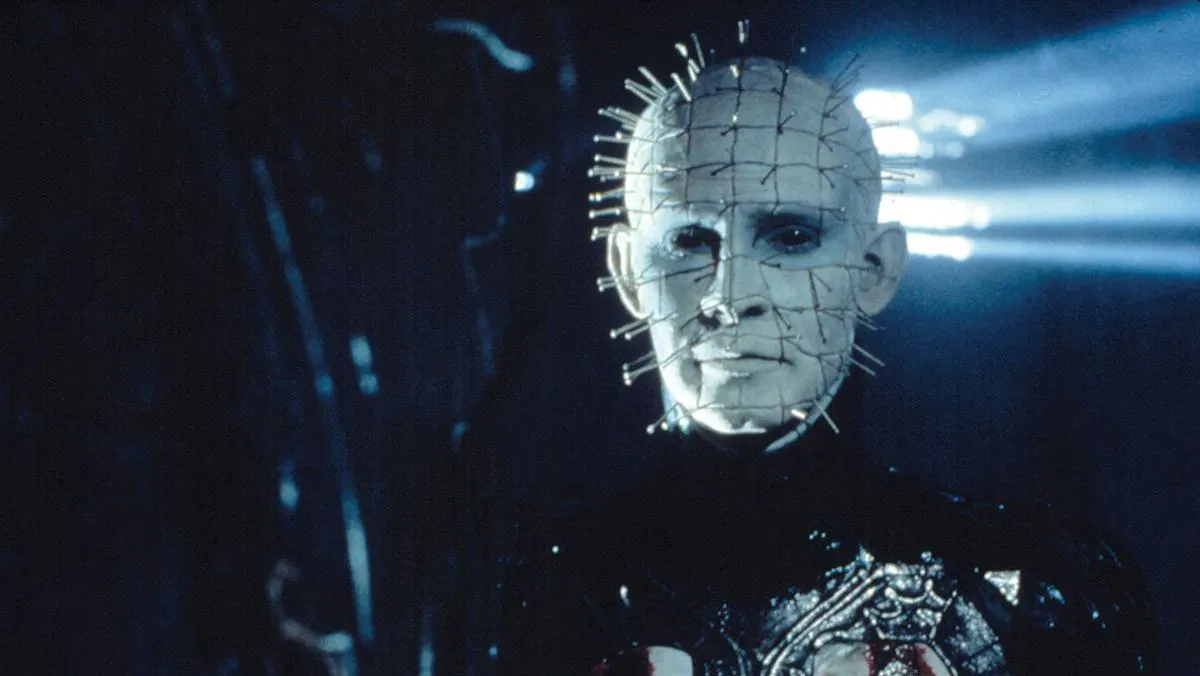
The Cenobites came directly from Barker’s own life experiences. During the late 1970s, he worked as a hustler in New York to make ends meet. That’s where he first visited leather fetish clubs. Cellblock 28 was one of those venues. He saw erotic piercing for the first time there. The visual design of the Cenobites and their entire philosophy — pain and pleasure as one and the same — came from that world.
But Hellraiser isn’t really a monster movie. The real horror sits at the center of the Cotton family. Larry (Andrew Robinson) and Julia (Clare Higgins) just got married. They move back to his childhood home to save their cold relationship. Meanwhile, Julia is hiding a secret. Days after their wedding, she had an affair with Larry’s brother Frank. Frank turned to the Lament Configuration puzzle box expecting ultimate pleasure. The Cenobites found him instead. His body was torn apart and his soul dragged to their dimension.
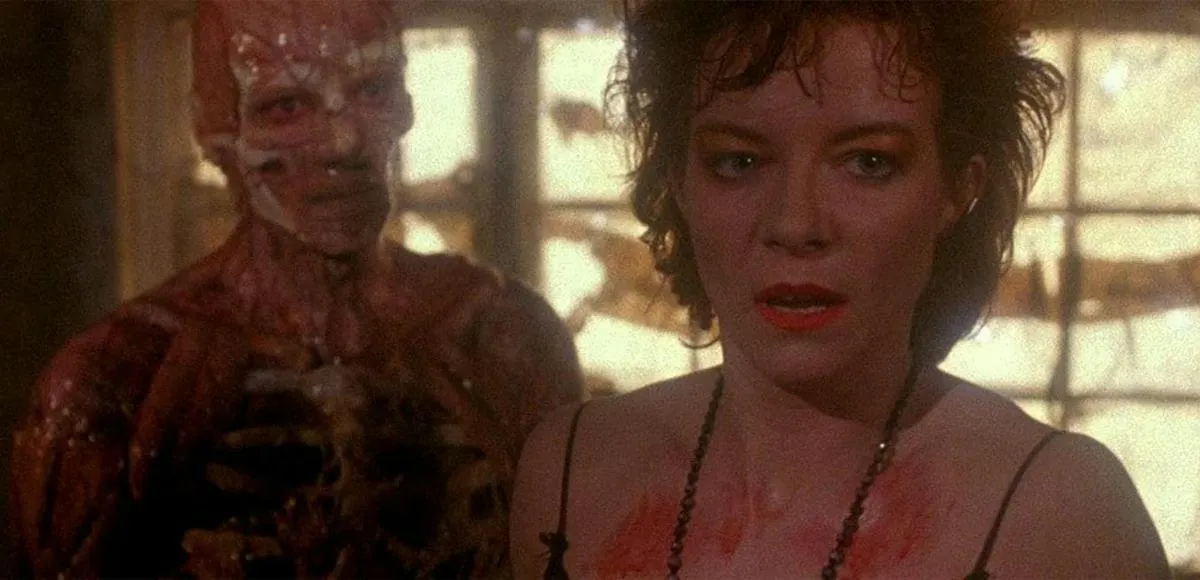
When Frank’s remains surface in the attic, the film delivers one of the most unsettling practical effects sequences of the decade. Blood from Larry’s cut hand mixes with Frank’s old blood. Slime burbles from the bones. A skeletal frame forms. Organs grow. Flesh stretches thin across the reassembling body. But Frank needs more blood. He is incomplete. Julia agrees to help him, hunting men for him to feed on. Clare Higgins plays her with such layered complexity — a frigid wife to Larry, a fairy-tale stepmother threat to Larry’s daughter Kirsty (Ashley Laurence) — that you understand her desperation even as her actions become monstrous.
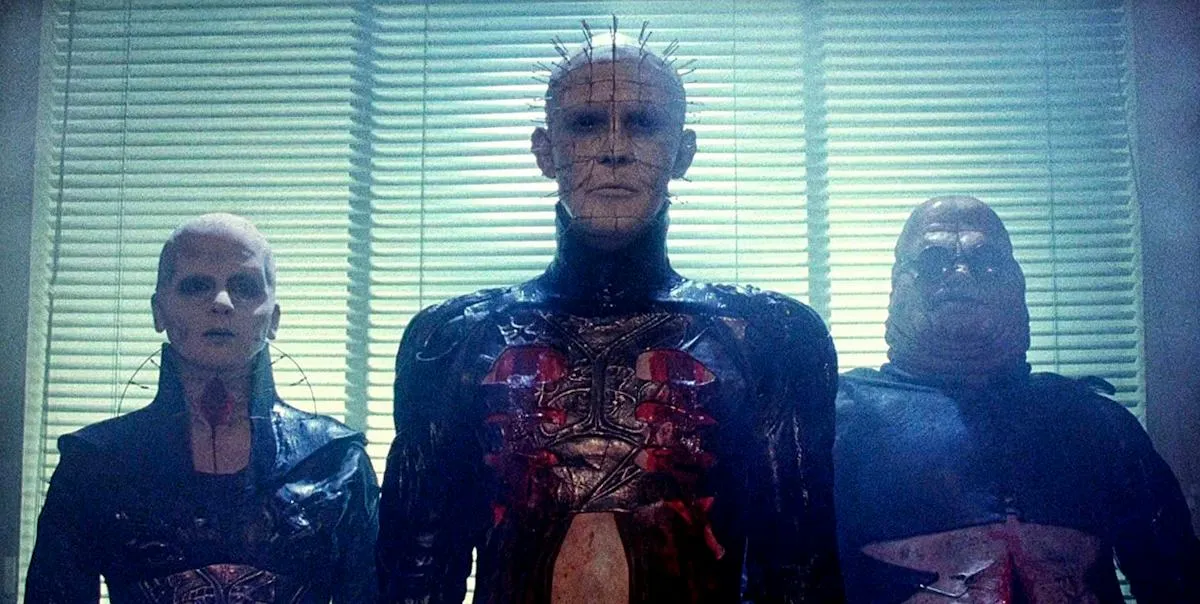
Barker once said he was fascinated by what a woman would do for a good lover. Julia is the extreme of repressed desire exploding outward. Frank is the extreme of unchecked desire consuming itself. The Cenobites exist somewhere between them. Pinhead, Chatterer, Butterball, and the Female Cenobite — now called Mother Superior in a Boom! Studios comic — were all human once. They chose their new forms. SFX artist Bob Keen designed them with scars showing every act of torture they eagerly pursued. They are grotesque and beautiful at the same time.
The first film stands alone in the franchise. Sequels followed, but none matched its vision. The original rejected the moral logic of 80s horror entirely. It treated sensuality as human nature rather than something to be punished. It flipped the good-and-evil scale so that repression was the true horror.
Barker directed only a few films after Hellraiser. He didn’t need to direct many. Nearly 40 years later, the film still feels dangerous. Modern horror has largely abandoned eroticism. Audiences might open the puzzle box again on Pluto TV. But the question Barker posed remains as provocative as ever — and most studios are too afraid to answer it.