
(SeaPRwire) –
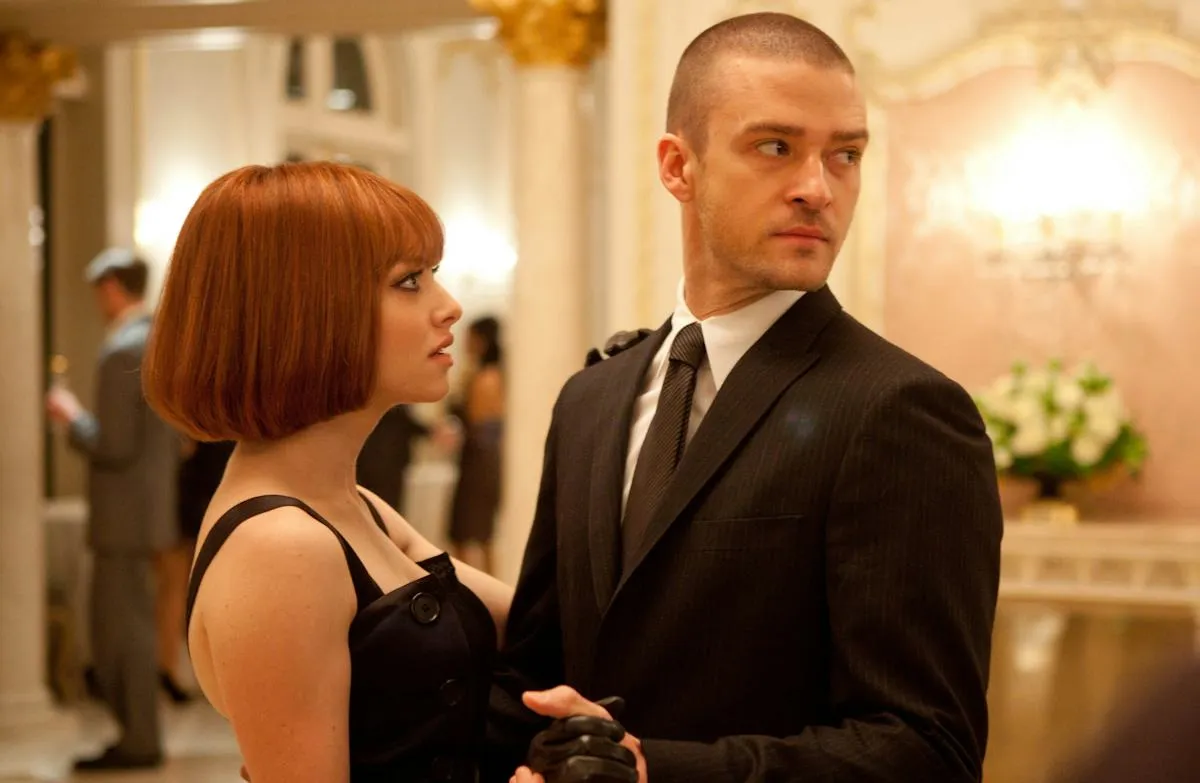
Andrew Niccol released a movie in 2011 that asked one of the sharpest questions of its decade. Time is money, the premise ran, and if that were literally true, everyone would know exactly how brutal the system actually is. Poor people burn through every hour trying to survive. The rich hoard decades like dragons sitting on gold. The film dropped into theaters and audiences were supposed to feel the sting. They didn’t, mostly because the execution couldn’t carry the weight of the idea.
The film’s timing was either brilliant or catastrophic depending on how you measure it. It premiered in October 2011, right when the Occupy Wall Street encampment was taking shape at New York’s Zuccotti Park. A generation was suddenly articulating the same rage Niccol had dramatized on screen. The vocabulary of class resentment was entering mainstream discourse for the first time in decades. The film should have ridden that wave. It couldn’t, because Niccol himself was tangled in his own cleverness. Daytime became a region called Dayton. Police officers were dubbed Timekeepers. The wordplay grew so self-congratulatory it suffocated the very critique it was trying to make.
The cast alone signals an industry in flux. Philip Winchester and Matt Bomer were rising television leads crossing over into film. Amanda Seyfried and Olivia Wilde had yet to find their footing. Justin Timberlake at the peak of his pop moment was supposed to convince us he was a working-class factory laborer with something to prove. He couldn’t shed the swagger and the script never trusted him to try. This was peak Hollywood believing music stars could become serious actors. The industry would spend the next decade learning that assumption wrong.
The film stumbled narratively the moment Will Salas inherited Henry Hamilton’s time stash. Social mobility was supposed to be the promise. The movie showed it was a lie. Wealth in New Greenwich wasn’t an entrance ticket. It was a fortress designed to keep people out. Philippe Weis and his circle never accepted Will regardless of the hours glowing on his arm. This is the exact insight that made the film suddenly relevant fifteen years later, when the conversation around economic stratification finally caught up to what Niccol was attempting.
The streaming landscape has given the film a second life on Prime Video. That matters because the ideas finally have an audience ready to receive them. A new generation watching it in 2026 brings a vocabulary the 2011 audience lacked. The concept of a time tax, as Annie Lowrey framed it in The Atlantic, gives the metaphor concrete language it never had upon release. Studios should take note that a flawed film about inequality can become culturally essential once the culture catches up.
A proper remake exists as an open door. The question isn’t whether the premise deserves another try. It’s whether anyone in charge will recognize that the timing finally aligns. The market has been waiting for this movie to arrive at the right moment. Fifteen years passed. The question now is who will be brave enough to do it right.