(SeaPRwire) –
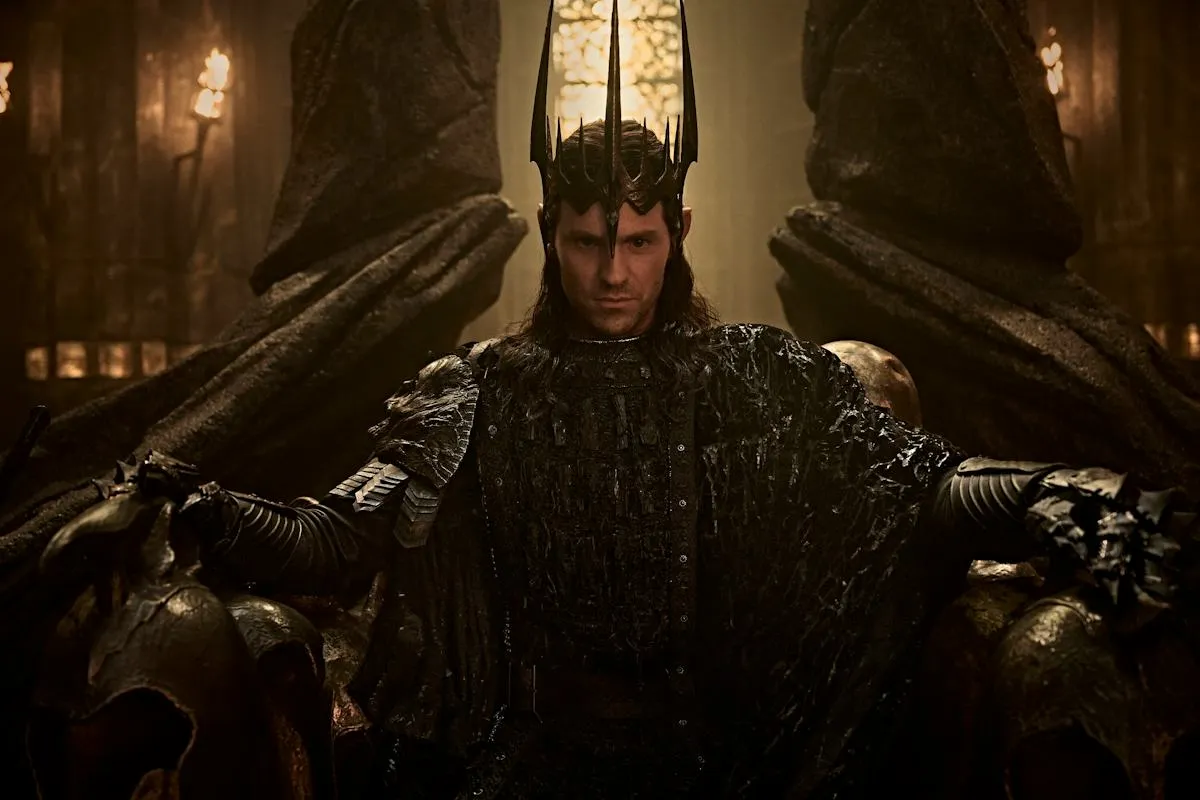
The marketing team at Amazon Prime Video is walking a tightrope. They released a new trailer for *The Rings of Power* Season 3. The headline focus is the forging of the One Ring. This is the singular moment that anchors the entire Second Age narrative. For seventy-two years, viewers have waited for this visual representation. The wait is finally ending. But the context of this reveal matters more than the spectacle. The series was panned for its creative liberties. It drifted far from Tolkien’s lore in its early seasons. By finally returning to the core canon, Amazon is admitting that its previous narrative experiments failed. The prequel has been a financial black hole for years. This pivot to safety is a survival tactic, not an artistic breakthrough.
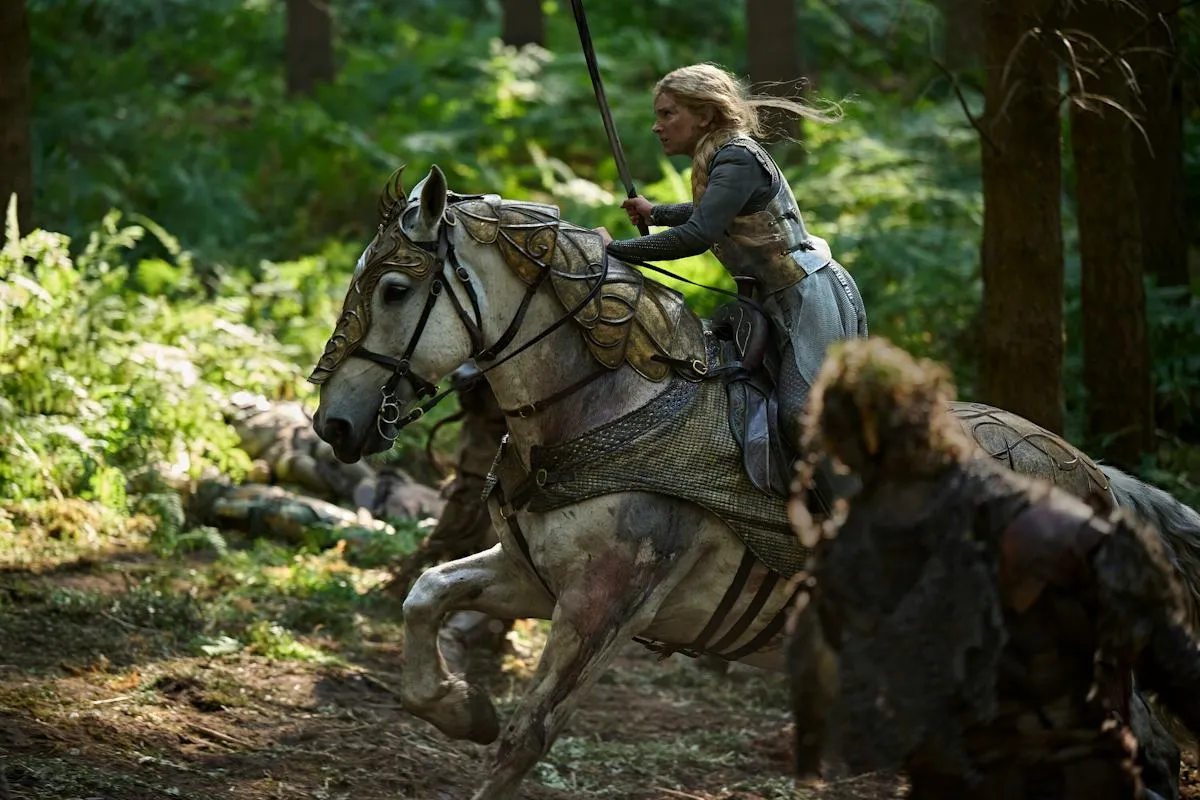
Let’s look at the raw facts from the announcement. The release date is fixed for November 11, 2026. The trailer highlights Galadriel’s psychic link to Sauron. This is a detail unique to the show, not the books. It shows they are still clinging to their previous character dynamics. However, the broader plot is now mirroring *The Hobbit* and *The Fellowship of the Ring* backstory. We see the first major war against Sauron. It features an alliance between Elves, Dwarves, and Men. This is the exact historical setup from the source material. The show is no longer inventing history; it is reciting it. The gap between the two is where the criticism has lived for two seasons.
The industry subtext here is clear. Audiences are fatigued. The first two seasons broke the rules of the beloved franchise. They changed the timeline and the character ages. Fans pushed back hard. Amazon is now retreating to the most recognizable parts of the lore. Showing the One Ring being forged is a safe bet. It is the “biggest moment” in Tolkien’s work. By doing this, they ensure the final season will be accepted. They are stripping away the risky, unique elements that defined the show. The psychic connection remains because it drives the current cast. But the war is standard. This is a compromise designed to minimize backlash. It signals that the studio prioritizes completion over creative consistency.
The landscape of big-budget fantasy adaptations is shrinking. Viewers no longer buy into “new” lore if it contradicts the source. They want the familiar. Amazon is betting that nostalgia outweighs the desire for innovation. They are playing it safe because they cannot afford another scandal. The end result is a series that is less a standalone work and more a visual supplement to the films. The supply chain for prestige fantasy content is demanding continuity, not disruption. Amazon finally got the memo. It arrived late, but it arrived. The era of reckless prequels is over.