(SeaPRwire) –
The entertainment industry has a quiet anxiety it rarely admits out loud: prestige television peaked years ago, and nobody has matched it since. You see it every time a new space franchise debuts with a hundred-million-dollar budget and a battle sequence that evaporates from memory within a week. Twenty years after “Exodus, Part 2” aired on October 20, 2006, the rebooted Battlestar Galactica still holds the crown for the single most audacious starship sequence ever broadcast. That is not nostalgia talking. That is an indictment. The show debuted on Syfy in 2003, back when the network was still called The Sci-Fi Channel for most of the series’ run, and by 2026 it no longer needs the “reimagined” qualifier. The 1978 original remains charming, but collectively this is the version people mean when they say Galactica. The uncomfortable question for the industry is why nothing since has topped a scene built on a cable budget and a very simple idea.
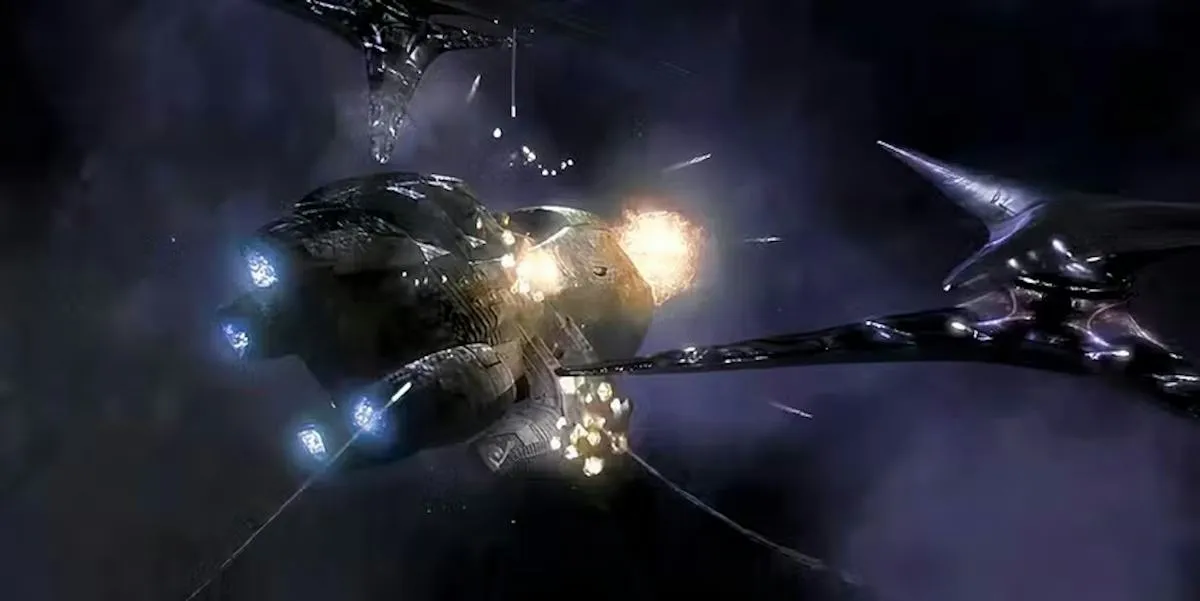
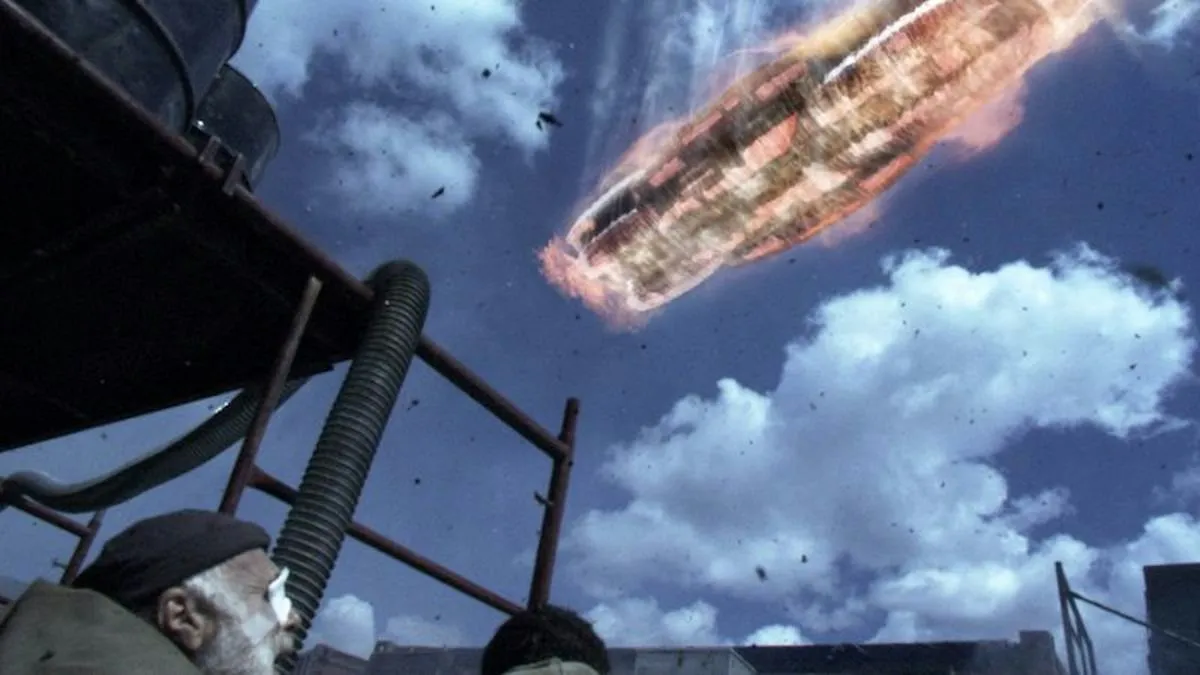
The facts of that episode deserve rigorous restating, because the mechanics are the whole point. The two-part Season 3 opener resolved the New Caprica occupation arc, a grim status quo in which most of the characters lived on a miserable planet under Cylon control. Adama, played by Edward James Olmos, had promised in “Occupation/Precipice,” almost to himself, that “it’s gonna be okay.” “Exodus, Part 2” tested that optimism with a maneuver no other franchise had attempted: he jumped the Galactica directly into the atmosphere. The massive carrier fell like a rock, as Helo, played by Tahmoh Penikett, put it, while Vipers streaked out of the launch tubes to protect the humans scrambling for ships on the ground. Hotdog, played by Bodie Olmos, delivered the perfect deadpan: “Well, this oughta be different.” By the end, humans and Cylons alike had left New Caprica, and the Battlestar Pegasus, picked up in Season 2, was destroyed. Director Félix Enríquez Alcalá earned an Emmy nomination. Writers Bradley Thompson and David Weddle, veterans of Deep Space Nine with Moore who later wrote for For All Mankind, delivered career-best work. The sequence’s naturalism was the trick. There was no technobabble safety net, no Scotty figure to reassure the audience. You genuinely believed the ship might not survive. Compare that to its spiritual sequel, the Holdo Maneuver in The Last Jedi, where a faster-than-light engine became a ramming weapon. Spectacle, yes, but consequence-free. BSG made you worry about the hull.
Now follow the commercial logic to its end-game. Showrunner Ronald D. Moore did not hoard this idea for a finale. He detonated it at the start of a season, and that decision tells you everything about why the show endured and why modern equivalents do not. BSG operated on a simple loop: earn trust with social and political allegory, then pay it off with visceral action that felt dangerous. The episode admittedly set up an uneven run of episodes afterward, and it plays more like a season finale than a premiere, especially by today’s shorter-season standards. But the restraint-free confidence of that choice signaled to viewers that the show had infinite reserves. Streaming-era productions do the opposite. They sand down risk, stretch arcs across seasons, and save the big swing for a finale that may never get renewed. The result is content that streams fine on Pluto TV and Paramount+ but builds no mythology. The industry end-game is already visible: libraries full of expensive, forgotten battle scenes, and one falling Battlestar from 2006 that everyone still remembers. If you make television, study the restraint, the deadpan, and the falling ship. So say we all.