(SeaPRwire) –
Marvel has a problem it will never admit out loud. Tony Stark’s myth is the load-bearing wall of the entire franchise, and it just got quietly repoured. The new series VisionQuest arrives with an awkward implication tucked into Episodes 3 and 4: the genius who built J.A.R.V.I.S., Vision, and Ultron was standing on someone else’s shoulders. Not alien tech. Not the Mind Stone alone. A biotech firm called Markridge, staffed by scientists most viewers have never heard of. For a universe that spent over a decade selling Stark as the singular architect of artificial intelligence, this is not a minor lore adjustment. It is a structural rewrite of the character’s core competency. And the anxiety underneath it is real. When a franchise starts retroactively diluting the genius of its founding hero, it usually signals one thing: the original mythology is exhausted, and the writers’ room is mining side characters and deep-cut references to manufacture fresh narrative surface area. Fans feel this even when they cannot articulate it. The Easter egg discourse around VisionQuest is partly delight. It is also partly discomfort. Retcons this specific rarely exist for their own sake. They exist because the forward story pipeline needs new raw material, and the past is the cheapest place to dig.
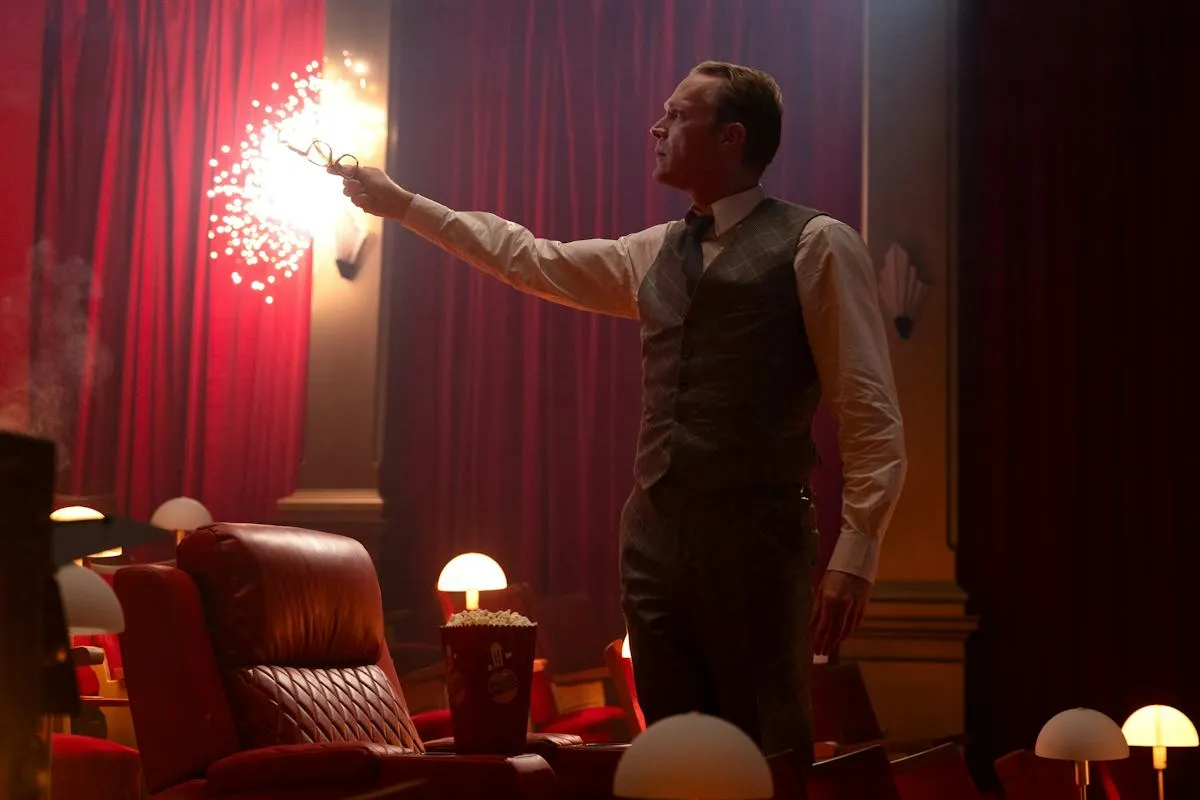
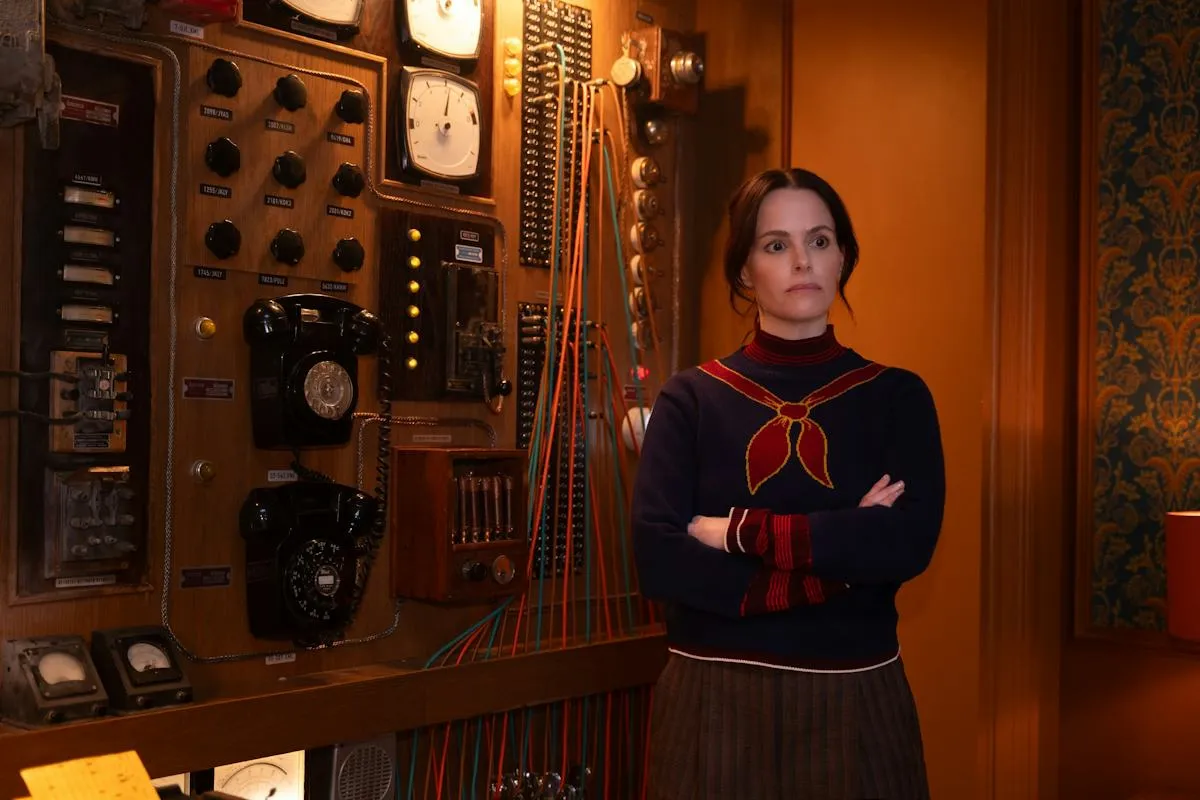
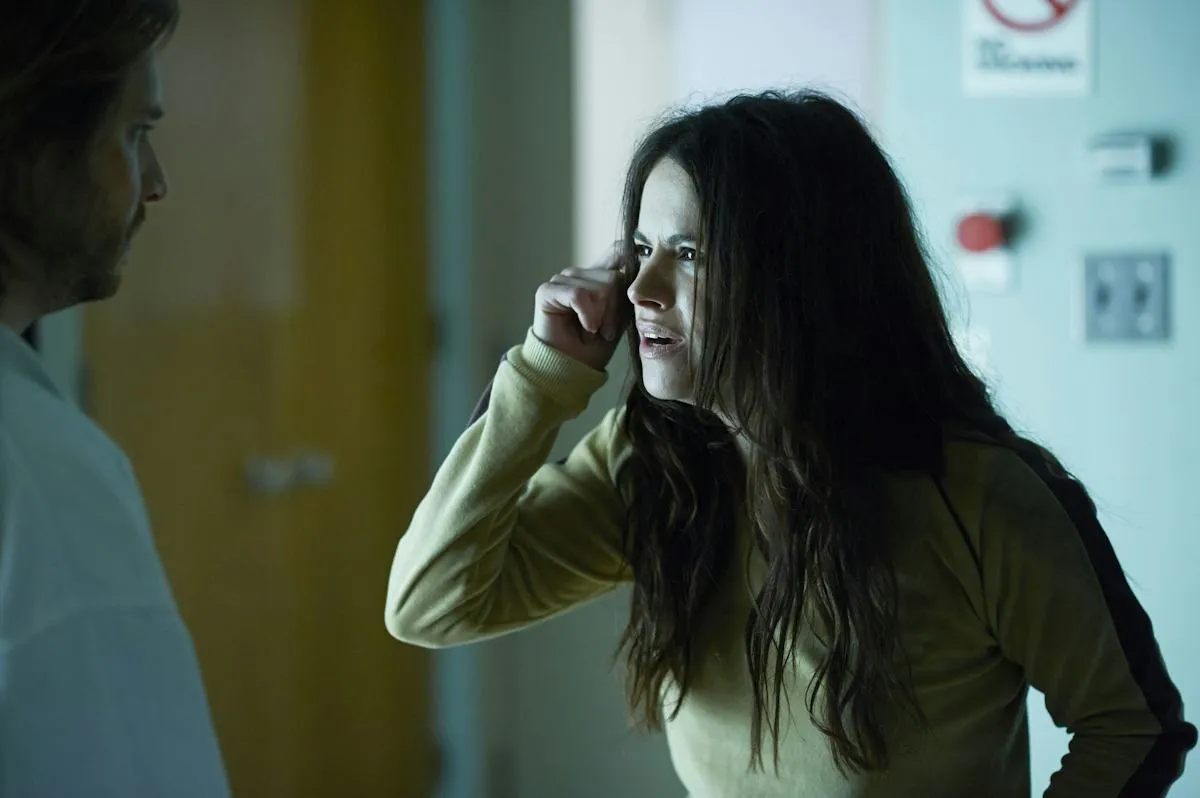
Now the facts, because they matter more than the hand-wringing. Episode 4 of VisionQuest establishes that before the events of Iron Man, and long before Avengers: Age of Ultron, the science firm Markridge employed Katarina Wells, played by Mary McDonnell, and Jo Carrington, played by T’nia Miller. The episode traces the foundation of their work back further, to Dr. Horton, who in Marvel canon created the first mechanical man — the original Human Torch, also known as Jim. The show’s framing is blunt about the lineage. Wells and Carrington created the foundation of the technology. Stark then built his AI work from theirs. The series also rebrands the whole category, calling it “Artificial General Intelligence” rather than plain AI, which is a telling bit of vocabulary inflation for a show about synthetic minds. Vision’s programming now has a documented ancestry. It runs from Horton, through Wells and Carrington, into Stark’s lab. That is the canon change. The Easter egg layer is where showrunner Terry Matalas tips his hand. Markridge is not a random name. In the Syfy series 12 Monkeys, which Matalas co-created, the Markridge Group is the biotech company behind the plague that wipes out most of humanity. Emily Hampshire’s Jennifer Goines was tied to it through her father, CEO Leland Goines. The name also surfaced in Star Trek: Picard Season 2, where “Markridge Tower” appeared in a 21st-century setting. VisionQuest doubles down. Vision and Tommy, played by Ruaridh Mollica, stay at a motel chain called Emerson, a nod to the Emerson Hotel in 12 Monkeys. Katarina Wells reads as a reference to 12 Monkeys‘ time-travel inventor Katarina Jones, played by Barbara Sukowa. Casting Mary McDonnell — President Laura Roslin herself, the woman who fought the Cylons in Battlestar Galactica — stacks yet another science fiction legacy on top. And the precedent for cross-franchise play is older than people think. Marvel Comics published a one-shot in 1998, Second Contact, where the Next Generation crew crossed into the X-Men dimension through time travel. None of this is accidental. Matalas is building a connective tissue across his own career, and he is using Marvel’s budget to do it.
Here is where the commercial loop closes, and where the industry should pay attention. Disney is not in the Easter egg business for nostalgia. Easter eggs are retention engineering. Every named reference — Markridge, Emerson, the Hampshire and Stashwick casting overlap between two series — generates a second-order content economy of explainers, breakdown videos, and rewatches of 12 Monkeys and Picard. That is measurable engagement attached to catalog intellectual property that costs nothing extra to promote. The retcon serves the same function at the story level. By inserting Wells and Carrington beneath Stark, Marvel creates new period-piece characters who can carry spinoffs without paying Downey-era money or depending on legacy actors. The endgame is visible if you watch the structure rather than the lore. Marvel is converting its flat, hero-centric timeline into a layered institutional history, where companies, labs, and forgotten scientists become renewable IP wells. Expect the next phase of Disney+ shows to lean harder into prequel archaeology, because that is where undervalued narrative real estate sits. The risk is obvious too. Every layer inserted beneath a beloved hero dilutes the myth that made the franchise valuable. If Vision’s origin keeps accreting progenitors, the character becomes a committee product — which is, fittingly, exactly what the show is arguing happened to his code. Watch the next two Marvel series for more retroactive institutions. When you see one, you will know the model has been locked in.