(SeaPRwire) –
By: Logan Pierce
Alejandro Amenábar’s The Others wasn’t just a 2001 horror hit—it was a cultural time capsule. Released one month before 9/11, this moody Spanish film became the highest-grossing of its kind, but its real power lies in how it captured a moment of impending upheaval. It redefined afterlife narratives for an audience about to face unprecedented collective grief.
Set in 1945, the story centers on Grace Stewart (Nicole Kidman) and her photosensitive children in a foggy mansion. Their servants disappear abruptly; new ones arrive. Anne, the daughter, claims unseen intruders live there. The twist? Grace and her kids are dead—she smothered them in a breakdown, and the intruders are the living house owners.
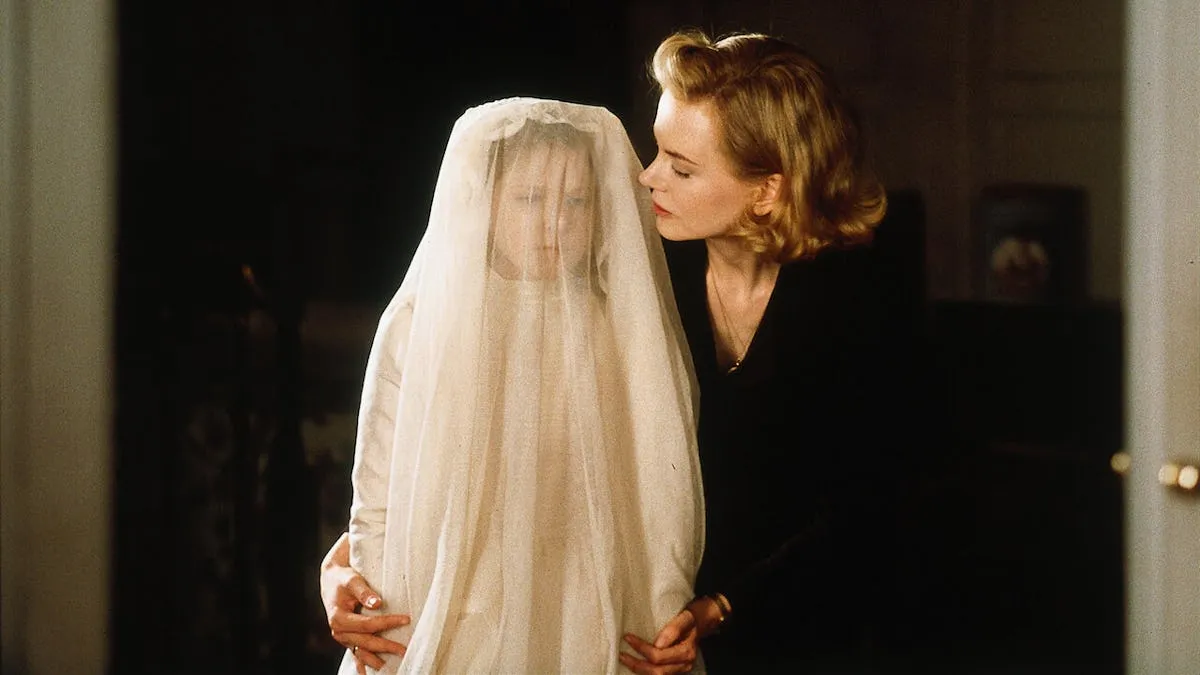
Critics lauded its atmospheric tension, and it climbed to number two at the box office. Its timing is critical: it hit theaters weeks before 9/11 altered media’s approach to mortality. The film’s post-mortem photo subplot contrasts sharply with the flood of memorials that would soon blanket the U.S.
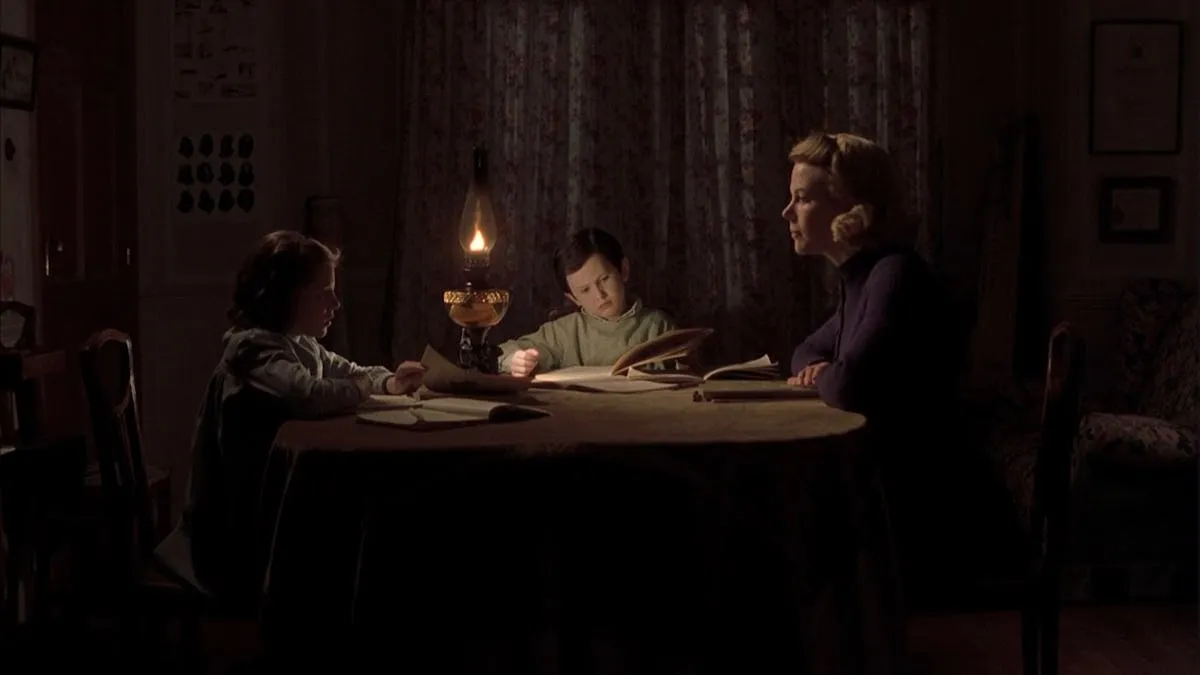
Horror in the early 2000s was shifting from slashers to psychological tales like The Sixth Sense. The Others built on that twist trend but added existential comfort. Its depiction of Limbo—where the dead live without pain, just quiet isolation—resonated with viewers on the brink of real-world loss.
The film’s ambiguous take on religion stood out. Grace’s devoutness clashed with Anne’s pragmatism, avoiding the black-and-white narratives of the post-9/11 religious right. Instead, it offered a hopeful afterlife: no damnation, no Eden, just a chance to redo what was broken.
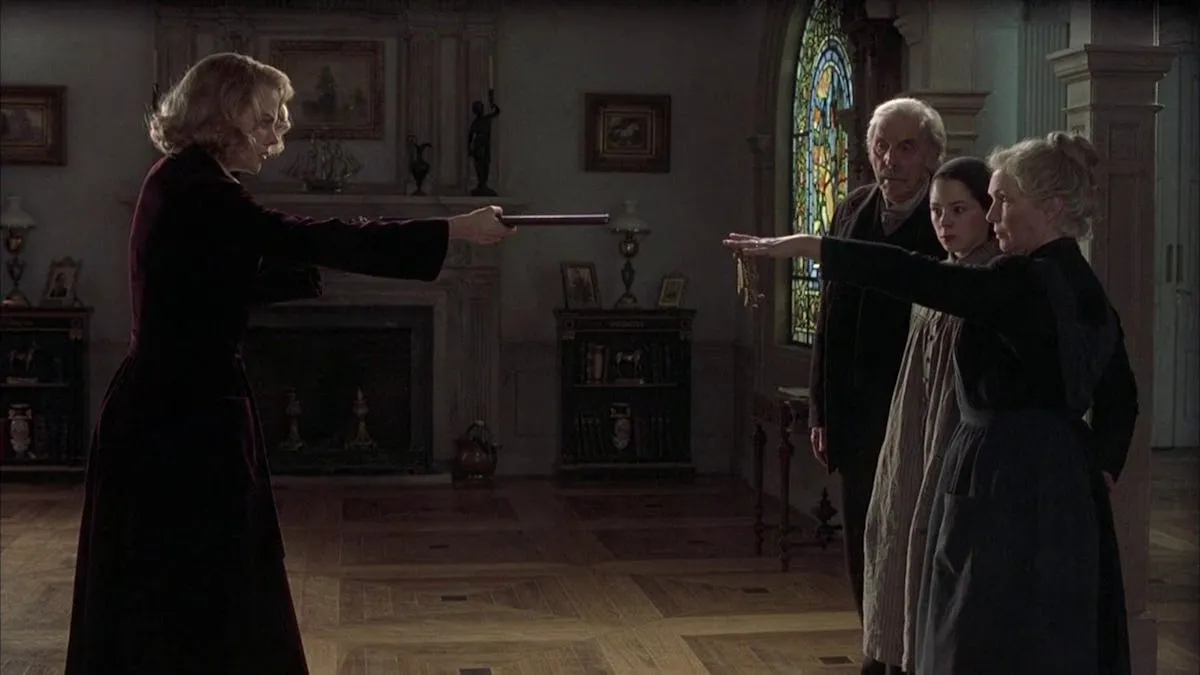
As audiences grapple with ongoing collective trauma, The Others’ quiet, empathetic approach to mortality will become a blueprint for future horror storytelling.
Author bio: Logan Pierce, an independent business researcher exploring media’s intersection with cultural shifts and corporate governance trends.