
(SeaPRwire) –
The MCU has spent eighteen years obsessing over its own mythos, but *VisionQuest* just pulled a rabbit out of a hat that no one saw coming. The core anxiety here isn’t about whether the new show works. It’s about whether Marvel can still shock us with continuity that feels earned rather than algorithmically generated. When Raza al-Wazar reappears, it’s not just a cameo. It’s a structural reset. The industry assumes these franchises are dying from repetition. This moment proves the opposite. The connection is visceral. It links the 2008 origin story directly to the 2026 present.
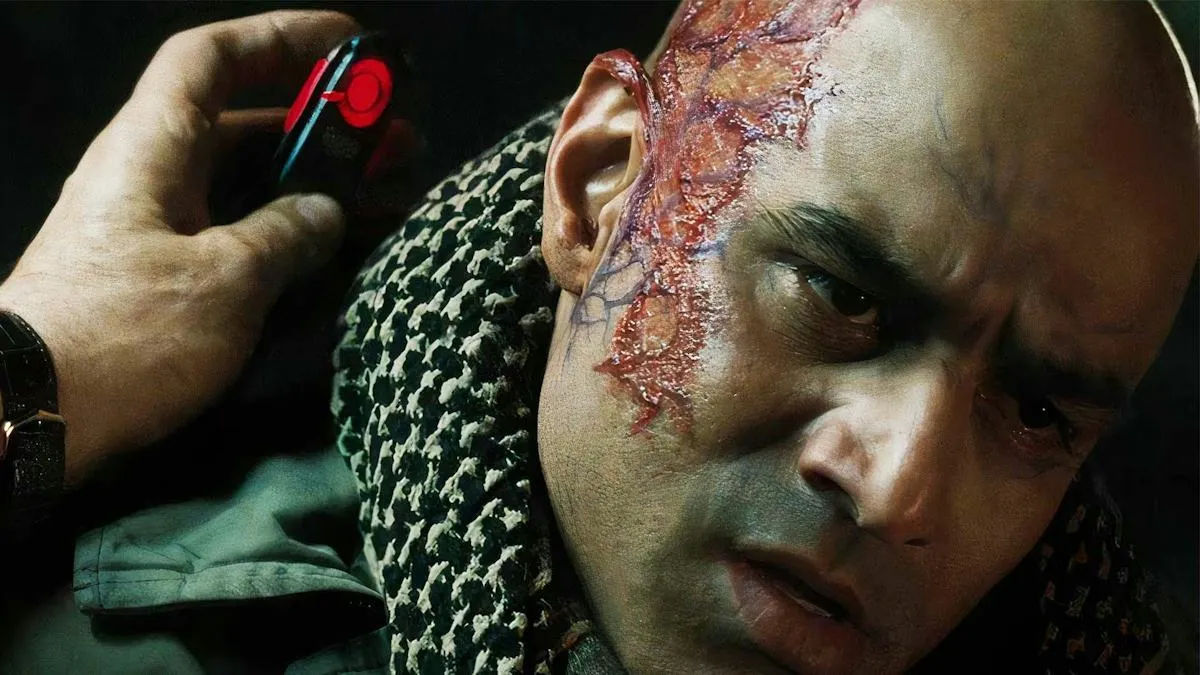
Let’s look at the raw facts. In *VisionQuest* Episode 6, Faran Tahir returns as Raza. This is the same actor who played the Ten Rings leader in *Iron Man* (2008). The timeline holds up. In the original film, Obadiah Stane betrayed Raza, leaving him for dead. *Shang-Chi* retroactively clarified Raza’s survival. Now, Raza is operating out of Madripoor, hunting Vision. This isn’t random filler. It’s a direct thread from the cave where Tony Stark built his first suit to the current arc of the Vision.
Here is where the subtext gets heavy. The press release hints at a “Terry Matalas multiverse.” That’s a clumsy term. Let’s call it what it is: a talent pipeline that doubles as a continuity engine. Matalas brought in Todd Stashwick and Emily Hampshire from *12 Monkeys*. He brought in Orla Brady from *Picard*. Now, he’s recycling Faran Tahir, who also played a pivotal role in *12 Monkeys* Season 3. This isn’t just casting. It’s a signal that the MCU is treating actor retention as a strategic asset. We know Tahir’s work. It’s solid. It’s grounded. The fact that he’s back in the MCU after appearing in *Star Trek* (2009) creates a strange, layered depth. The audience respects this. It feels less like a fan service checkmark and more like a deliberate architectural choice.
The commercial loop is clear. Marvel is fighting fatigue. They can’t just add new characters. They have to dig into the graveyard of old ones. By reviving Raza, they validate the 2008 film. They tell the audience, “We remember where you came from.” This creates a sense of nostalgia that justifies subscription costs. The end-game is a tighter, more interconnected narrative web. It stops feeling like a video game with random NPCs. It starts feeling like a serialized novel. The risk? It might be too dense for casual viewers. But for the core base, it’s a win. The industry has been shouting about “brand decay” for a decade. *VisionQuest* just handed them a working model. Stop chasing the new. Chase the old. Dig deep. The gold is in the archive.