(SeaPRwire) –
The digital library is incomplete, and the gap is glaring. For decades, the entertainment industry has touted the democratization of access through streaming platforms. Yet, a specific category of media remains stubbornly absent from the digital shelf. *SpaceCamp* stands as a prime example of this infrastructure failure. It is not merely a lost film; it is a case study in how corporate negligence strands content behind paywalls of physical media. The audience expects the library to be infinite. The reality is fragmented, patchy, and often hostile to the viewer who wants to engage with niche history without owning the hardware. This is not a minor inconvenience. It is a structural flaw in how intellectual property is managed and distributed in the post-broadcast era.
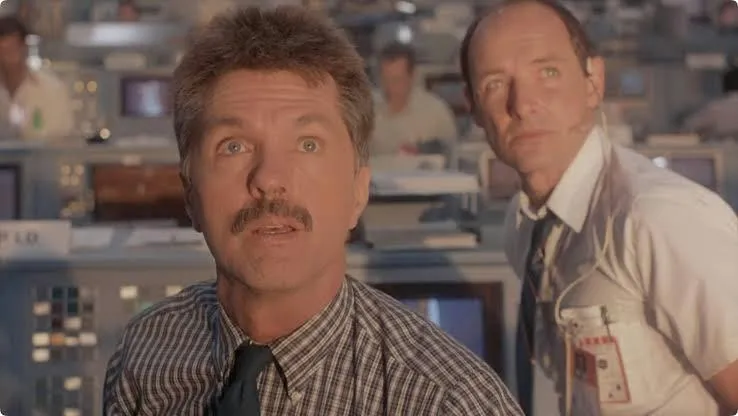
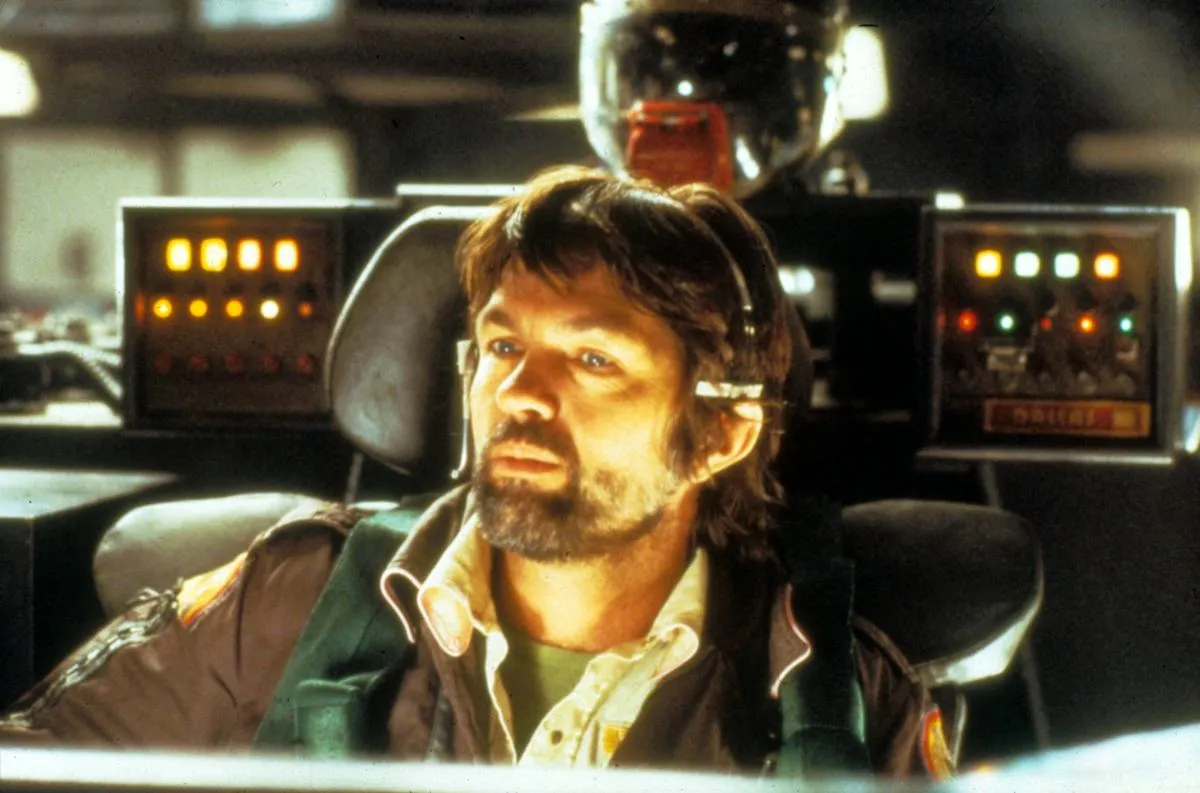
The facts of the case are stark and unchanging. Tom Skerritt’s performance as camp director Zach Bergstrom in *SpaceCamp* has been obscured by context for forty years. The film was conceived as a post-*Star Wars* phenomenon, capturing the cultural shift where space travel moved from military domain to childhood aspiration. The cast included a young Joaquin Phoenix, known then as Leaf, alongside Tate Donovan, Lea Thompson, and Kelly Preston. The narrative follows a group of NASA Space Camp trainees who are accidentally launched into orbit after a robot interprets a wish literally. Skerritt’s role was that of the mentor, the anchor of authority amidst chaos. He balanced the professional rigidity of an astronaut with the personal panic of a husband whose wife, played by Kate Capshaw, was stranded in space. This dynamic was intended to mirror the real-world tension of the era, a blend of inspiration and anxiety.
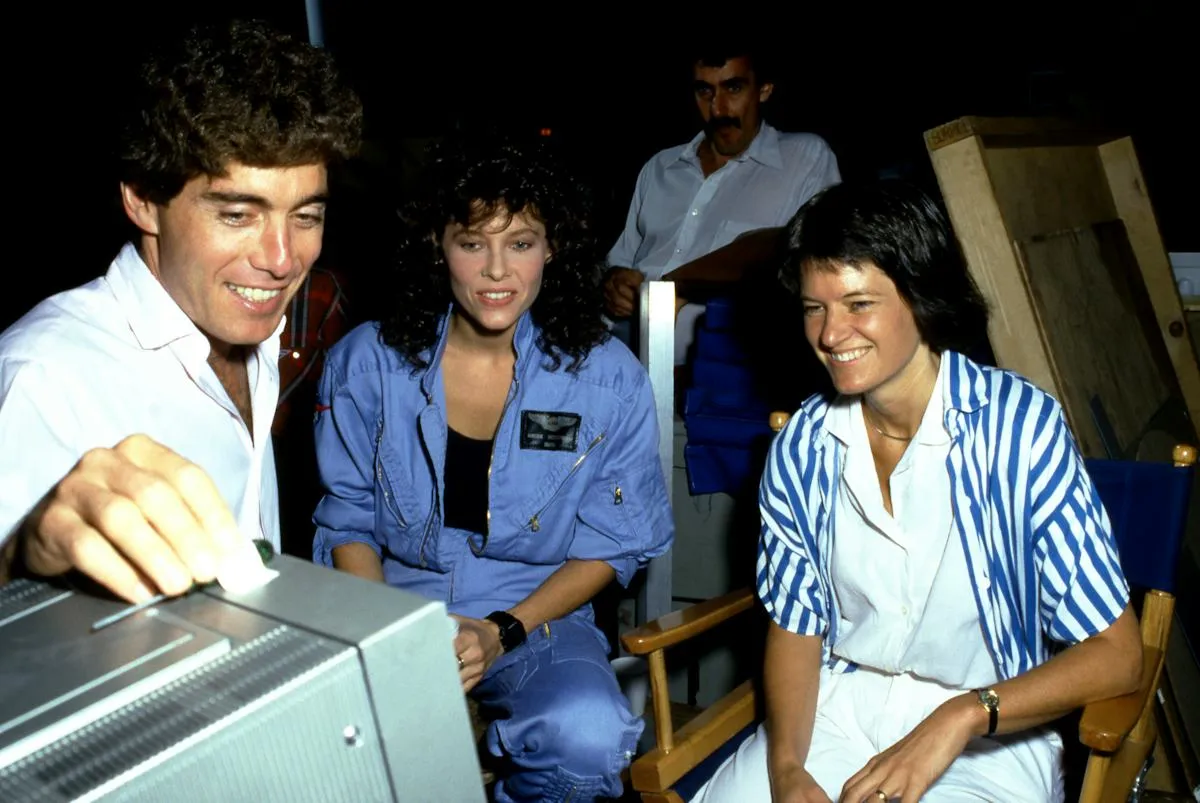
However, the release date killed the movie’s soul. *SpaceCamp* premiered less than five months after the *Challenger* disaster. The tragedy transformed a comedy thriller into an uncomfortable artifact. Roger Ebert noted that the timing was wrong, that the stakes had become too high, too painful for a lighthearted adventure. The film attempted to portray space travel with technical accuracy, even bringing Sally Ride to the set, but this precision backfired. The audience could not separate the fiction from the grief of the national loss. Consequently, the film became a cult object, preserved in obscurity rather than celebrated. The industry never learned to handle cultural trauma with such care in marketing. The result was a long period of neglect where the film’s quality was drowned out by its unfortunate historical alignment.
Today, the commercial loop is broken. Streaming services like the Roku Channel list *SpaceCamp*, but the listing is a hollow promise. The asset is just a two-minute trailer. The full feature is inaccessible to the digital user. To view Skerritt’s performance, to witness the interaction between the child cast and the adult mentors, one must hunt for a physical Blu-ray, DVD, or VHS copy. This is an absurd state for a major studio title. The content is locked in physical formats that are dying out. The end-game for the industry is a bifurcated market. High-value, high-fanaticism properties are preserved through scarcity and physical ownership. Everything else is either buried in digital catalogs that lack depth or locked in licensing dead ends. The future of archival preservation depends on fixing this leak. Until the streaming infrastructure supports the full weight of cultural history, the library remains a series of locked doors.