


(SeaPRwire) – By: Lucas Caldwell
The theatrical model isn’t just dying. It is being actively reanimated by legacy IP desperate for relevance. Paramount is dragging the first four Star Trek films back into AMC and Cinemark locations for the 60th anniversary. This isn’t a simple cash grab. It is a test of whether “event” cinema can survive the streaming deluge. They are betting big on the collective memory of a fanbase that prefers high-definition couches to sticky floors. The twist is the only thing making this gamble interesting.
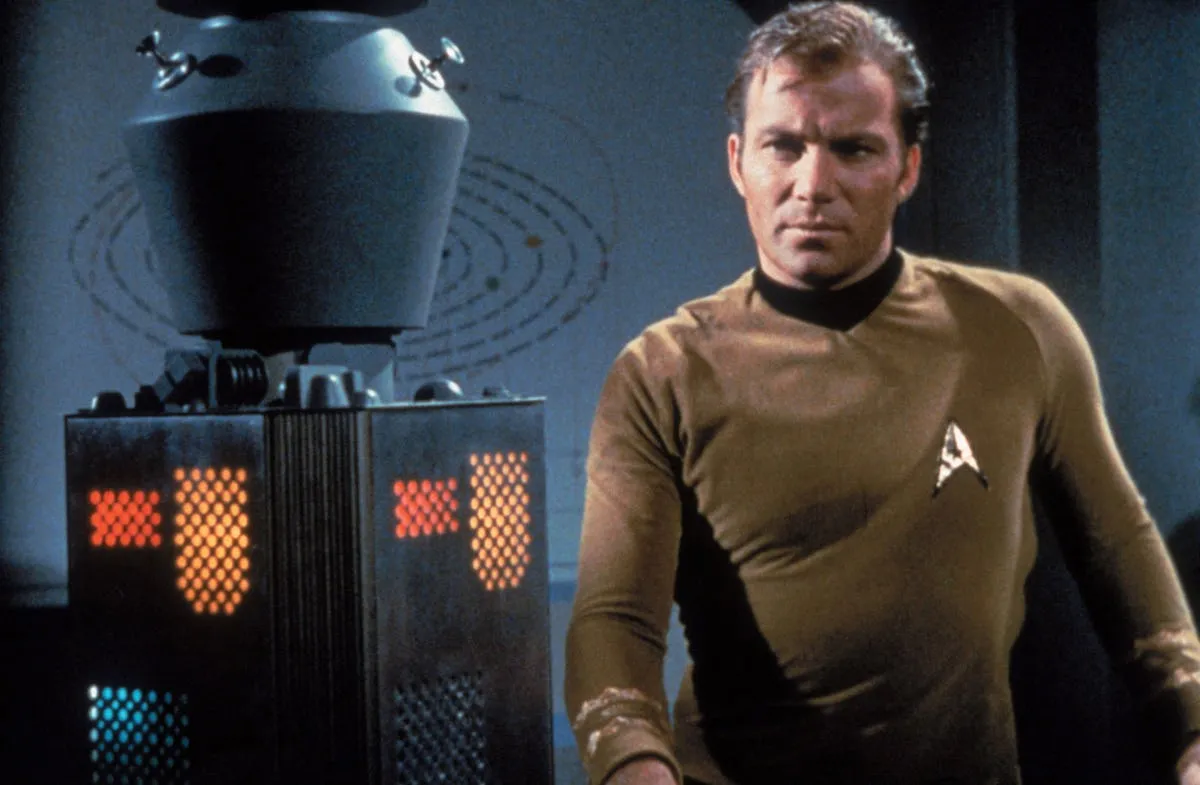
Starting September 4 through September 8, the run hits the 60th anniversary mark. The hook is a double-feature format. Each movie pairs with a specific Original Series episode. “The Changeling” sits alongside *The Motion Picture*, highlighting the recycled AI probe narrative. “Space Seed” precedes *The Wrath of Khan*, linking Khan’s introduction to his cinematic revenge. These pairings expose the lazy recycling of 1960s plots for 1970s and 80s budgets. It is a transparent look at how the franchise built its mythology on repetition.
The schedule continues with “Amok Time” paired with *The Search for Spock*, exploring Vulcan biology through pon farr. “The City on the Edge of Forever” leads into *The Voyage Home*, contrasting tragedy with time-travel comedy. AMC is pushing merchandise hard. Expect a 60th-anniversary popcorn bucket shaped like the TOS Enterprise. Four drink cups come with “mystery toppers” featuring ships like the Excelsior and Reliant. Be warned. These showings run over three hours. That is a long time to sit in a theater for content you own on 4K Blu-ray.
This strategy reveals a shift in media consumption. Studios can no longer rely on blockbusters alone. They must curate “experiences” to justify leaving the house. By linking old TV episodes to movies, Paramount creates a new product. It turns passive viewing into a communal ritual. This mirrors the tech industry’s pivot from selling hardware to selling ecosystems. You are not just buying a ticket. You are buying membership in a cultural moment. The goal is retention. They want eyes on the screen, not just subscribers on an app.
The choice of *The Motion Picture* is particularly telling. It deals with an AI probe seeking its creator. We are living through a real AI revolution. Suddenly, a slow, philosophical film from 1979 feels prescient. The industry is using nostalgia to bridge the gap between old media and new anxieties. It is a defensive move against the fragmentation of attention. If they can own the “canon” presentation, they control the narrative. This is about establishing authority over the IP before it dissolves into the content soup of streaming algorithms.
The future of cinema is not new releases but algorithmically curated nostalgia loops designed to monetize collective memory.
Author bio: Lucas Caldwell, a tech opinion leader with millions of followers on X/Twitter.