(SeaPRwire) –
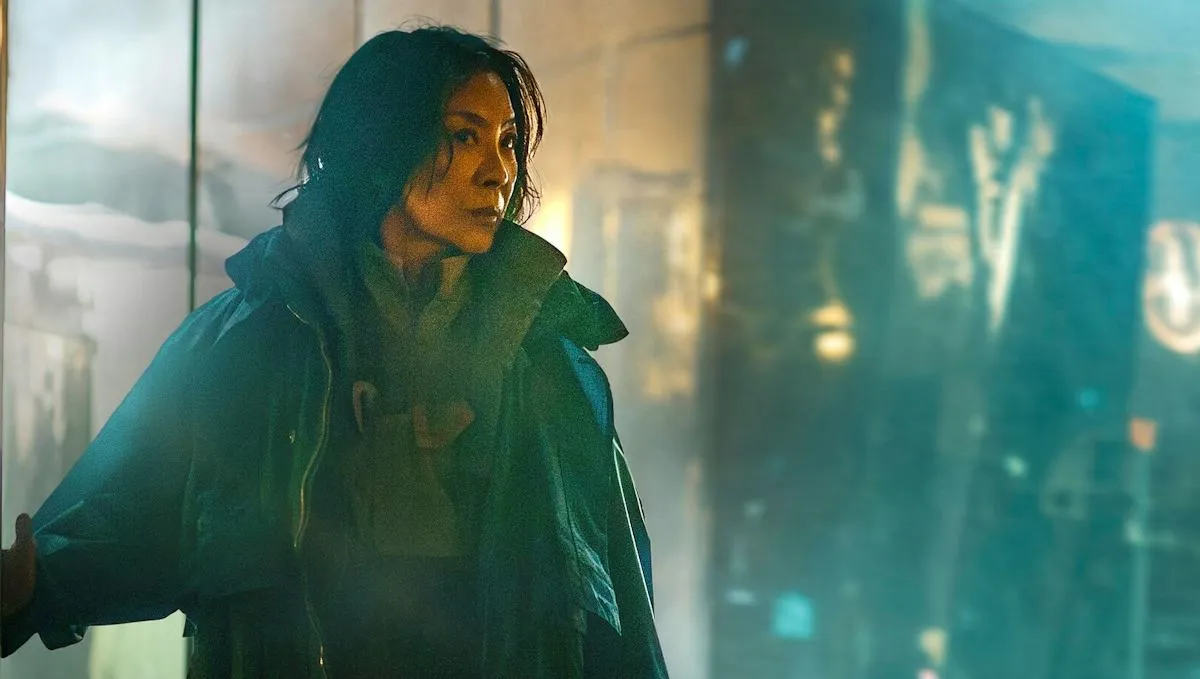

Ridley Scott hid his flaws behind rain and shadow. That was the 1982 strategy. The new *Blade Runner 2099* cast rejects that excuse. Michelle Yeoh argues daylight exposes the decay. She wants clarity. The dark was a cover-up. Now we see what the place has become. It is scarier. You know what is lurking around the corner.
Hunter Schafer disagrees. She loves the night. The neon lights need darkness to shine. Holograms work better in the gloom. Lewis Gribben agrees. A street going out in the rain is sick. The symmetry of rain creates a poetic language. Matthew Needham adds that noir requires darkness. The cast is split. Some want the mystery of the unknown. Others prefer the aesthetic of the glow.
Showrunner Silka Luisa sees the real difference. This is a series, not a movie. Eight episodes need variation. You cannot stay in the dark for that long. A two-and-a-half-hour film allows for a single mood. Television demands a blend. She mixes the tones. The format dictates the aesthetic. You need to jump between variations of noir to keep viewers engaged.
Daylight strips away the protective haze. The genre has always relied on obscurity. The rain was not just weather. It was a narrative shield. Now the shield is gone. The details are exposed. The horror shifts from what you cannot see to what you clearly can. That is the core tension of the new series. It is streaming on Prime Video now.