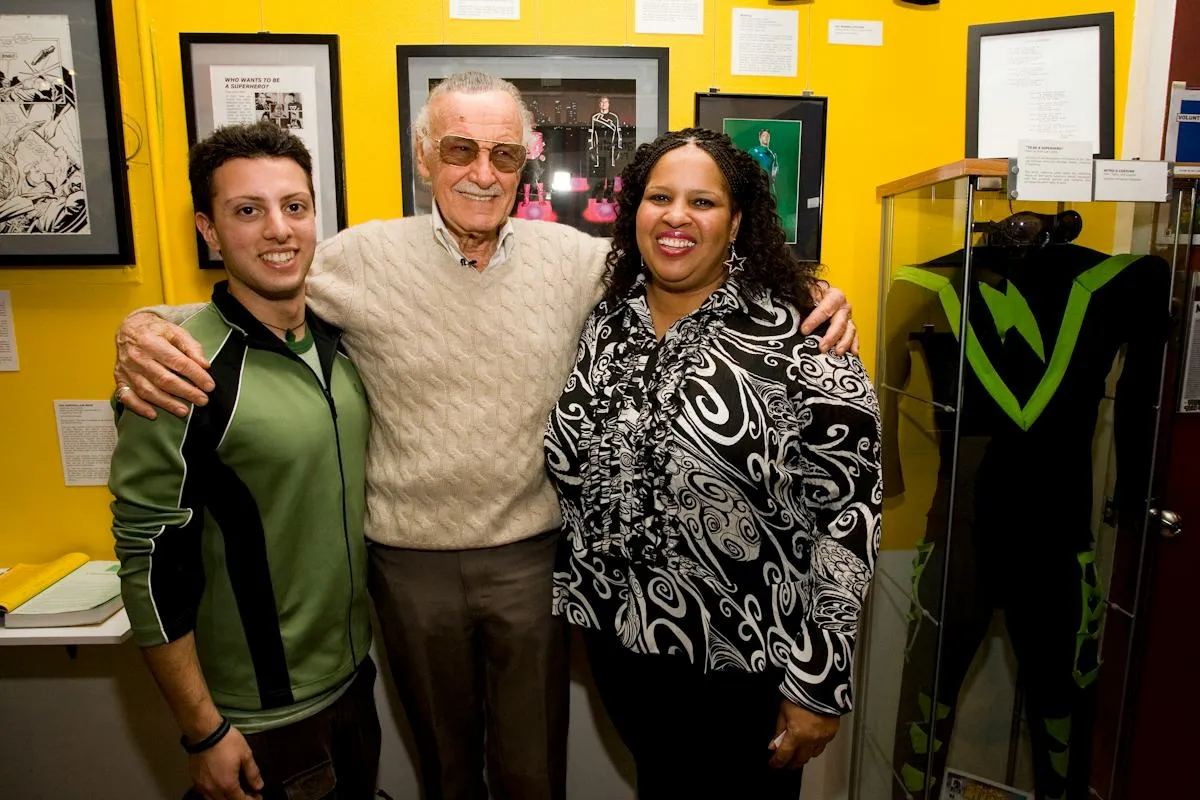
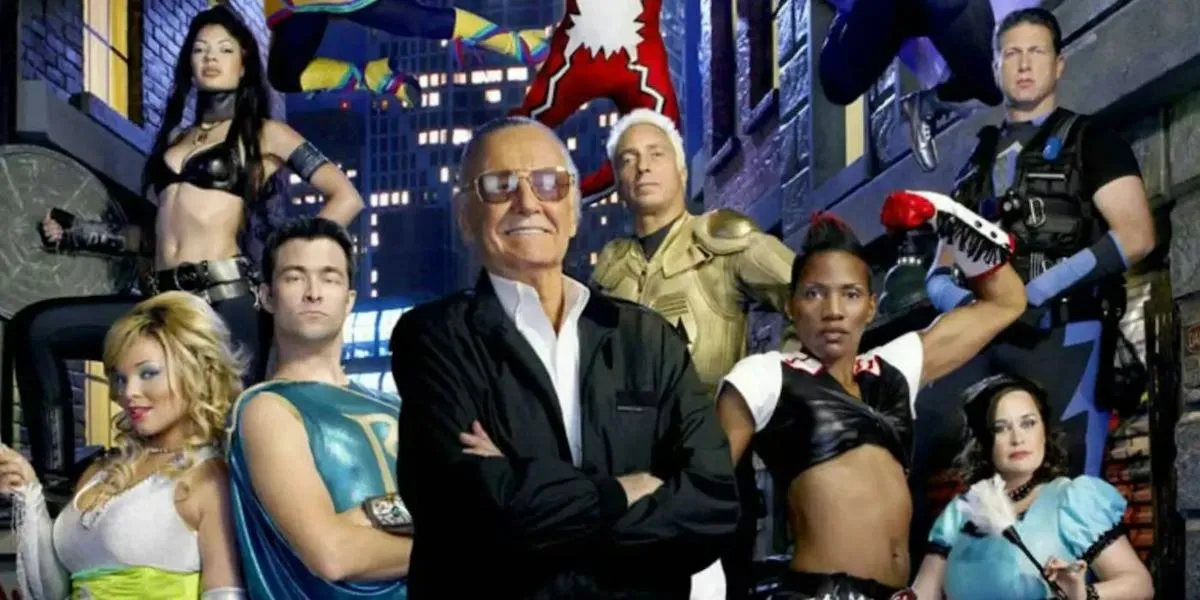
(SeaPRwire) – The PR promised a superhero competition. The code shipped a moral audit. The open call was a debug hook, not a real audition. Matthew Atherton, a software engineer from New Mexico, got in by patching costumes, not by acting. He’d played Spider-Man and Cyclops at Marvel events. His character, Feedback, was a video-game-powered hero with a suit he sewed himself. That’s the first clue: this show ran on maintenance, not power.
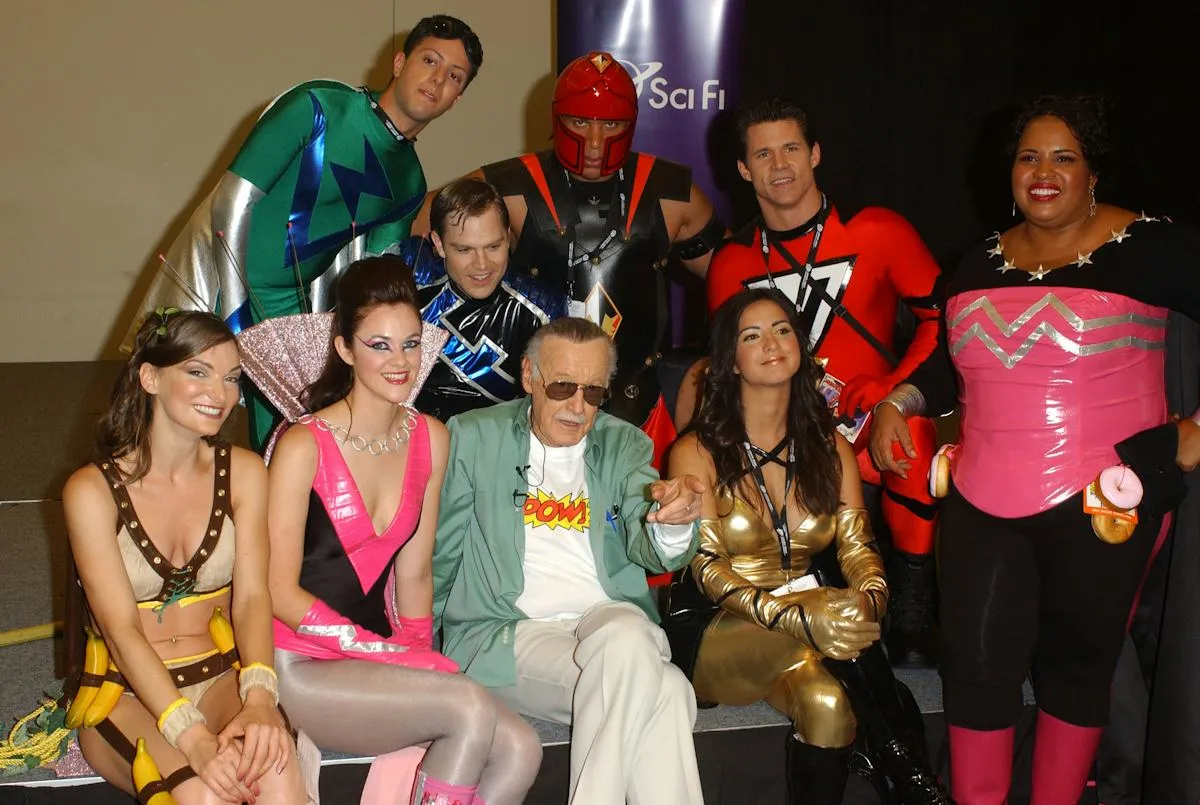
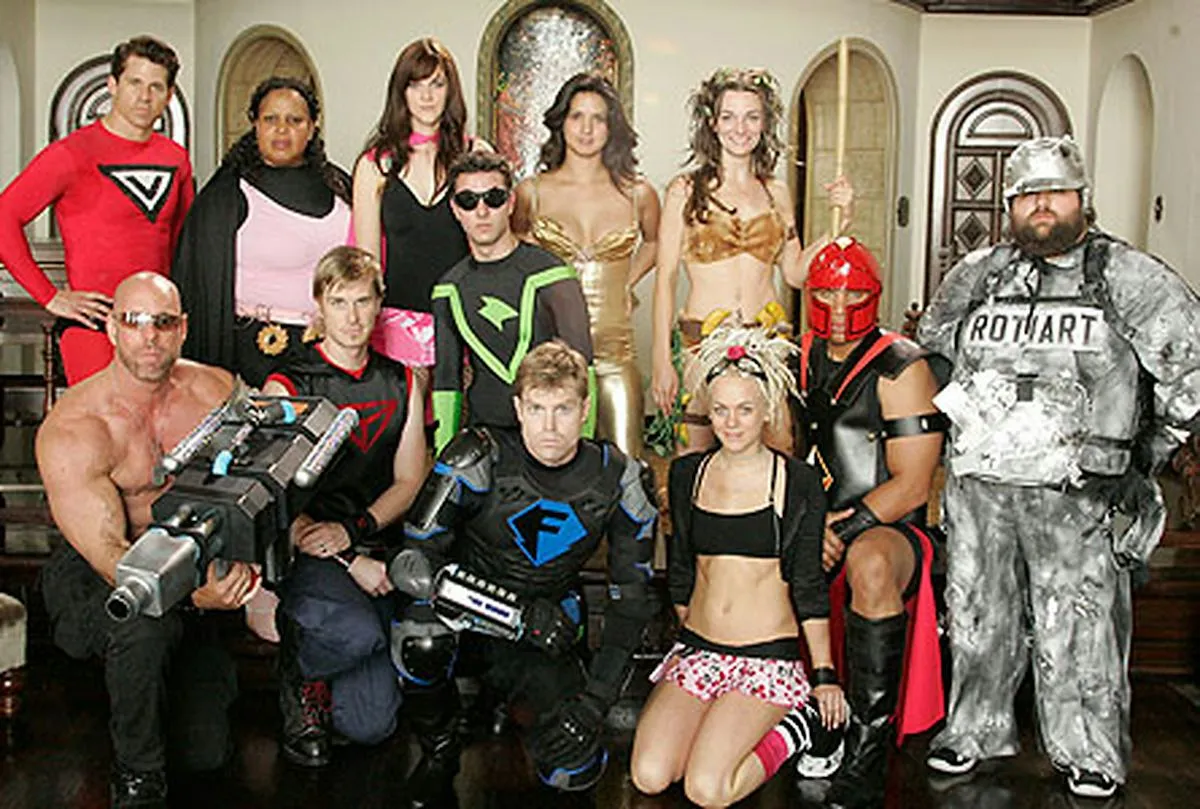
The first episode exposed a core bug: Rotiart, a spy named “Traitor” backward. The other heroes were Monkey Girl, with bananas on her miniskirt; Cell Phone Girl, who took photos with her eyes; and Levity, a toy designer’s alter ego. The challenges were moral tests, not feats. Run a mall, change clothes, help a crying girl. The real test was choosing the heroic branch. Contestants shared one room, one bathroom, one shower. A disqualification for “not-so-superheroic movies” was a red flag. The show was created with Nash Entertainment for Sci Fi. Stan Lee hoped it would be “replete with surprises.” It was.
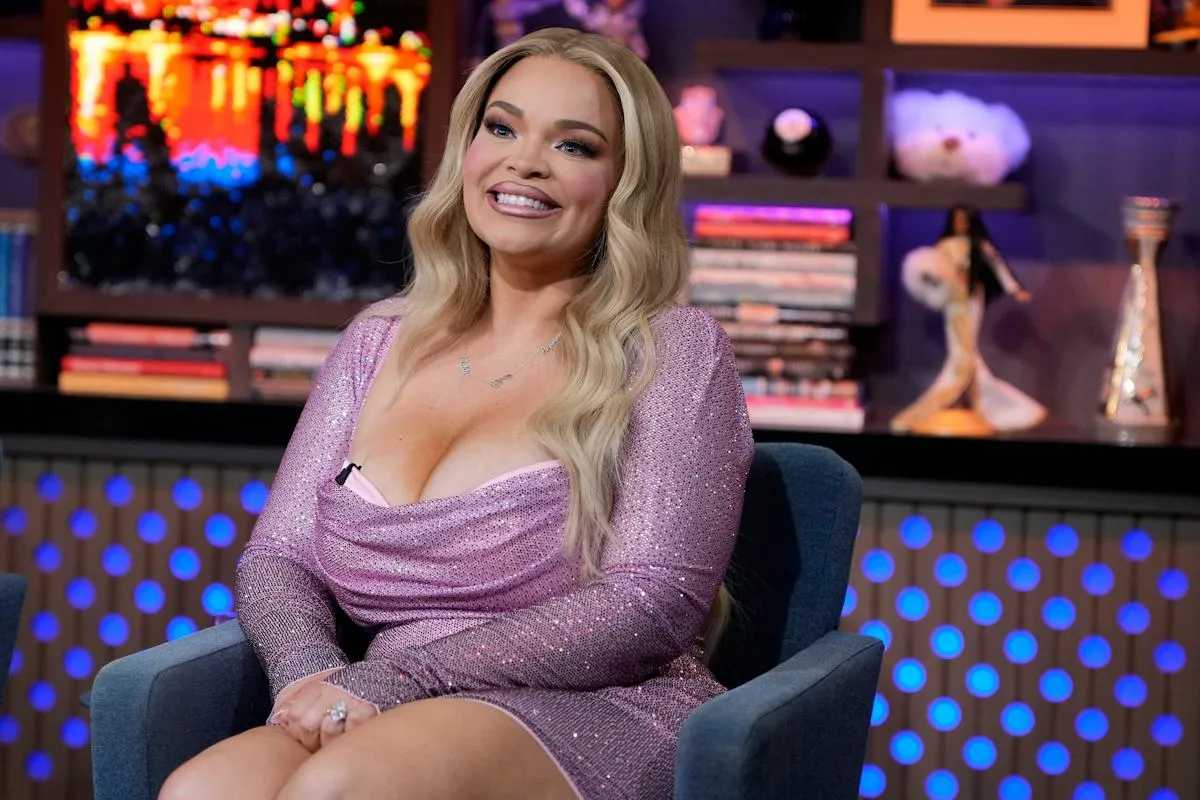
Daryn Passarello, 17, was a comic book store employee in Staten Island. She found an ad in Wizard Magazine. Her character: Nitro G. The show was immersive, but also a production. Stan Lee, 80-plus, appeared on screens, not in person. The show was earnest, but also campy. The contestants wanted heroism, but they also wanted airtime. “What do I have to lose? This would be really cool,” Passarello said. She was presenting as male at the time, but has since transitioned. She had to share one bathroom with men and women.
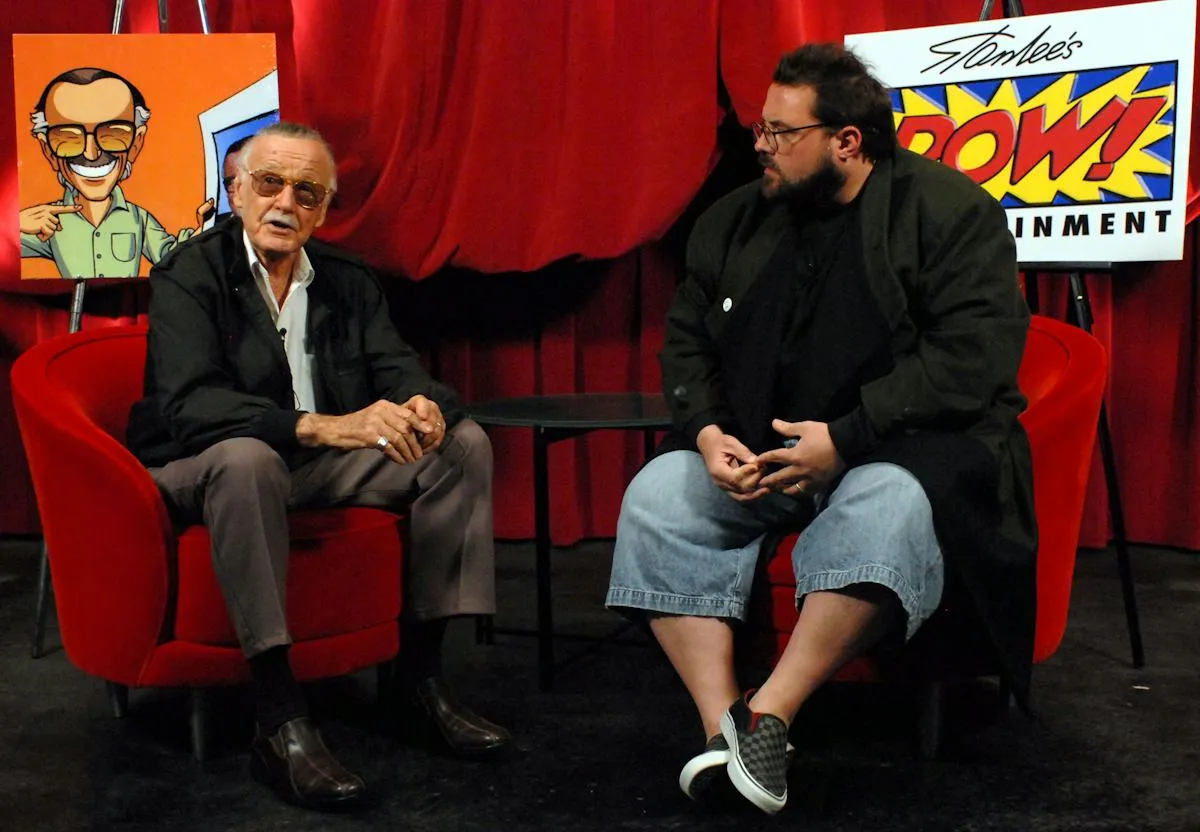
The “Traitor” reveal was a memory leak. The moral tests were underhanded. But the contestants were sincere. The show tried to be real, yet it couldn’t escape its own format. Masks had to come off to see emotions. Superheroes need masks; TV needs faces. Stan Lee played a Trump-like role. He said he’d tell eliminated players, “Turn in your costume.” They handed their suits to a magical trash can that made them vanish. Levity was eliminated for wanting to profit off his action figure. The show broke its own runtime.
Twenty years later, it’s an obscure footnote in superhero history. It didn’t create superheroes. It created drama. The experiment failed to fork a franchise, but it left a lesson: moral character can’t be scripted. It can only be tested, then garbage-collected.