(SeaPRwire) – By: Logan Pierce
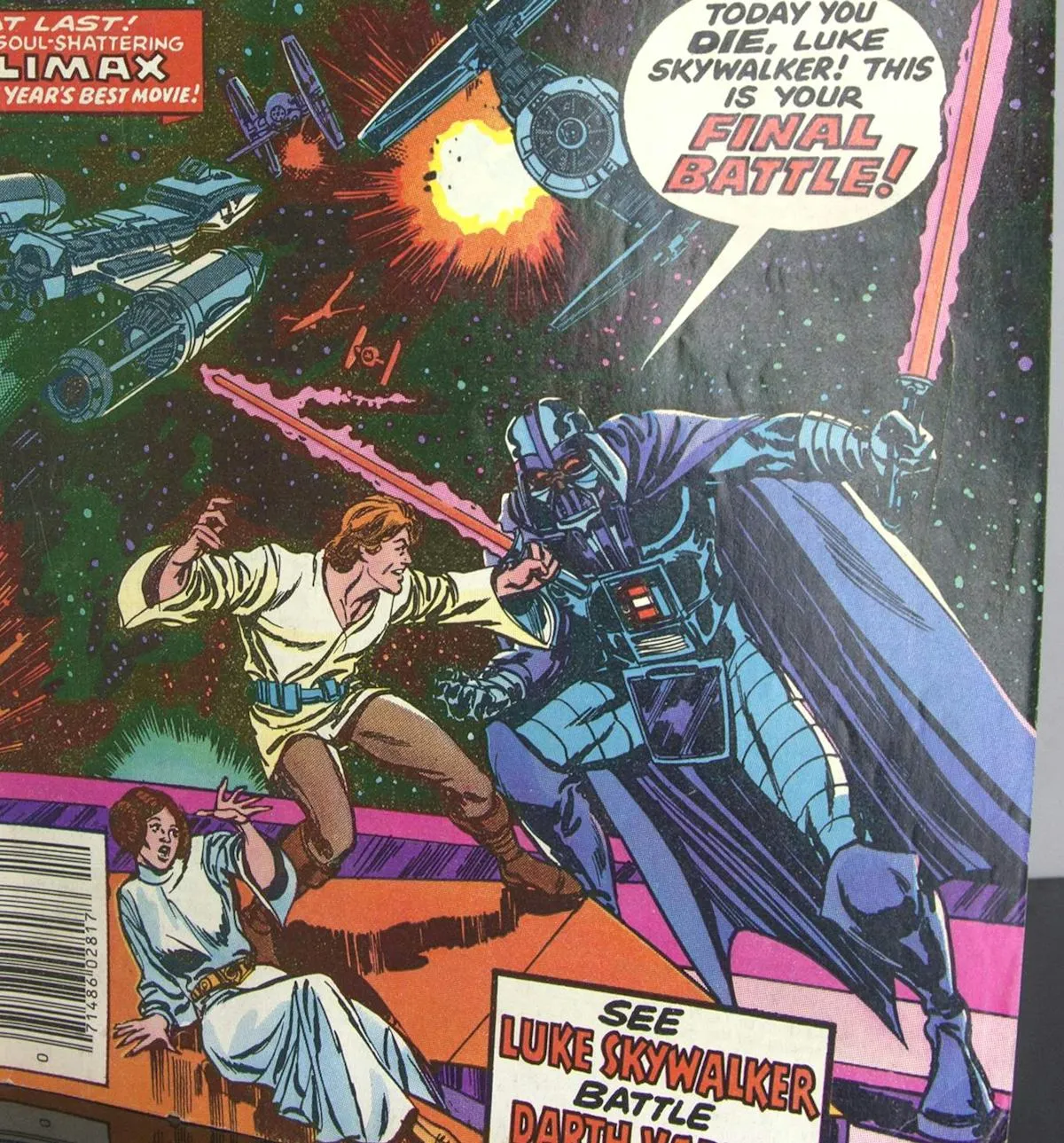
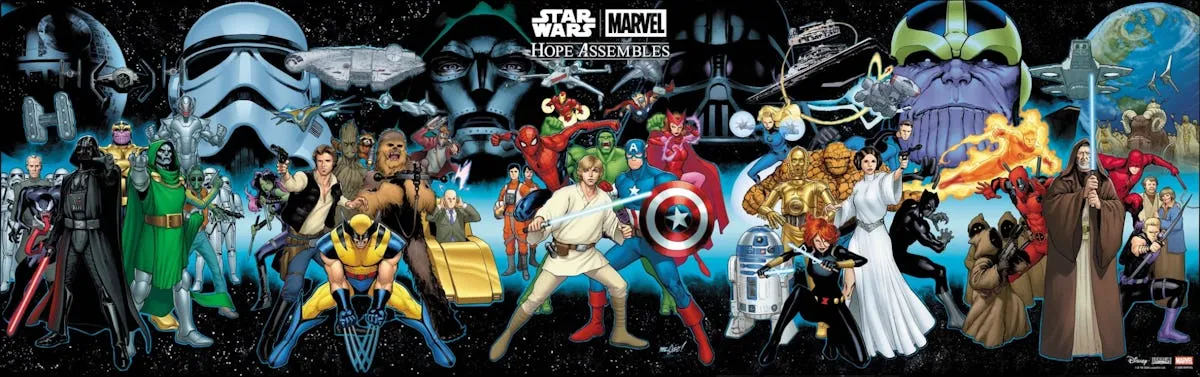
Disney finally pulls the trigger on a merger that should have happened decades ago. The press release frames “Hope Assembles” as a celebration of fifty years. In reality, it is a liquidity extraction event enabled by total vertical integration. Marvel held the license back in 1977. They even published the adaptation before the film hit theaters. Yet, the crossover never happened. Corporate silos and licensing red tape kept the universes apart. Now, under one conglomerate roof, those barriers have evaporated. This project is not merely fan service. It is the inevitable result of asset maximization.
The logistics are precise. The launch is set for January 2027. This timing aligns perfectly with the fiftieth anniversary of the original film. Kevin Smith handles the writing duties. David Marquez provides the art. The run lasts five months. It concludes in May 2027. The narrative relies on a “reality-shattering spell.” This device transplants *A New Hope* into the mainline 616 universe. It is a retelling. It facilitates encounters between Vader and Thanos. It allows Luke to meet Spider-Man. The legal friction is non-existent because the parent company owns both sides of the transaction.
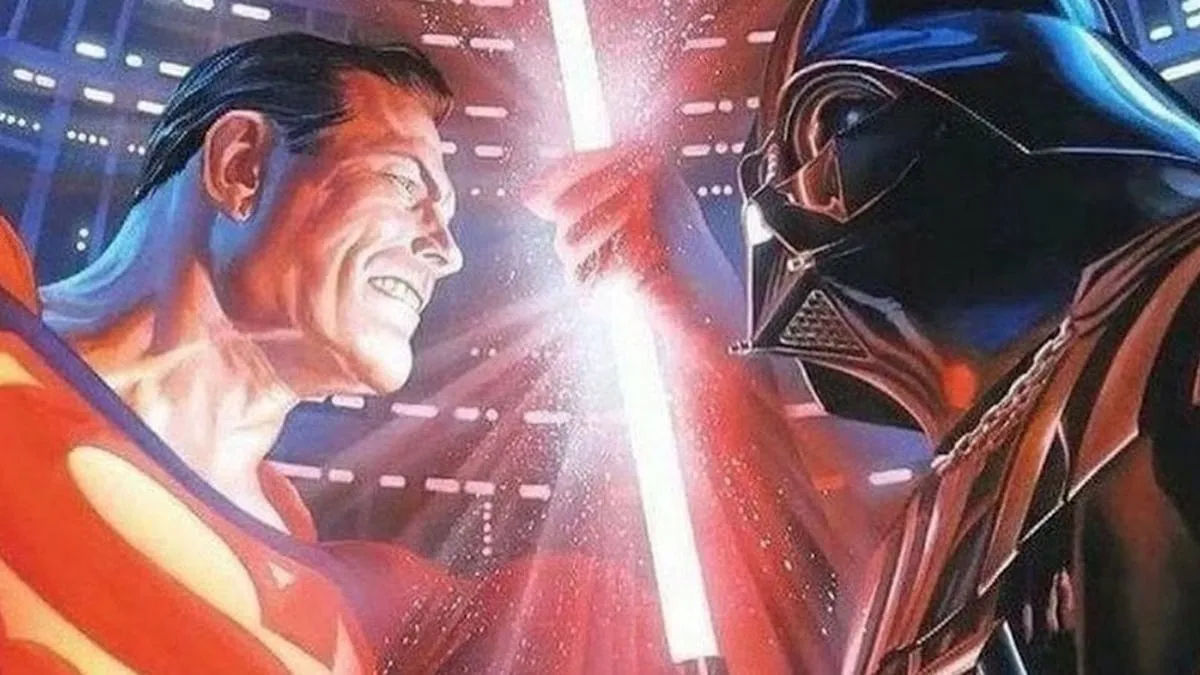
History highlights the difficulty of such deals. Spider-Man met Transformers in the 1980s. But Star Wars remained isolated. A Superman versus Vader project was actually planned in the late 2000s. Kurt Busiek and Alex Ross were attached to develop it. That attempt collapsed completely. Licensing issues killed the deal. Payment disputes were the final nail. George Lucas sold Lucasfilm to Disney in 2012. Marvel regained the Star Wars license in 2015. That acquisition cleared the path. The corporate consolidation solved the logistical nightmare.
The scheduling is clearly strategic. The comic release coincides with the hype for *Avengers: Doomsday*. This creates a multi-platform media loop. It drives comic sales through movie buzz. It reinforces the film through comic nostalgia. The “reality-shattering spell” is a convenient plot mechanism. It justifies the absurdity of the mashup. It protects the established canon. The spell can be reversed later. The status quo remains intact. This approach minimizes narrative risk. They get the event sales without permanently damaging the individual franchises.
Star Wars remains a “Golden Goose” for the publisher. Marvel has exploited the license for over ten years. They desperately need fresh angles to maintain growth. The core audience is aging. They require shock value to capture new eyes. Vader allied with Doctor Doom provides that shock. It grabs headlines. It dominates social media feeds. It functions as a cheap marketing win. The production costs are standard. The return on investment is guaranteed by the sheer weight of the brand. It is a low-risk cash grab disguised as a historic creative milestone.
This miniseries will sell out instantly and prove that consolidated IP ownership is the only reliable revenue model in modern media.
Author bio: Logan Pierce, an independent business researcher and corporate governance writer on Medium.