(SeaPRwire) – By: Lucas Caldwell
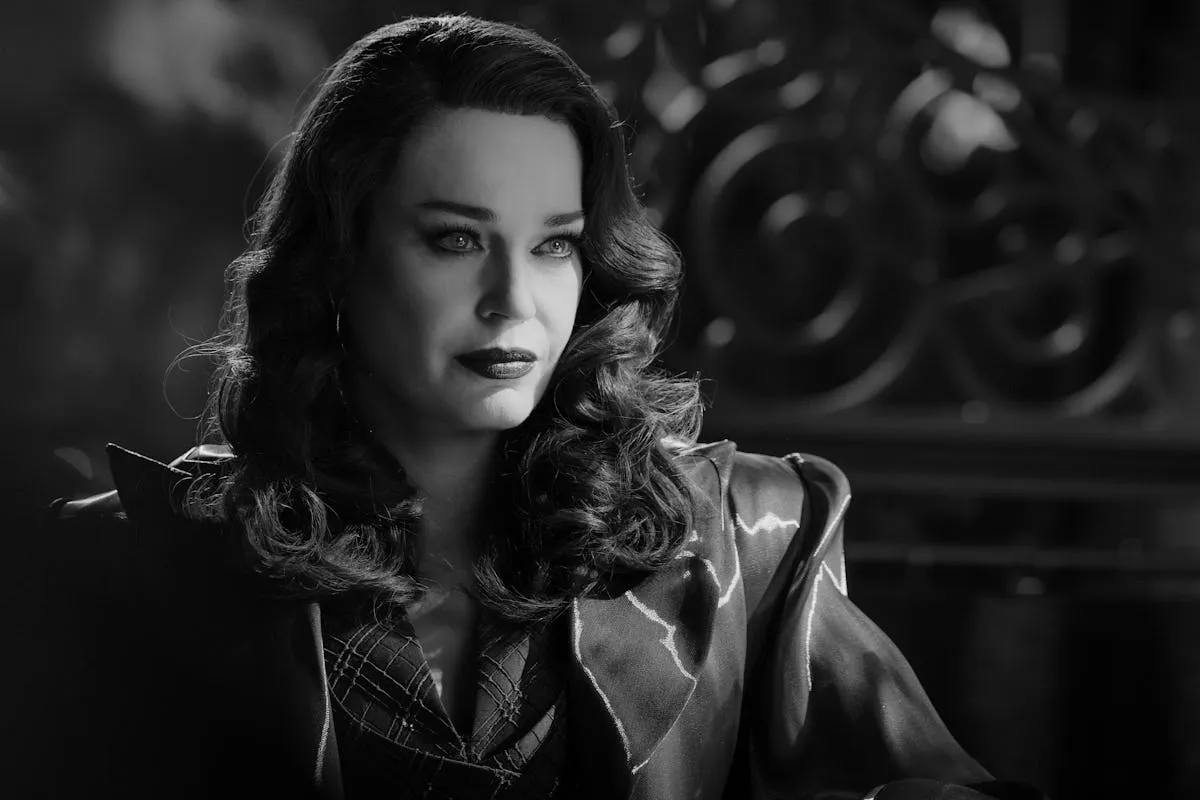
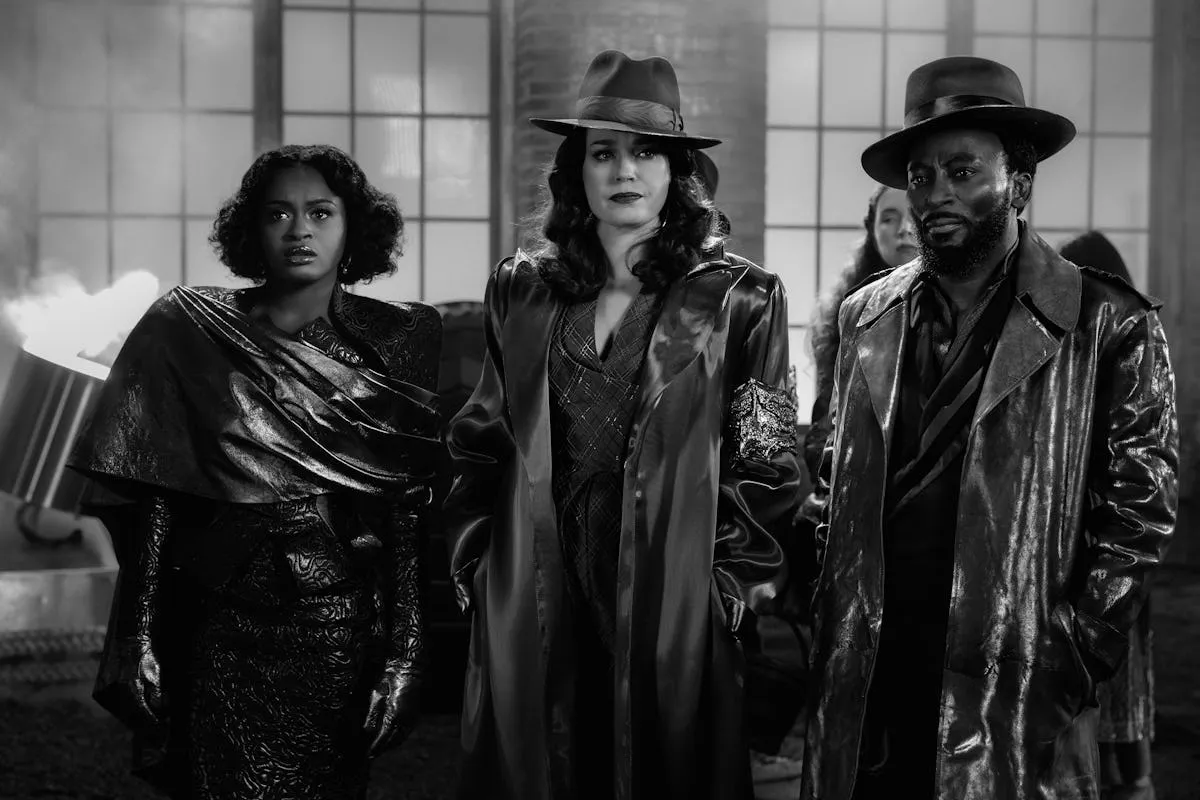
The worst thing Star Trek can do is wink at the audience. Strange New Worlds learned that the hard way. Season 4 has already thrown a horror episode and a Hangover-style comedy at us. Fun, sure. But hollow. Then Episode 4, “A Case of Chiaroscuro,” arrives. It does not wink. It does not nudge. It drops Una, M’Benga, and Uhura onto a black-and-white planet that is literally Casablanca, and plays it stone-cold straight. That is the disruptive move. Not the homage. The refusal to soften it.
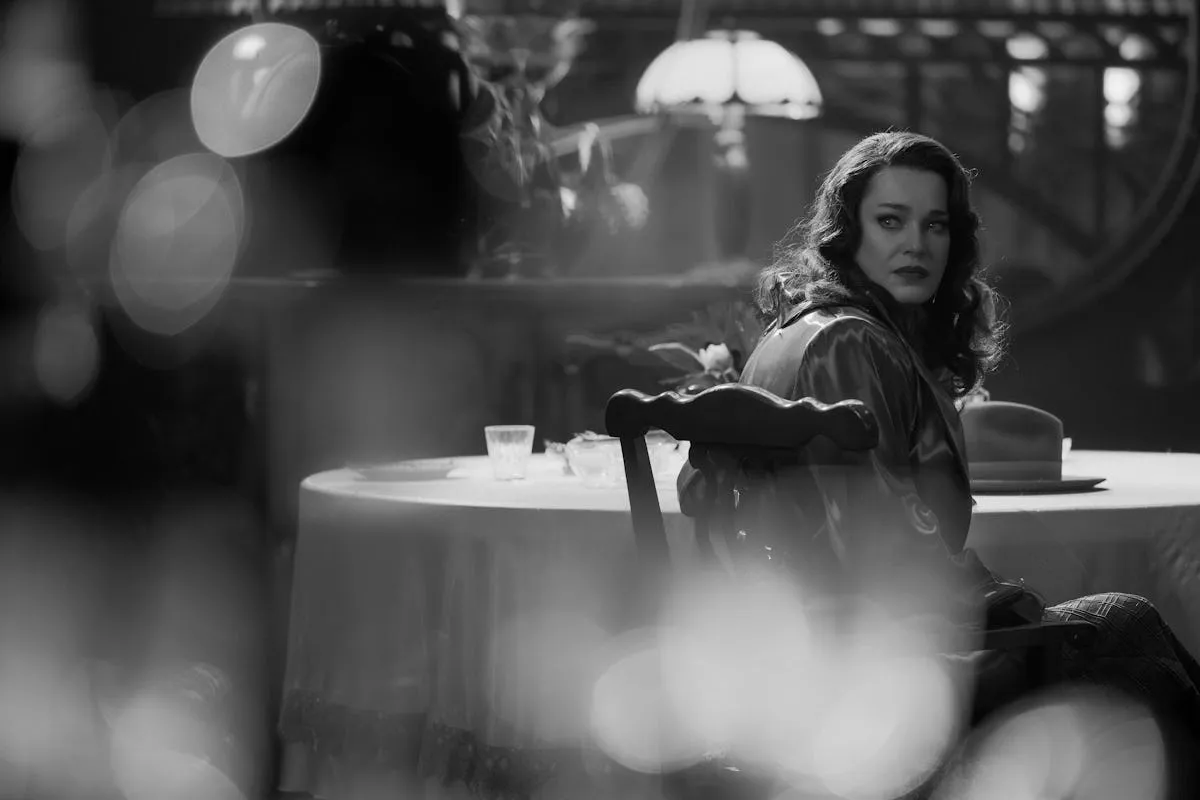
The facts are lean. The planet is Mat’aar. The Klingons are the occupying force, standing in for Nazis. Una’s doppelganger, Yvette, runs a nightclub that mirrors Rick’s Café. The script from Skylar Ojeda and Dana Horgan never explains why the world is monochrome. It just is. M’Benga even admits the doppelganger coincidence is “slim” but shrugs it off because the universe is big. That’s it. No lampshading. No meta-joke. The show trusts the audience to sit in the mood.
Compare this to The Next Generation’s Dixon Hill episode. Picard wore the hat, smiled at the camera, and the holodeck made it a game. This is the opposite. Strange New Worlds commits to the emotional weight of the original film. The resistance, the occupied longing, the moral compromises. Romijn’s performance as Una is the anchor. She is not playing dress-up. She is playing survival. The episode earns its noir texture because it never laughs at itself.
Here is the macro shift. Trek has spent a decade apologizing for its own earnestness. Discovery leaned into melodrama. Picard chased nostalgia. Lower Decks made everything a joke. Strange New Worlds itself has been guilty of genre-hopping as a gimmick. But “A Case of Chiaroscuro” signals something else. The franchise is rediscovering the Roddenberry rule: parallel Earths are not silly. They are allegorical shortcuts. The 1940s gangster planet in The Original Series worked because it was played straight. This episode does the same.
The industry subtext is uncomfortable. Modern streaming franchises are terrified of boring the viewer. They cram in winks, Easter eggs, and tonal whiplash to keep attention spans alive. Strange New Worlds just proved that the opposite approach works. Give the audience a monochrome world, a slow burn, and a character study that borrows from a 1942 film. Do not explain it. Do not apologize. The result is the most compelling visual hour of contemporary Trek in years.
The lesson is simple: the franchise’s future doesn’t lie in gimmicks, but in the quiet confidence to let a story be what it is.
Author bio: Lucas Caldwell, a tech opinion leader with millions of followers on X/Twitter, known for sharp cultural analysis and unflinching takes on the intersection of media and technology.