
(SeaPRwire) – By: Lucas Caldwell
Seven years. That’s how long it took for Spider-Man to lose his pulse. Tom Holland’s Peter Parker started as a scrappy Queens kid. Now he’s an intelligence asset with a Stark Industries tech pipeline. The shift isn’t subtle. It’s baked into the franchise DNA from the very start. Every film adds another layer of surveillance capability to his toolkit. Every villain gets caught through more invasive means. The friendly neighborhood framing has become a hollow joke. Peter Parker now operates like a private contractor for the Department of Justice.
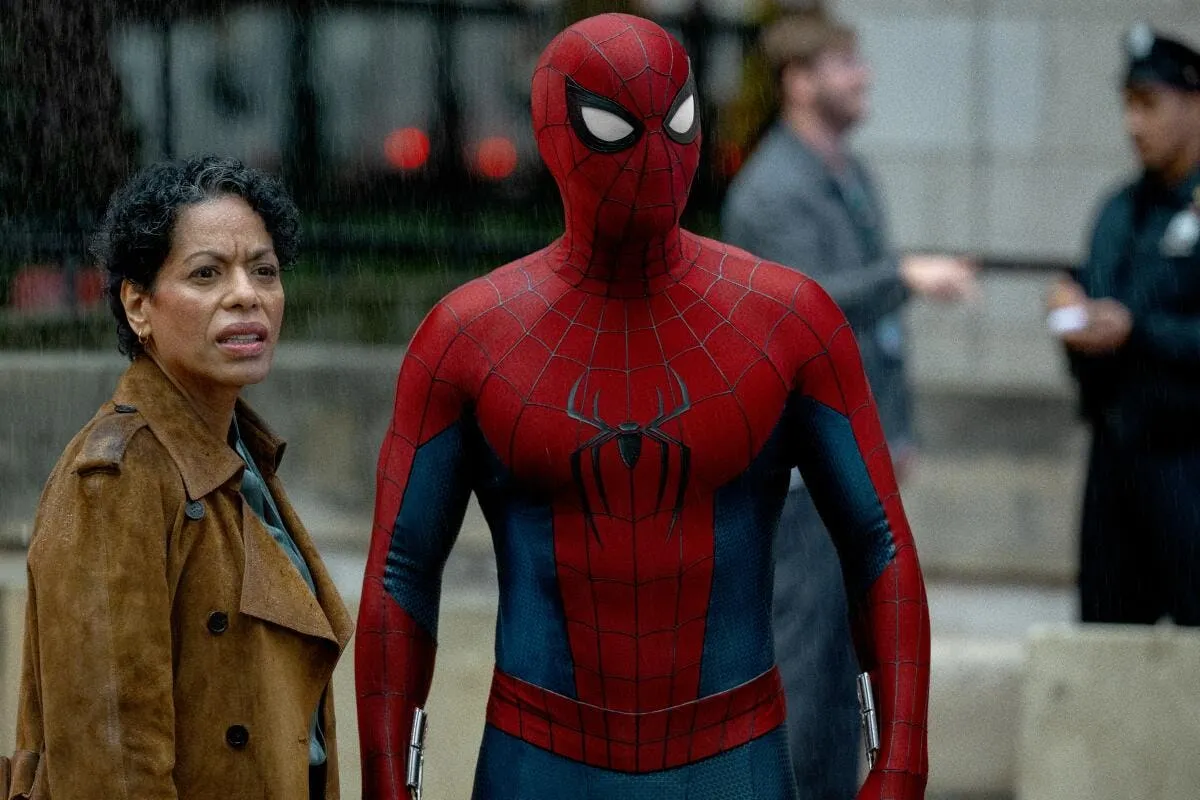
Homecoming introduced the problem. Peter gets a weaponized suit with lethal functionalities from Tony Stark. He never uses it on humans. That doesn’t matter. Far From Home escalates it. He inherits Stark’s glasses. They grant access to a global satellite network and weaponized drones. Brand New Day goes further still. Peter accesses every public camera in New York City. He tracks Jean Grey through mass surveillance infrastructure. The detective tells him it’s illegal. Peter doesn’t care. It works. The film rewards him for it.
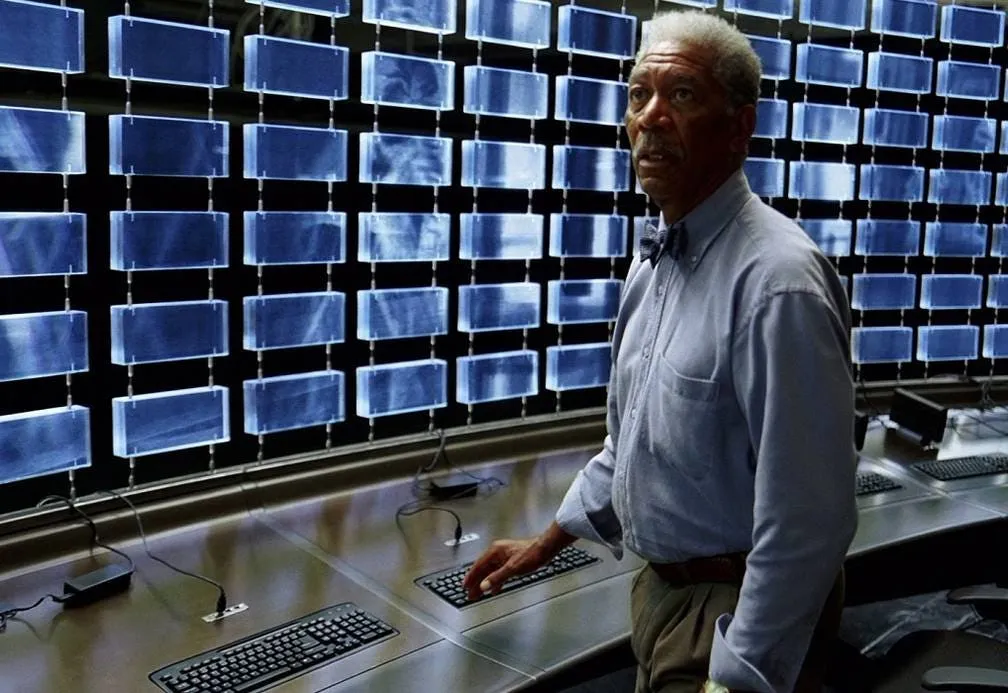
Compare that to The Dark Knight. Batman hacks phone networks to catch the Joker. His trusted confidant tells him it’s wrong. The film frames it as an extreme overreach. The moral weight is explicit. That contrast is telling. Brand New Day has no such friction. No character objects to Peter’s surveillance breach. Nobody questions whether this is acceptable. The film doesn’t even acknowledge the breach exists. It treats mass surveillance as a natural tool. A utility. Something Peter simply picks up and uses. That’s the entire problem in one comparison.
This isn’t an accident. Marvel is owned by a megacorporation. DC operates under similar conditions. Big Two publishers need to make money. They can’t afford to alienate the justice system. They can’t afford to suggest that surveillance might be bad. The result is a genre that increasingly endorses punitive violence. Hero characters catch bad guys. They use whatever means necessary. The status quo gets preserved. Real safety doesn’t require violating citizen rights. But the MCU never makes that distinction. It conflates catching criminals with actual security.
The irony is sharp. Real-world police are deploying traffic cameras like the Flock system. They use them for increasingly inappropriate purposes. Meanwhile Spider-Man is normalizing mass surveillance as heroic behavior. Children are watching this. They absorb the message that privacy violations are fine when the person doing it looks good. When the stakes are high enough. When the outcome is positive. If audiences accept Spider-Man hacking every camera in New York City, that acceptance bleeds into real policy debates. Surveillance gets a free pass because it caught the bad guy.
The next time a film treats mass surveillance as a heroic convenience, the industry will have crossed another invisible line.
Author bio: Lucas Caldwell is a tech opinion leader tracking platform surveillance, media normalization of data extraction, and the slow erosion of digital citizen rights through entertainment and consumer technology.