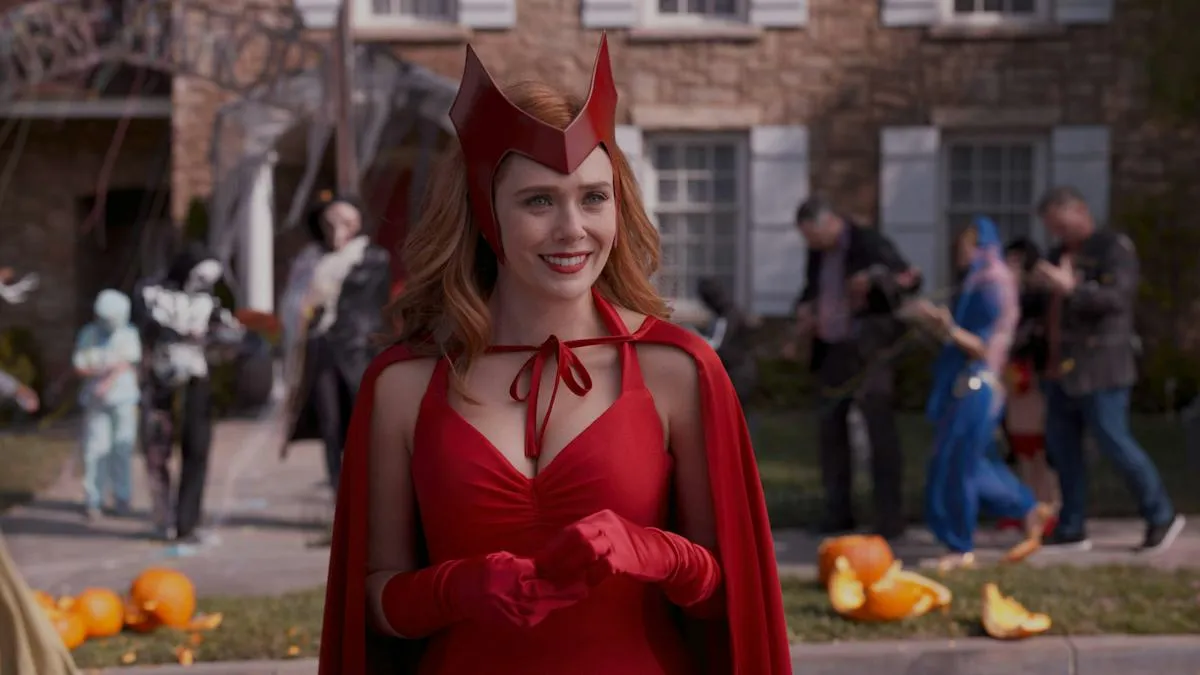
(SeaPRwire) – The corporate marketing machine wants us to believe the Marvel Cinematic Universe is a seamless, beautifully orchestrated open-source project. In reality, it is a heavily guarded, proprietary codebase designed to maximize Disney+ subscription retention. The announcement of Wanda Maximoff’s return in the *VisionQuest* post-credits scene is the latest example of this top-down dependency management. By having Doctor Doom dig her out from under the mountain, the studio forces a massive narrative patch. The fan community must reverse-engineer this just to understand *Avengers: Doomsday*. It treats the audience like unpaid beta testers, patching narrative holes with retroactive code.
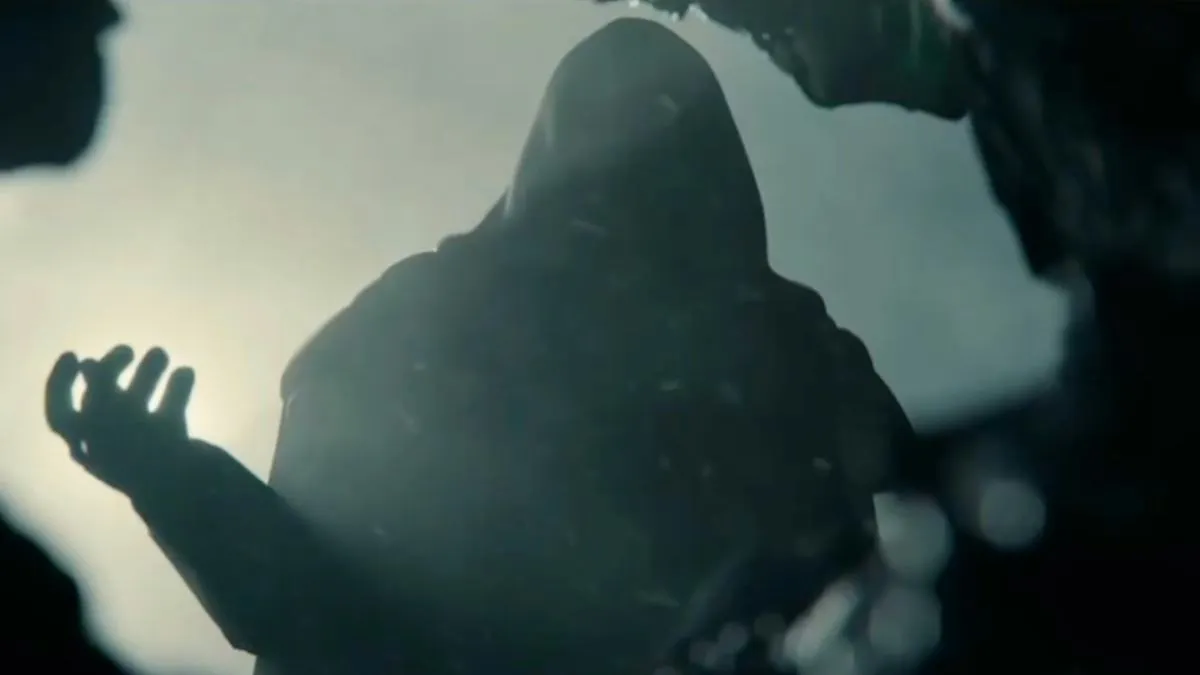
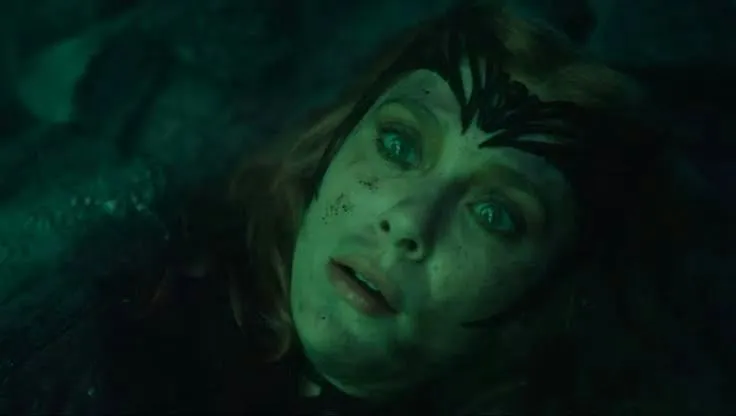
The raw code commits are finally visible, and they reveal a messy architecture. The *VisionQuest* finale delivers a double hit of retroactive dependencies. First, Human Ultron appears, followed by Doctor Doom unearthing Wanda from the mountain’s rubble. He speaks the chilling line, “Scarlet Witch, awaken. Your power will be mine.” This is not a minor patch. It directly connects a streaming series to the theatrical release of *Avengers: Doomsday* on December 18. The studio recently secured the rights to use her codename, adding proprietary branding.
The telemetry from the casting room shows a classic misdirection campaign. Elizabeth Olsen was absent from the initial cast announcements, and she confirmed to *The Hollywood Reporter* that she would not appear. Yet, the community knows the drill. The Andrew Garfield precedent proved that actors can lie to the press to protect major spoilers. Her return is now confirmed, proving that the studio’s PR branch operates on a need-to-know basis. Meanwhile, the Latverian witches teased at Comic-Con suggest a larger alliance. Doom is likely building a dark army, and Wanda’s immense Darkhold-fueled power is the key weapon.
The fan community’s backlash against this forced narrative integration is intense, but it rarely impacts the bottom line. Viewers complain about having to consume multiple Disney+ series just to understand a theatrical blockbuster. This is a feature, not a bug, in the modern enterprise pricing model. By locking essential plot points behind streaming paywalls, the studio justifies continuous subscription fee increases. They are monetizing the very narrative fragmentation that frustrates their most dedicated users. The transition of Wanda’s story into a corporate bargaining chip shows how deeply the art has been commodified.
In the end, the open-source community has no vote in the development of this proprietary universe. Fans can debate, theorize, and complain in the forums, but the corporate kernel remains absolute. Wanda Maximoff’s fate is not decided by her narrative agency or the audience’s desires. It is decided by quarterly earnings reports and corporate targets. As *Avengers: Doomsday* approaches, the character is simply a licensed asset, ready to be deployed at will. The only power the audience truly possesses is the choice to keep paying or finally walk away.