
(SeaPRwire) –
Denis Villeneuve just pulled off a masterclass in cinematic timeline engineering. The implications are massive for blockbuster franchise management. The final trailer for Dune: Part Three reveals a massive shift. It stretches the gap between the first film and the sequel from twelve years to nineteen. This is not a minor plot adjustment. It is a bold, pragmatic rewrite of the franchise’s internal physics. It solves a very real-world casting bottleneck. Hollywood rarely tolerates such explicit timeline deviations. But when the physical age of the cast collides with the script, the script must bend.
The core facts of this timeline shift are rooted in Frank Herbert’s original chronology. In the 1969 novel Dune Messiah, Alia is only fifteen years old for most of the story. She was basically a toddler at the end of the first book. The original book timeline places the events of Dune Messiah between 10,208 and 10,210 AG. This represents a twelve-year gap from the end of Paul’s rise to power. The Villeneuve movies have compressed this significantly. They place both Part One and Part Two entirely within the year 10,191. This eliminates the internal time jump. It means Alia is not born by the end of Part Two. Paul murders the Baron himself, rather than his baby sister.
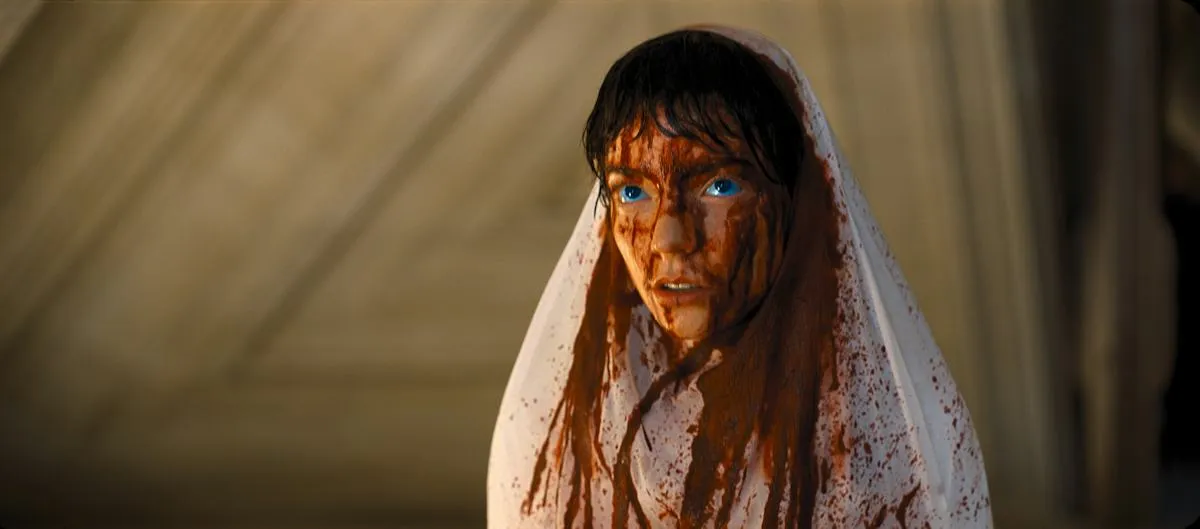
This expanded timeline solves several narrative headaches while creating new ones. By shifting Part Three to 10,210, Alia becomes a young adult, likely around twenty years old. This fixes the creepy dynamic of her romance with the Duncan Idaho clone, Hayt. It also skirts the entire uncomfortable period of Alia being a super-baby with memories. But the change goes further. The trailer confirms that Paul and Chani’s children, Leto II and Ghanima, will appear as young adults. Cast as Nakoa-Wolf Momoa and Ida Brooke, these characters are only infants at the novel’s conclusion. Their presence as adults means the film merges the timeline of Dune Messiah with the events of Children of Dune.
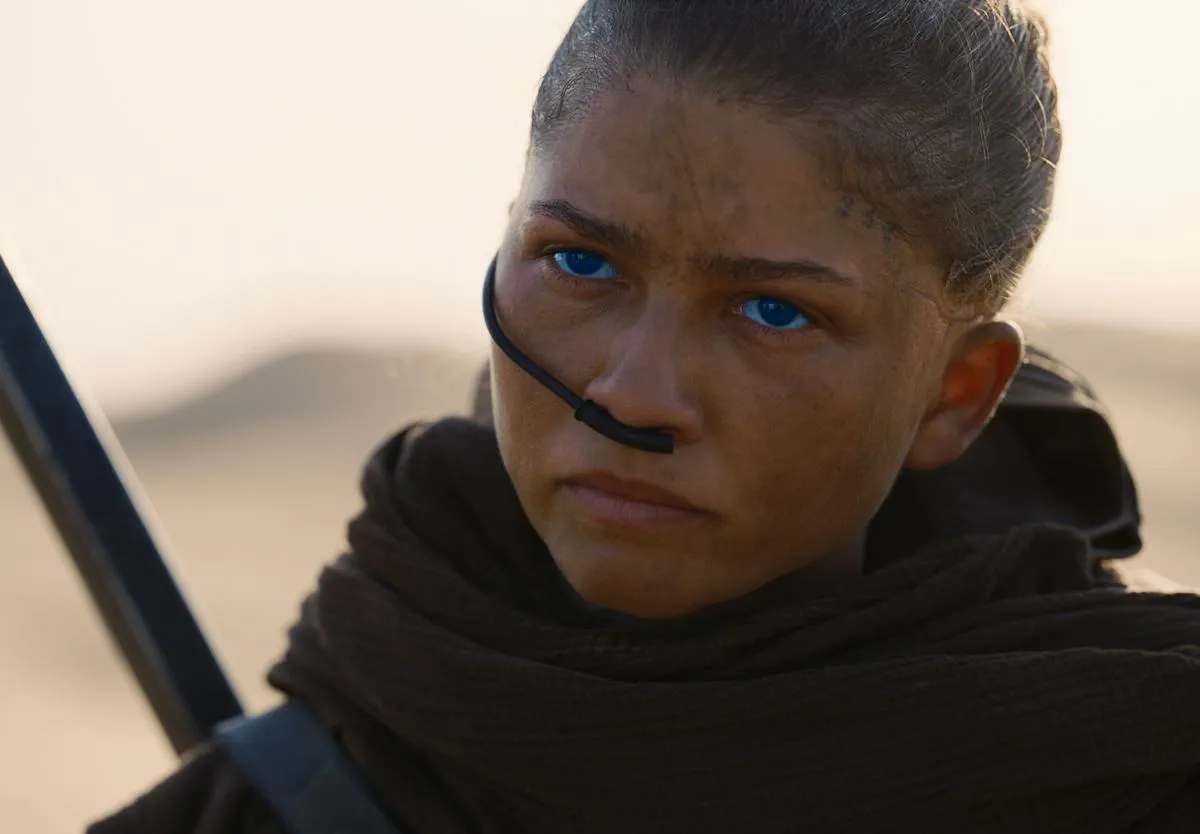
From a macro-industry perspective, this timeline shift is a masterclass in franchise risk management. High-budget cinematic universes cannot afford to have their core cast age in real time between installments. The pressure to keep the star-studded ensemble together, especially high-profile assets like Zendaya, Timothée Chalamet, and Anya Taylor-Joy, forces the production team to rewrite the narrative physics. By stretching the timeline, the studio ensures that the core characters remain in their prime. It allows the narrative to jump directly into the complex, adult political intrigue of the later books without waiting a decade for the actors to grow up.
This adaptation strategy highlights a broader shift in how Hollywood consumes literary IP. Modern blockbuster filmmaking prioritizes narrative velocity and immediate high-stakes conflict over the slow-burn, decade-spanning political accumulation of the source material. By merging the generational gap of the books, Villeneuve creates a condensed, high-drama cinematic climax. This caters to the attention spans of global streaming audiences. It trades the methodical buildup of the original trilogy for a fast-tracked, dynastic saga where the heirs of House Atreides are already grown and ready to fight. The commercial payoff is a tighter, more emotionally immediate epic.
If Warner Bros. wants to survive the post-Villeneuve era, they must treat this condensed timeline as the new canonical baseline, betting that audiences prefer a fast-tracked, high-drama dynastic saga over slow-paced, decade-spanning sci-fi epics.