
(SeaPRwire) –
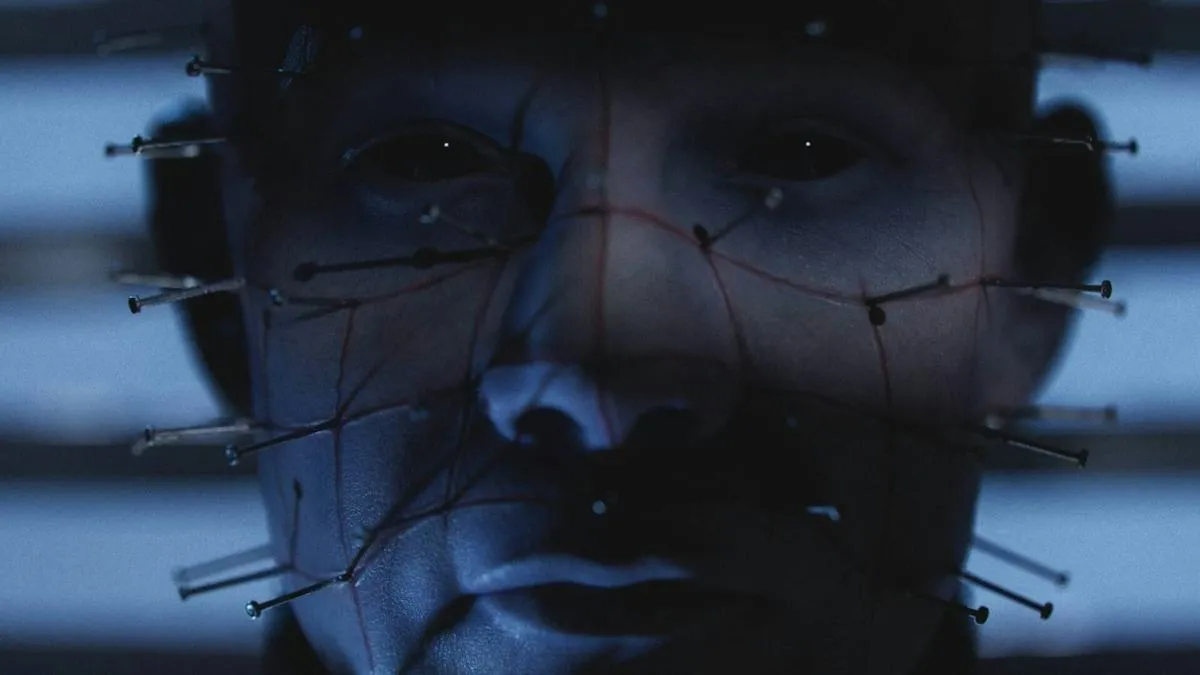
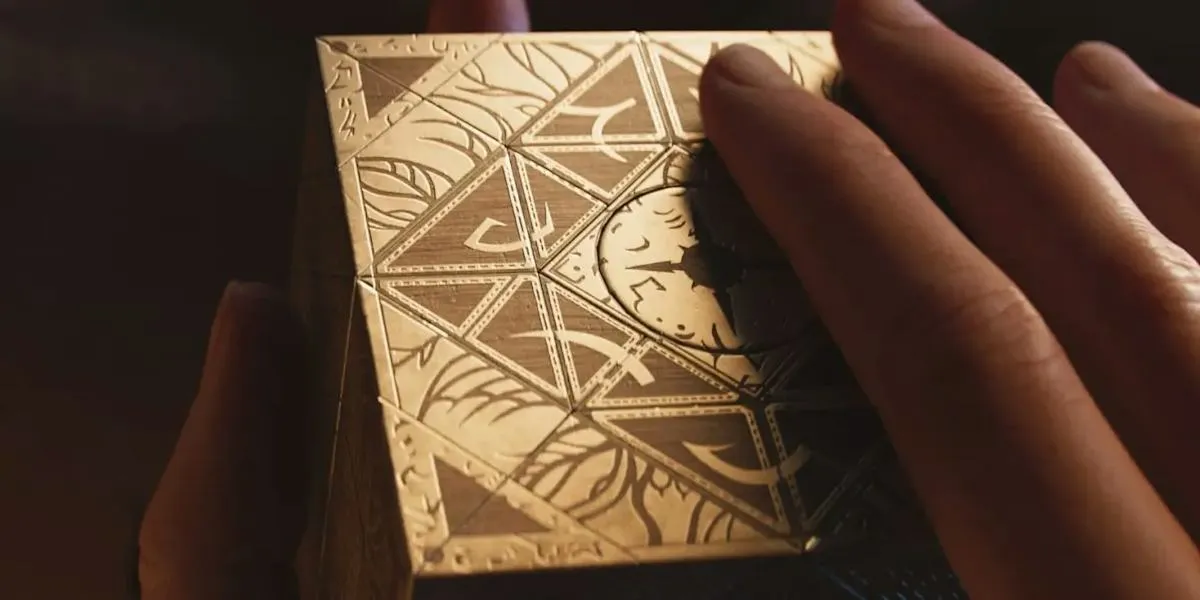
Eleven movies. Nine of them missed the mark. Yet the franchise survived. Pinhead remains a cultural icon, recognizable alongside Freddy Krueger and Jason Voorhees. The Lament Configuration is a classic horror prop. This survival was not due to quality control. It was due to pure brand inertia. The recent slasher-adjacent sequels warped the series. They ignored the original philosophical core. Saber Interactive’s *Hellraiser: Revival* changes the game. It is a direct sequel to the first two films only. It explicitly cuts the canon of everything after 1987. This decision is commercially risky but artistically correct.
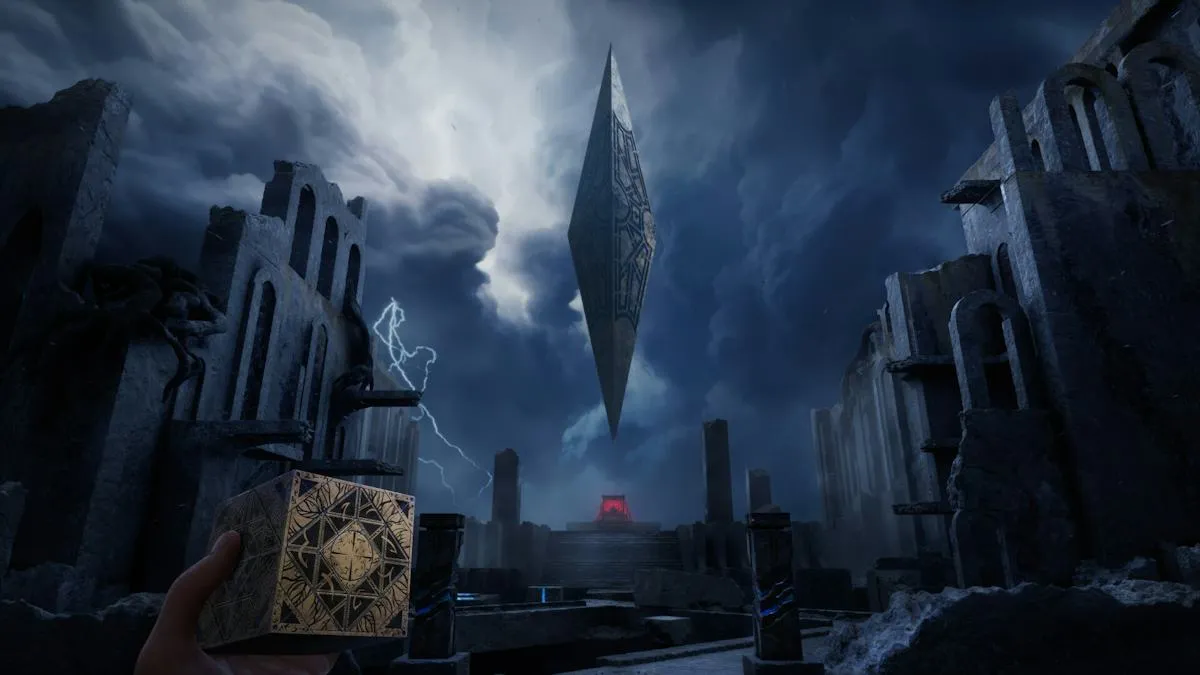
The official narrative emphasizes artistic fidelity. The game’s narrative director, Antony de Fault, states they went back to the “esoteric original vision.” The Cenobites are morally gray explorers of sensation, not simple demons. The Labyrinth represents “Order,” not Hell. This is the surface message. It is a pitch for purists. However, the subtext reveals a different strategy. Saber Interactive did not choose this license randomly. It was one of several options presented to the team. It resonated because of existing fan bases. It also fit their current horror prototypes. The fit was natural, not accidental. The project leverages a “permission slip” for boundary-pushing content.
The second layer of facts involves the studio’s operational reality. Clive Barker was heavily involved in initial ideation but stepped back later. He acted as an approver. This is a common IP licensing structure. It gives the creator a golden handshake without giving him a golden leash. The return of Doug Bradley as Pinhead was low-cost for the studio. He only needed to know Barker was involved. He relished the recording sessions. This is low financial risk for high market impact. Furthermore, they introduced the “Genesis Configuration.” It functions like a plasmid in *BioShock*. It is a tool for combat and puzzle-solving. This moves the game from static lore into active gameplay. It is a commercial necessity.
The final takeaway is blunt. *Hellraiser* is not a healthy IP. It is a zombie franchise with a strong name. The market will not pay premium prices for a new puzzle box. The value lies in the nostalgia of the first two films. Saber Interactive is betting that returning to the “self-destructive sensuality” of the original will unlock new revenue. It is a high-risk, high-reward play. If the game fails to convert fans into buyers, the IP dies for real. The brand has no other lifeblood. It relies entirely on this single resurrection attempt. There is no safety net. The supply chain of horror nostalgia is fragile. This is the test. If it does not sell, the franchise is finished.