

(SeaPRwire) –
Strip away the celebrity gloss and this is a liquidity event for childhood. JOOPITER, Pharrell Williams’ auction house, has opened Pokémon! Manga! Anime!, its first dedicated sale of Pokémon, anime, and manga collectibles. Over 30 lots. Sealed games, rare cards, original cels, scripts, and artwork from Dragon Ball, One Piece, Akira, Sailor Moon, and Naruto. The live auction closes October 28. None of it is priced to move quickly. That is the point. The house is testing whether a generation raised on Saturday morning television will now pay five and six figures to own the physical residue of it.
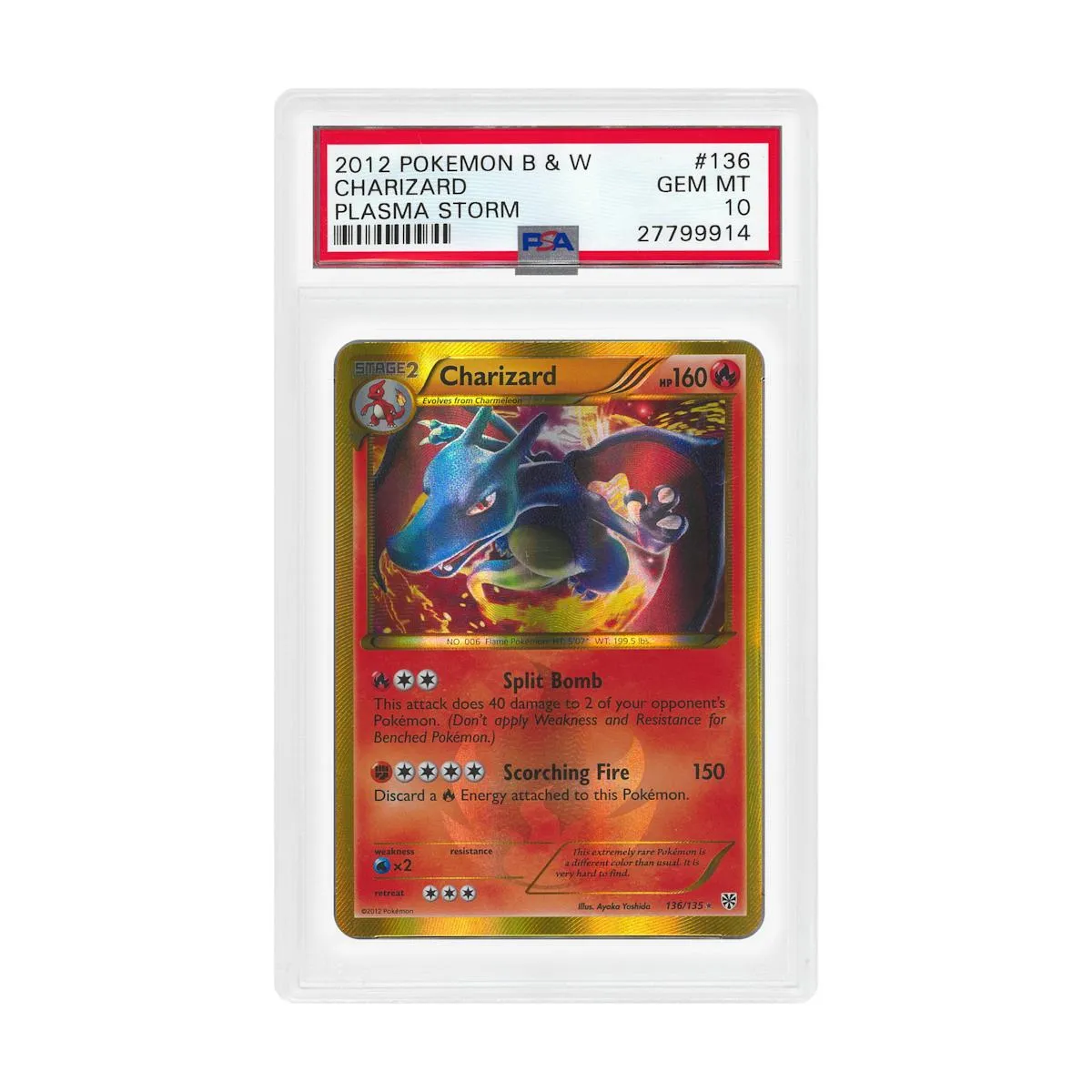
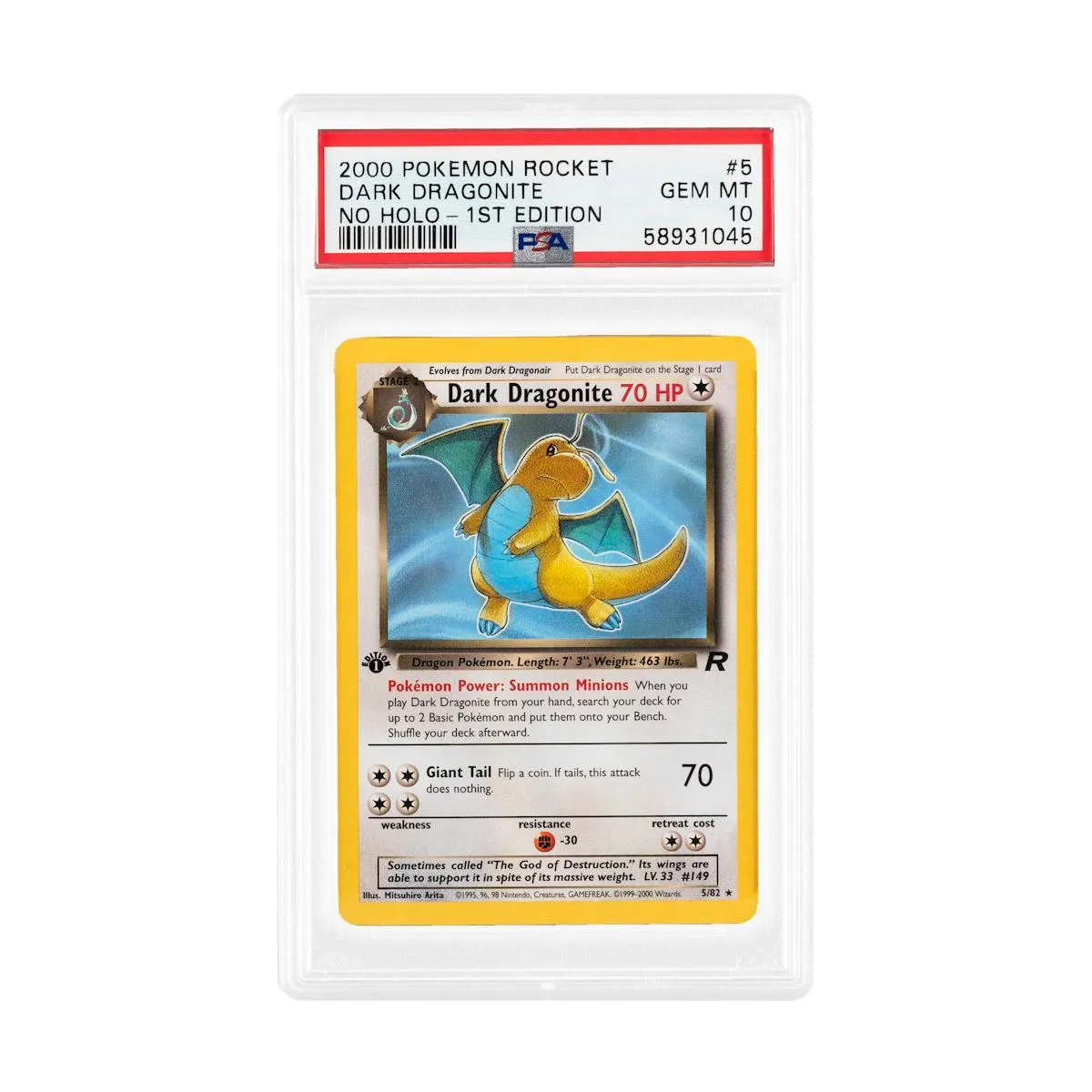
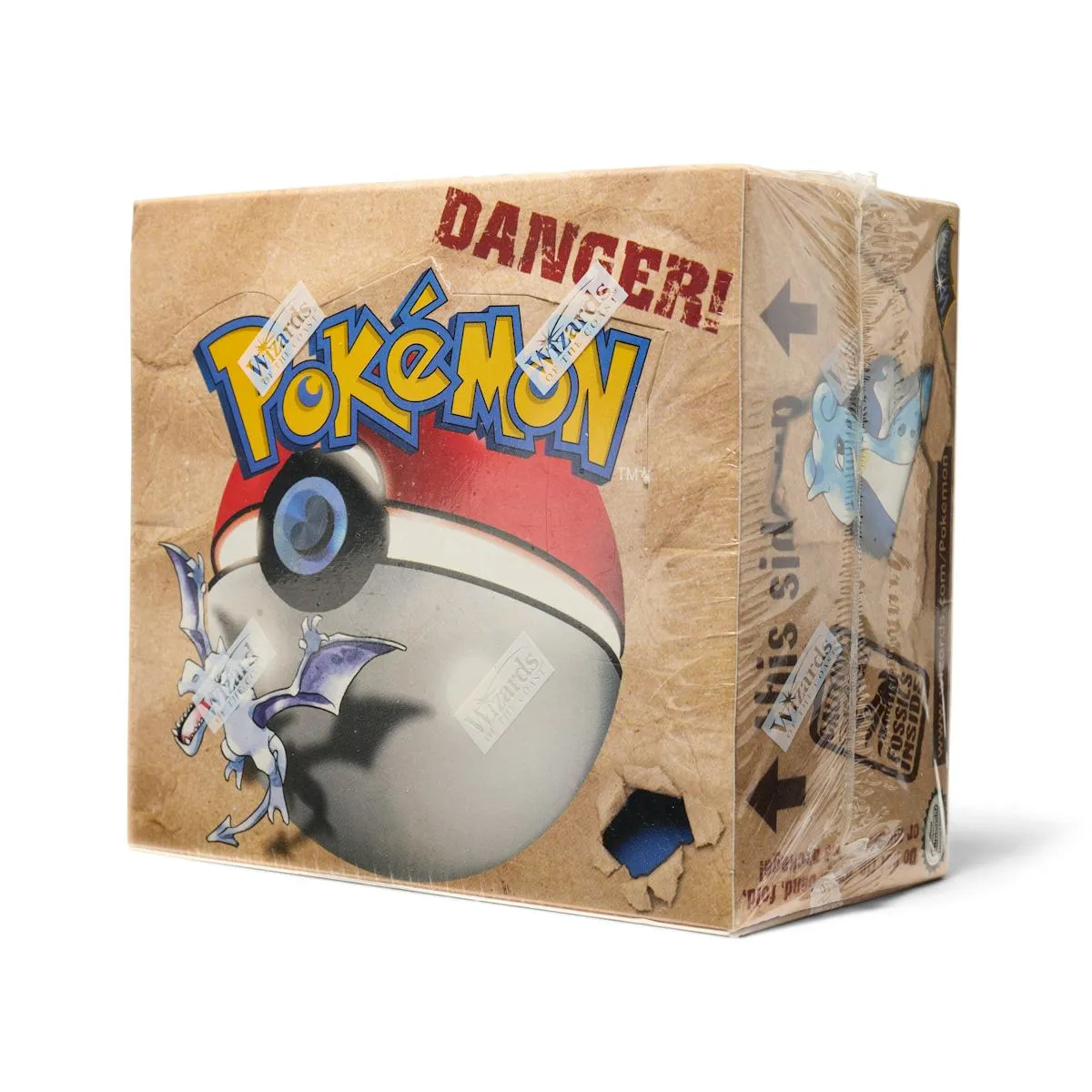
The headline lot is a Wizards of the Coast card numbered as a holo rare but printed without its holofoil. PSA and CGC both recognize it as a “No Holo” error. It is expected to exceed $100,000 and already sits at $50,000. Three factory-sealed booster boxes anchor the middle of the catalog: Fossil Unlimited Edition from 1999, Gym Heroes 1st Edition from 2000, and Mysterious Treasures from 2007. Standing bids have reached $25,000. Buyers are paying for unopened possibility, not contents. A hand-drawn Gengar shikishi trades around $1,500 at the accessible end.
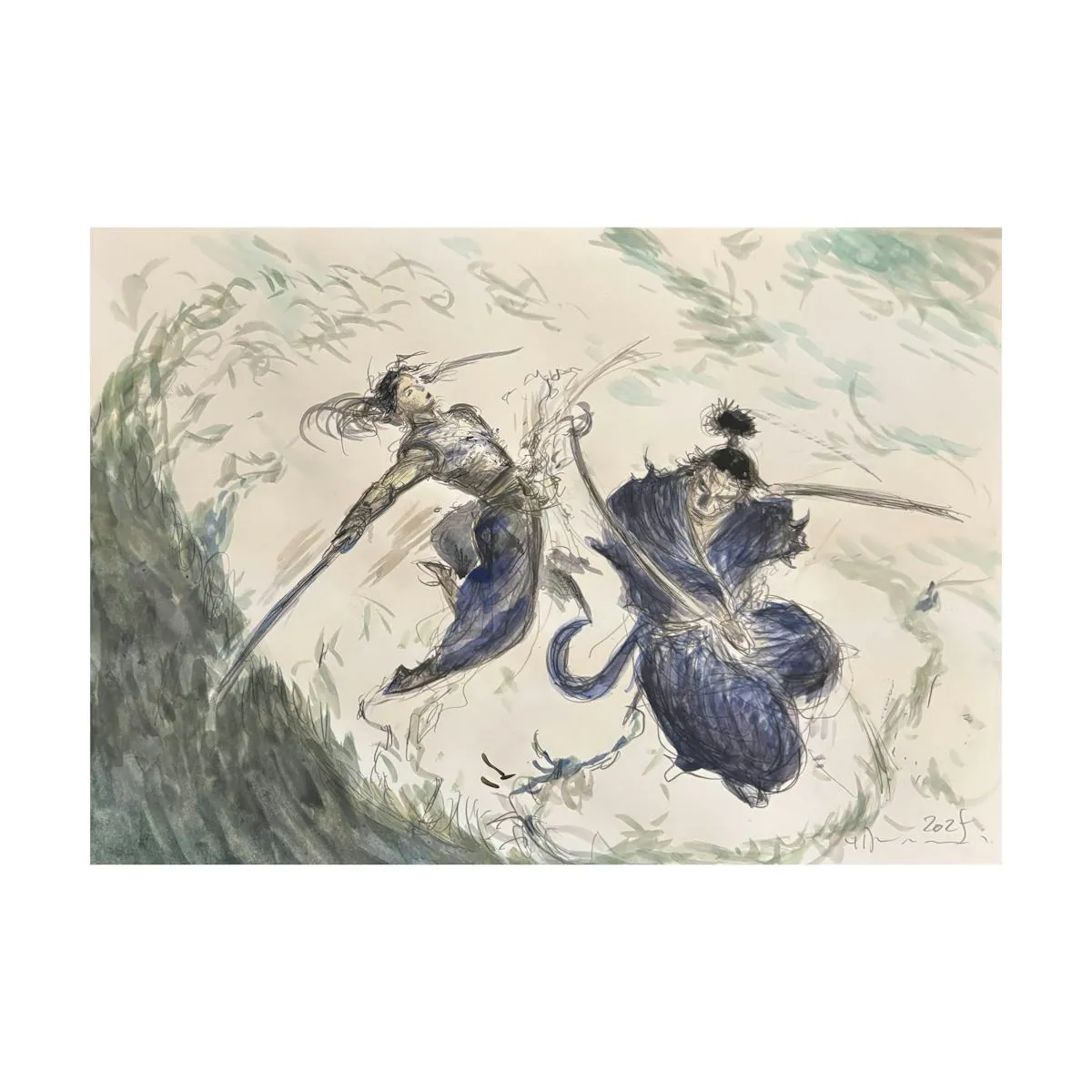
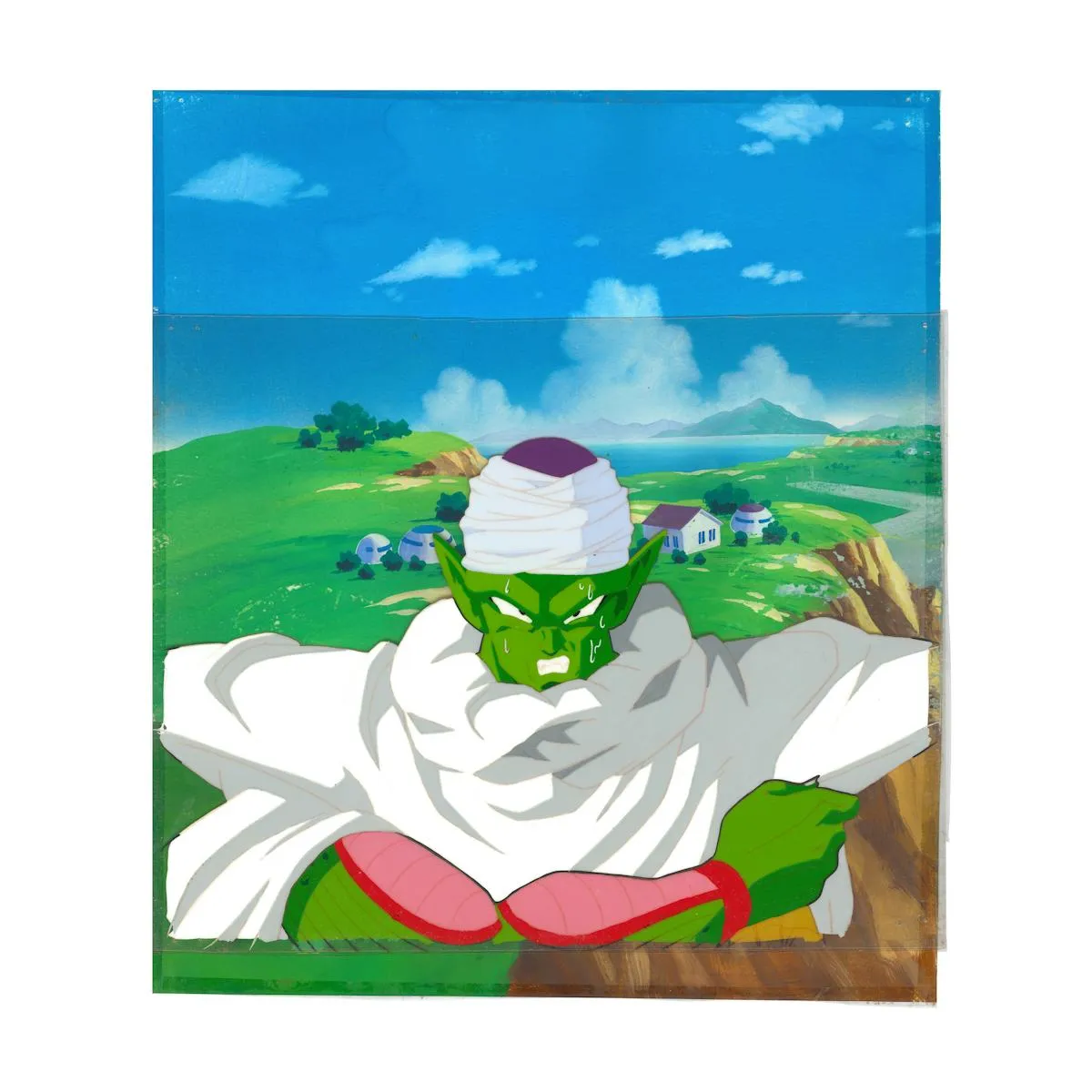
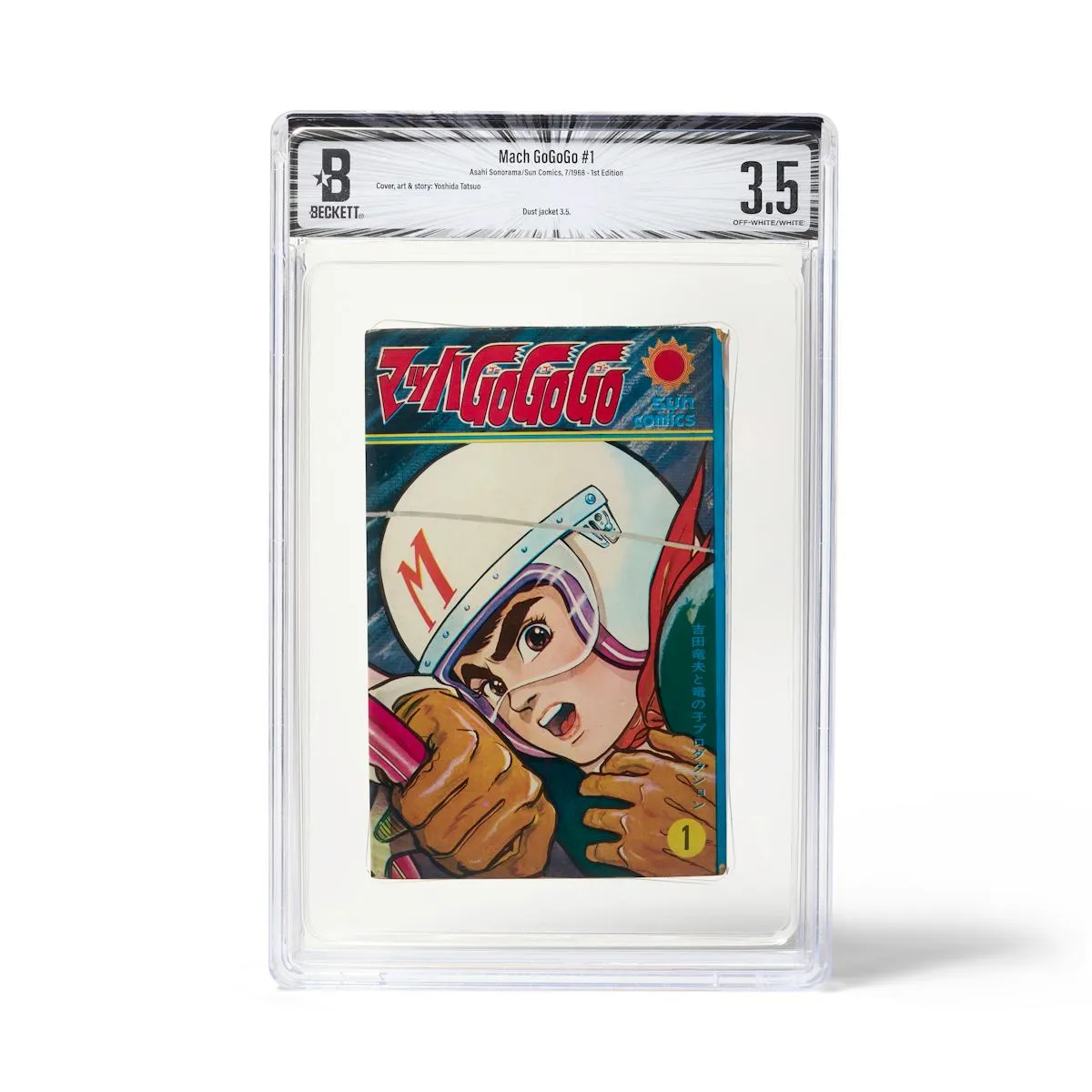
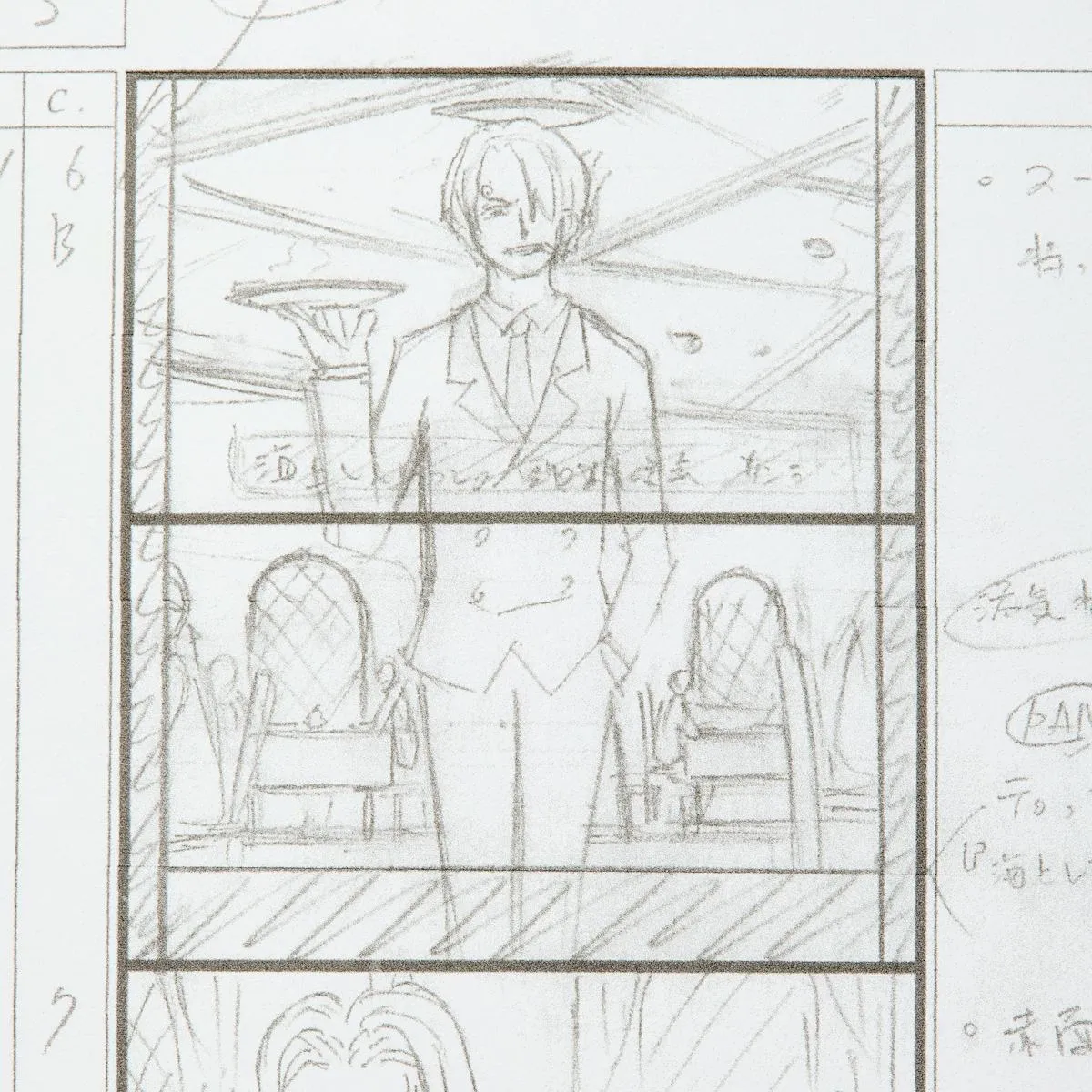
Then comes the animation material, which is arguably the real story. A cel collection includes Dragon Ball GT Super Saiyan 4 Goku and Omega Shenron, representing the end of the hand-painted Dragon Ball era, exactly as it appeared under the camera. Pokémon itself was drawn, inked, painted on celluloid, and photographed by hand for five seasons starting in 1997. There is Sanji’s first appearance from One Piece. There is original hand-painted work by Yoshitaka Amano, the Final Fantasy conceptual artist. And Mach GoGoGo, serialized in Shueisha’s Shōnen Book in 1966 before becoming Speed Racer on television a year later.
Now read this as a market signal rather than a fan event. Traditional auction houses spent years legitimizing sneakers, streetwear, and trading cards as investable categories. JOOPITER is compressing that cycle by fusing celebrity curation with pop-culture provenance. The cels matter because supply is genuinely fixed. Studios destroyed or discarded production material when the industry went digital. Every surviving cel is a non-reproducible artifact with photographic proof of use. Error cards work the same way. A misprint cannot be reprinted into existence. Scarcity here is structural, not manufactured by a limited-edition marketing department.
The competitive angle is quiet but real. Heritage and Goldin built the graded-card pipeline. What they lack is a lifestyle brand wrapped around the gavel. JOOPITER sells taste as authentication. If a bidder trusts Pharrell’s eye, the premium over raw market price becomes justifiable in their head. That margin is the business model. Consignors get a curated stage, the house gets commissions on inflated comparables, and collectors get a story attached to the receipt. Watch whether Sotheby’s or Christie’s respond with their own youth-culture verticals staffed by musicians and designers rather than specialists.
The first house to turn anime production art into a blue-chip category will own a supply of history that can never be minted again.