(SeaPRwire) –
By: Lucas Caldwell
Netflix is quietly pushing back The Witcher’s final season, and the VFX excuse floating around is just window dressing. This isn’t about polishing monster fights or fixing plot holes—it’s a calculated move to tie the show’s end to a bigger, more profitable play. Fans are venting online, but most are missing the real reason behind the delay that’s been hidden in plain sight.
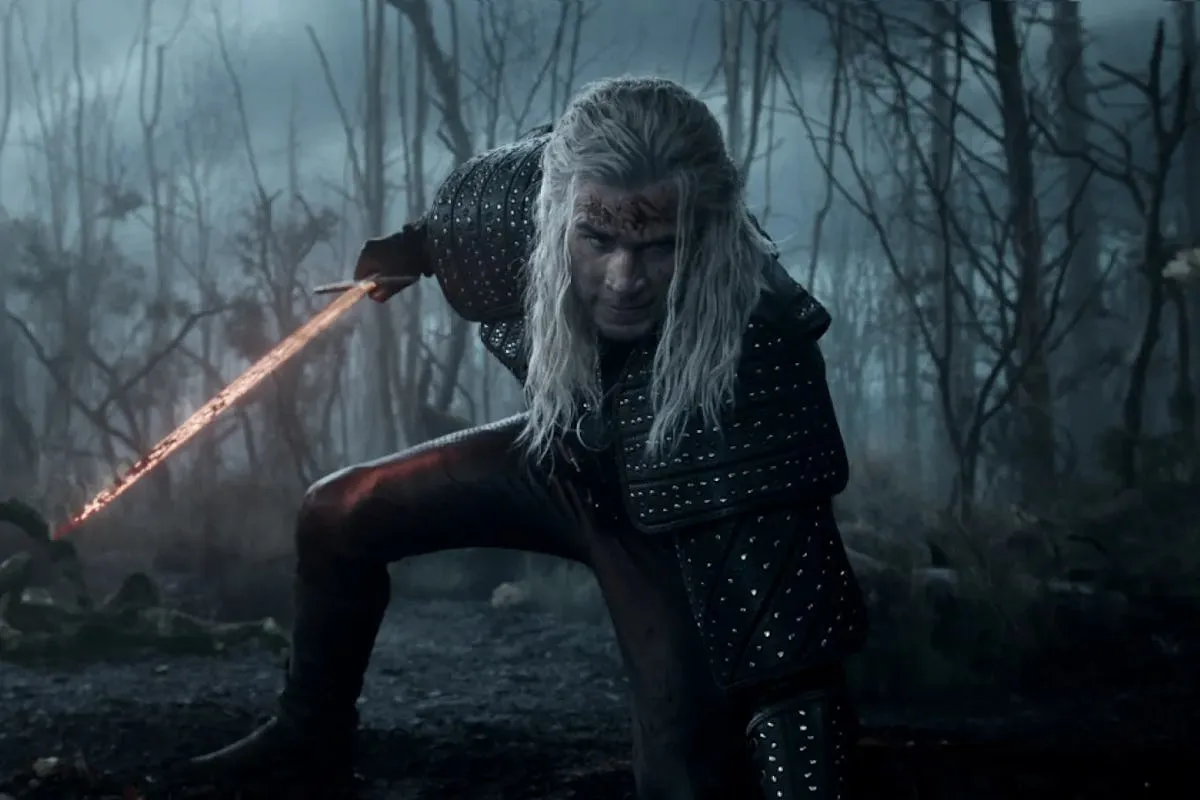
The Witcher debuted in 2019, launching Henry Cavill as Geralt of Rivia and spawning several spin-offs and animated films. Cavill left the show in 2022, and Liam Hemsworth’s take on Geralt in season4 (which dropped in October 2024) wasn’t as well-received. Season5 wrapped filming around the same time as season4, with Netflix initially hinting at a 2026 release.
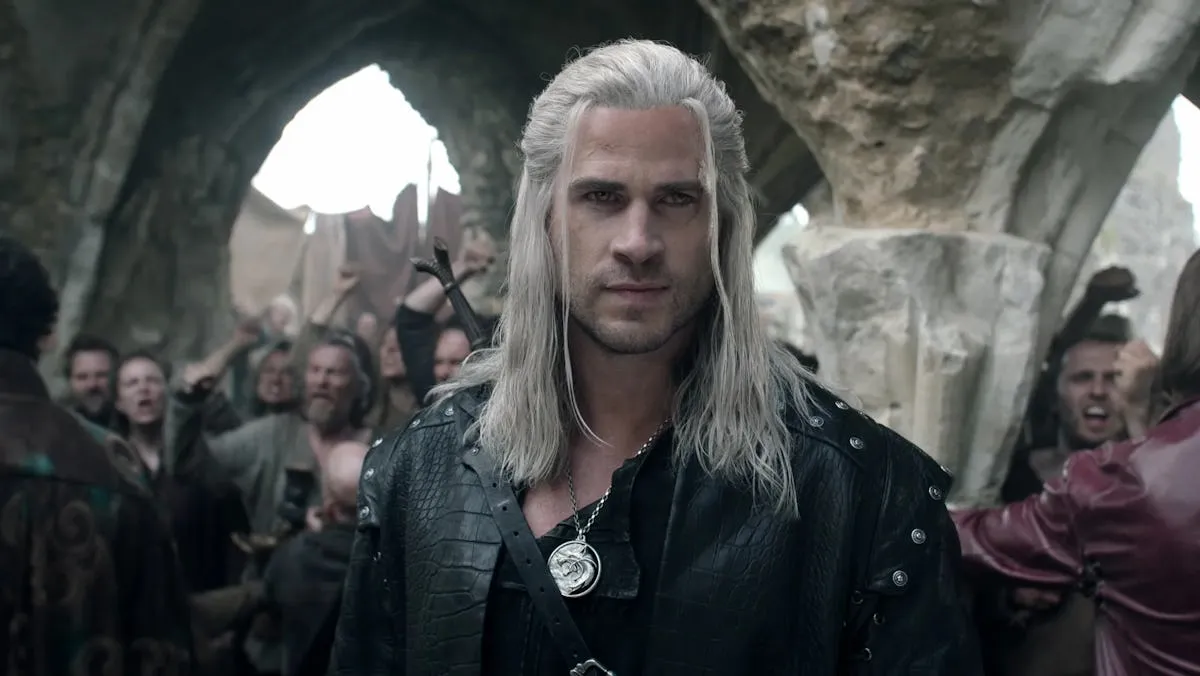
But an August7 article from What’s On Netflix revealed the fifth season is being delayed. The streamer had teased it earlier in 2025 as part of their Next on Netflix campaign, but fans have slowly noticed the show’s presence vanishing from all 2026 marketing materials. No official announcement has been made, but the signs are impossible to ignore.
Netflix has been a major player in video game adaptations—Arcane and Castlevania were massive hits, while their Resident Evil live-action series flopped. They’re not slowing down: live-action BioShock and Persona adaptations are already in the works. This delay fits perfectly into their broader strategy of linking streaming content to gaming IPs.
The Witcher3 is set to get a new expansion in 2027. Aligning the final season of the show with that launch would drive cross-platform engagement—fans of the game will tune into the show to see how it wraps up, and show fans might pick up the game for the new content. It’s a smart way to maximize the value of both parts of the IP.
Netflix will use this Witcher synergy play as a blueprint for all future fantasy franchises, even if it means keeping fans waiting longer than expected.
Author bio: Lucas Caldwell, a tech opinion leader with millions of followers on X/Twitter, analyzes streaming strategy and IP cross-media synergy.