
(SeaPRwire) – By: Robert Kensington
MGM pulled a dirty trick in 1941. They bought the 1931 Dr. Jekyll and Mr. Hyde, locked every print away, and released their own version. The goal was simple: kill the competition. The result was a disaster. Their remake got panned. The original became a legend. This is a textbook case of how a corporate strategy to erase art backfired spectacularly.
Let’s look at the brute force move. MGM paid Paramount $125,000. They got the negative and all rights to the 1931 film and a 1920 silent version. Then they recalled every print from every theater. They locked them in a vault. This was a hostile takeover of a film’s existence. It meant no one could book the original once the remake hit screens. Smart business? Maybe. But it was a cultural crime.
The 1931 version was a pre-code masterpiece. Fredric March won an Oscar for his performance. The film’s standout scene—a single-take transformation from Jekyll to Hyde—was a secret kept for decades. The lighting, the makeup, the acting. It was a triumph. Variety called it “a realized nightmare.” MGM buried that for almost thirty years. Young audiences and scholars couldn’t see it. The film effectively vanished.
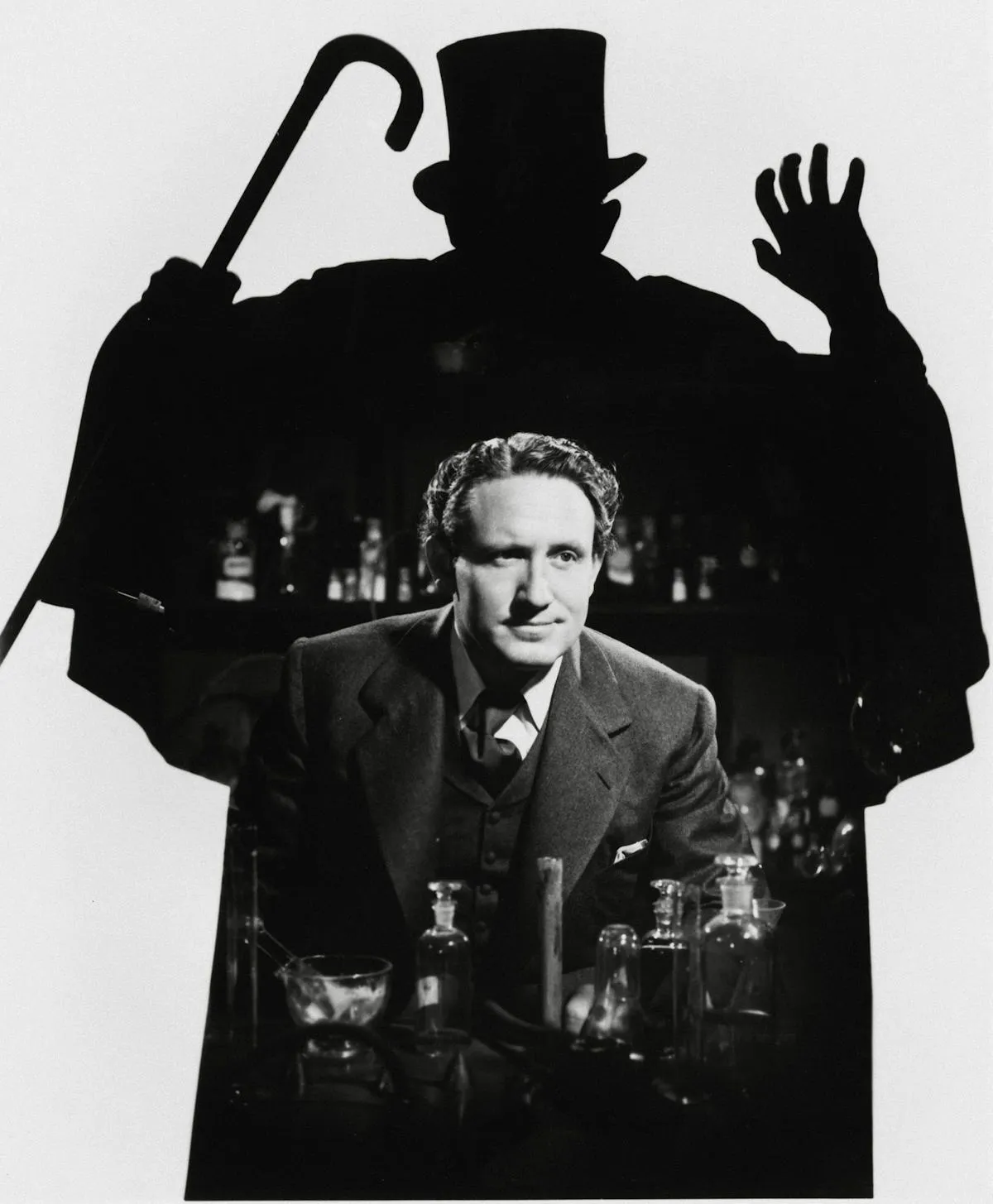
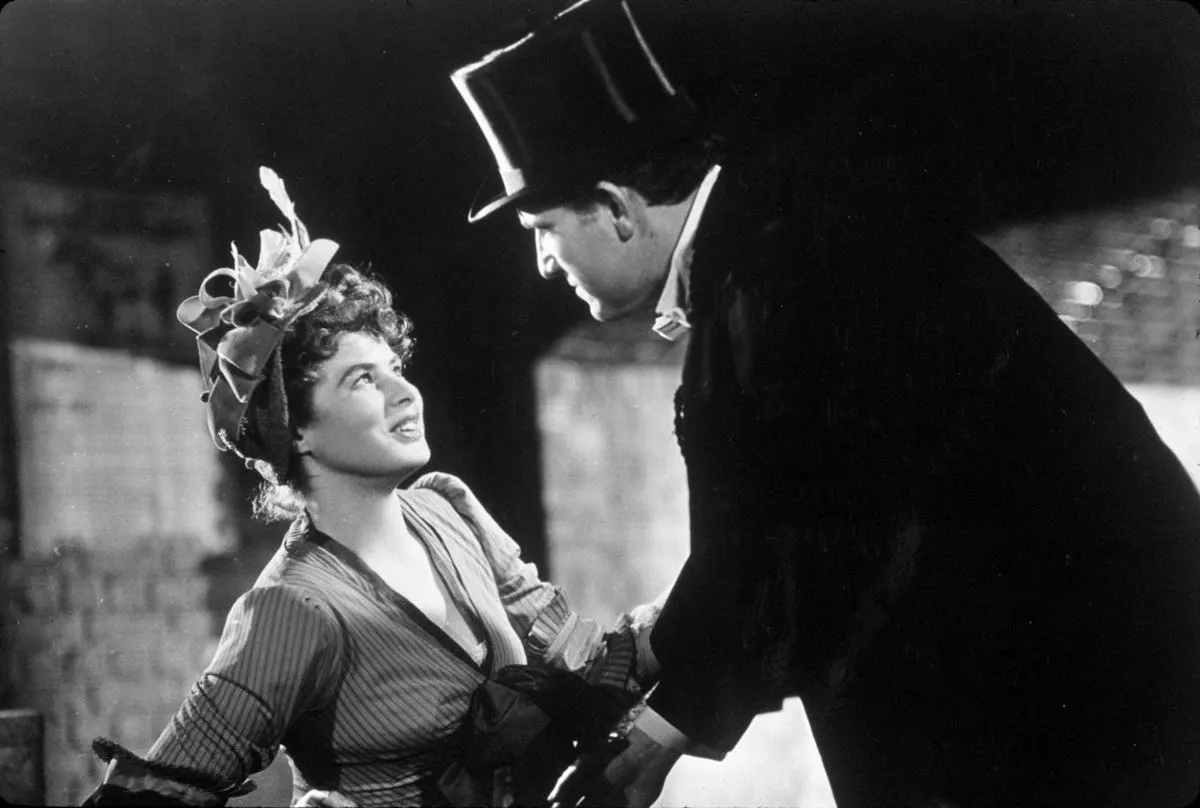
Now, the remake. Spencer Tracy didn’t even want the role. He told MGM he wasn’t right for it. The studio played on his ego. They said if March could win an Oscar in this part, a two-time winner like Tracy could too. That’s a classic Hollywood manipulation. The result? The New York Times called Tracy’s performance “ham rampant.” The film was labeled “hokum” and “a mulligan stew hidden under an expensive souffle.” Film historian Scott Allen Nollen called it “a pretentious, overlong, and dramatically bankrupt imitation.”
The irony is rich. MGM’s suppression worked commercially. But it made the original a holy grail. When prints finally surfaced in the mid-1960s, the 1931 film was hailed as a lost classic. The remake was remembered as a flop. March even called Tracy to compliment him. Tracy replied, “Why Fred, you son of a b*tch, I’ve just done you the biggest professional favor you’ll ever have!” He was right. By being mediocre, Tracy made March’s performance look immortal.
MGM tried the same trick again with *Gaslight*. That time it worked. George Cukor’s 1944 version won seven Oscar nominations and a Best Actress win for Ingrid Bergman. But the *Dr. Jekyll and Mr. Hyde* case is a warning. You can’t erase greatness by locking it in a vault. The market always finds a way to value the real thing. The 1931 film is now available on Blu-ray. The 1941 remake is a footnote. The industry should learn this lesson: suppressing legacy doesn’t protect your product. It just makes the original more valuable.
Author bio: Robert Kensington, an overseas entrepreneurial veteran with decades of experience in real-economy industrial investment and expansion.