(SeaPRwire) –


By: Silas Sterling
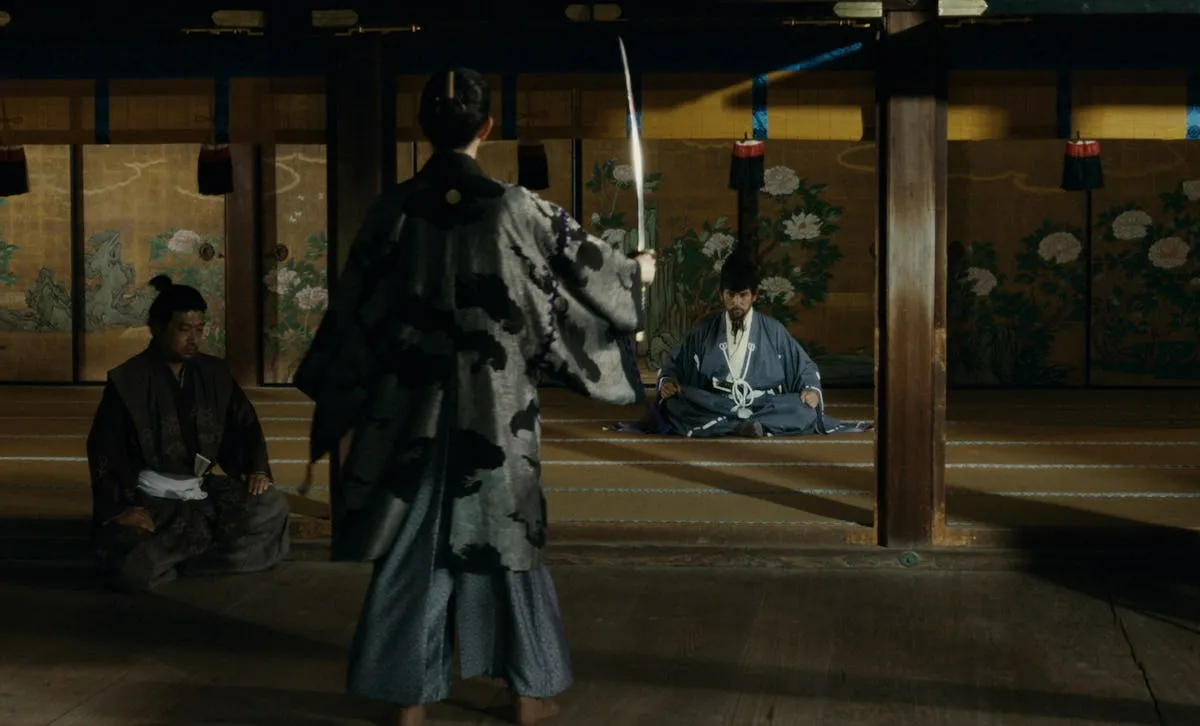
The marketing machine has a neat little box for Kiyoshi Kurosawa’s latest film. It bills *The Samurai and the Prisoner* as 2026’s most surprising murder mystery. It leans hard on whodunit comparisons to Agatha Christie. It name drops Kurosawa’s J-horror legacy on *Pulse* and *Cure* to pull in genre fans. Early chatter from New York and Cannes premiere crowds tells a different story. Fans aren’t leaving the theater talking about twist reveals. They don’t fixate on gotcha culprit unmaskings. They talk about the slow, crushing weight of feudal political pressure. They talk about the quiet rebellion of choosing to walk away.
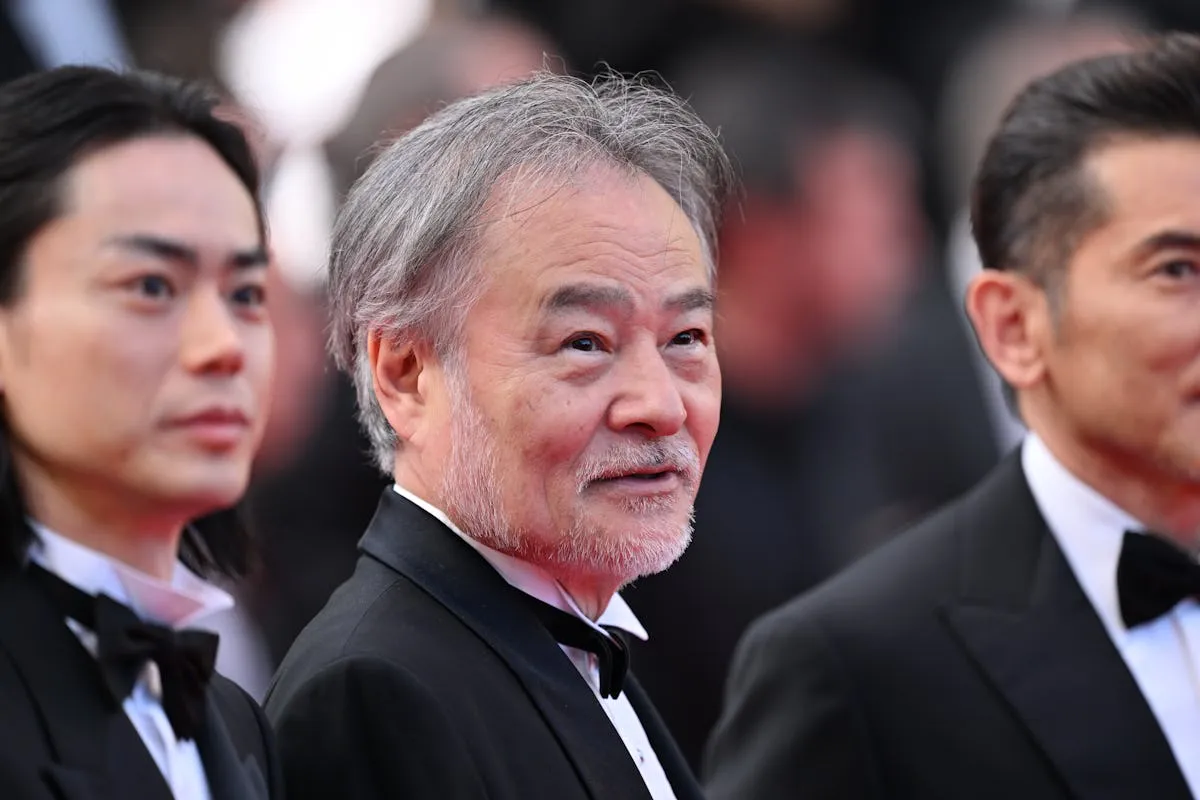
Kurosawa spent years curious about Araki Murashige. The 16th century feudal lord has long been written off as a coward. He rose to great power under Oda Nobunaga. He launched a rebellion, then holed up in his castle for 10 months. He abandoned his post entirely with no surviving public explanation. History labeled him a traitor, a weakling who fled battle. Kurosawa long suspected the choice was not cowardice. He guessed it came from an impossible, unrecorded set of pressures. His producer brought the novel to him unprompted. Kurosawa had no idea the book centered the exact figure he’d studied for years. The book, by Honobu Yonezawa, had already won major literary awards. The project became his first ever jidaigeki, or premodern period piece. He knew the film faced accessibility barriers. It uses archaic Japanese speech. It leans on specific 16th century political context. Even domestic Japanese audiences might struggle to follow along. He feared American viewers would be completely lost. The New York premiere reception caught him completely off guard. Crowds responded with raucous, unreserved praise. He left the theater reflecting on the basic power of filmed storytelling. That power cuts across gaps in language and historical knowledge.
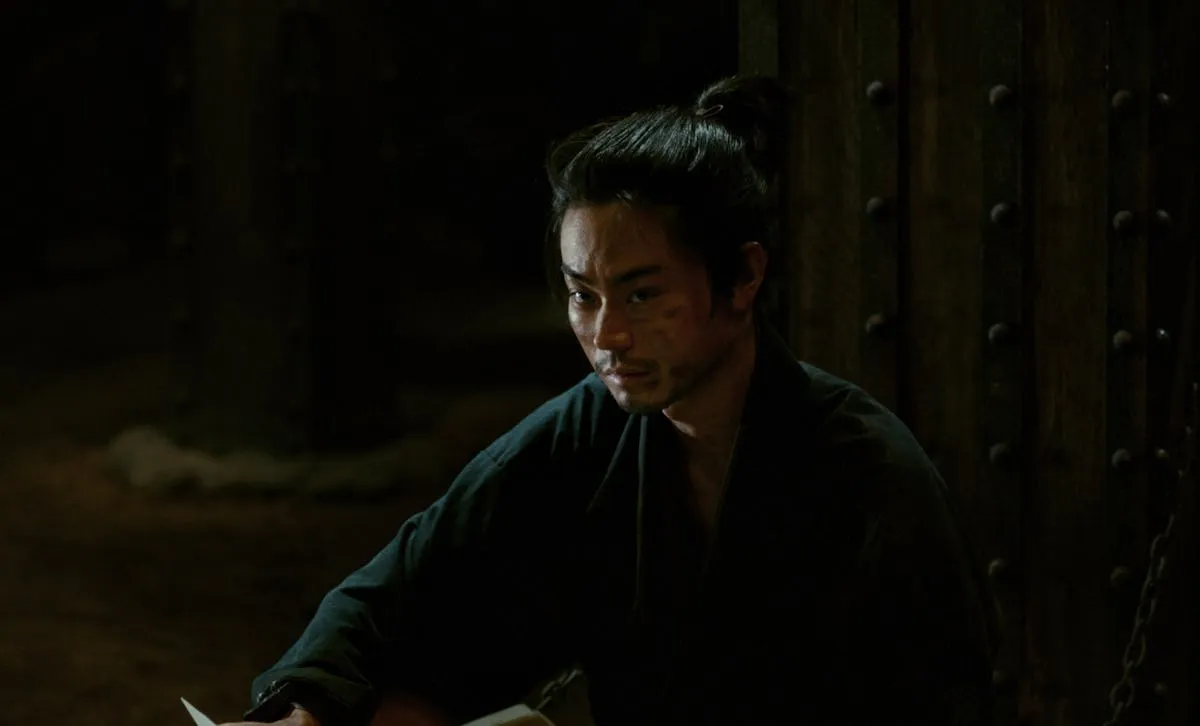
Kurosawa rejects the murder mystery label entirely for the film. He sees the standard whodunit structure as a poor fit for cinema. Most mysteries frontload all key action in the past. They rely on flashbacks, exposition dumps, and final detective monologues. That structure does not pull viewers forward in time. It forces viewers to look backward, to piece together old events. Traditional mystery structure treats time as a puzzle to be unpacked. Kurosawa treats time as a pressure cooker, building steadily to a breaking point. He did not set out to subvert mystery tropes for clout. He simply chose the structure that felt most honest to the story. Kurosawa built his film to move relentlessly forward. It tracks every slow, tense week leading up to Murashige’s final choice. He kept the novel’s four-season chapter structure to mark passing time. The 10 month siege unfolds across shifts in weather and foliage. He avoided clunky, obvious time jumps. Masaki Suda plays an emissary turned prisoner. The character becomes Murashige’s unlikely ally as deaths rock the castle.
The string of castle deaths does eventually trace to a source. Murashige’s wife Chiyoho orchestrates the strange events. Her goal is to dismantle the brutal samurai maxim that frames retreat as eternal damnation. She embodies the film’s quiet tension between rigid tradition and unruly modern thought. That core theme cuts directly against the logic of streaming content algorithms. Platforms tag every piece of media with rigid genre labels. They serve up content that fits pre-built user profiles. They tweak categorization to maximize watch time, just as enterprise vendors tweak pricing to lock in customers. They would never slot a slow period drama about moral courage to mystery fans. They would never serve a J-horror director’s period piece to viewers who avoid subtitles.
Kurosawa was shocked American audiences embraced the film so fully. He expected the historical and language barriers to shut viewers out. What he forgot is that people do not need pre-labeled boxes to feel a story. They do not need an algorithm to tell them what genre a film fits before they watch it. They can recognize the weight of impossible choices, no matter the century or language. The only thing holding cross-cultural storytelling back is the corporate need to sort every piece of art into a sellable bucket.
Author bio: Silas Sterling, veteran open-source kernel contributor and editor-in-chief of an independent open-source security digest, covering the intersection of tech, geek culture, and digital media curation.