

(SeaPRwire) – By: Lucas Caldwell
Fifty years into the Star Wars franchise, the lightsaber remains the most unstable asset in any Hollywood IP portfolio. Lucasfilm just dropped a new animated series that treats the weapon not as a static prop but as a narrative variable. Kenji Kamiyama created The Ninth Jedi. He borrowed the Japanese philosophy of the katana. He applied it to a sci-fi laser sword. The sword reflects the spirit of its wielder. This reframes a half-century of visual shorthand into something fluid and psychologically driven. It is a bold editorial bet on a tired franchise.
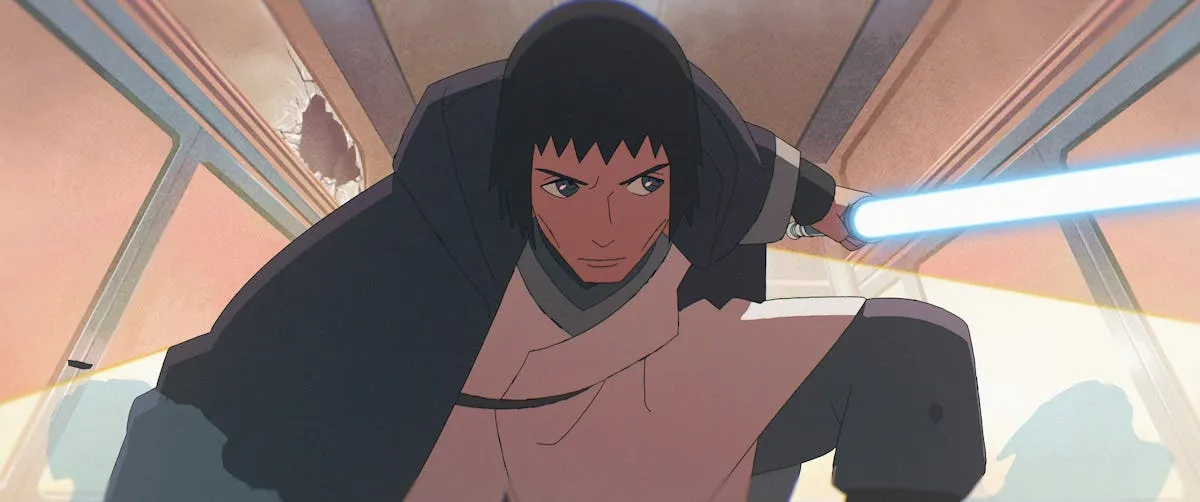
The Ninth Jedi hit Disney+ on August 5, 2026. The series centers on Kara, a young Force-sensitive warrior. Her lightsaber shifts color based on her emotional state. Green signals alignment. Red signals a slide toward revenge and darkness. A clear or silver blade marks spiritual void. The series never claims all lightsabers function this way. The narrative strongly implies this is how they should have always worked. Kamiyama told Inverse that the Japanese sword is never just a weapon. It carries the mind of the forger and the spirit of the user. This cultural translation drives the entire plot.
The series also flips the color coding of its antagonist. General Nawaam wears Kylo Ren-style armor yet carries a blue lightsaber. The blade stays blue because Nawaam genuinely believes he is doing the right thing. He thinks of himself as the hero. Meanwhile, Kara’s lightsaber starts green. It turns red during a revenge spiral. It briefly becomes a silver blade of nothingness. It finally returns to green. This progression mirrors her internal arc. In Revenge of the Sith, Anakin wields a blue blade even after becoming Darth Vader. The kyber crystal bleeding concept simply did not exist yet. The Ninth Jedi retroactively resolves that inconsistency.
Disney has spent over a decade stitching together a sprawling canon from disparate sources. The Clone Wars animated series introduced the kyber crystal lore. The Acolyte visualized lightsaber bleeding on screen for the first time. Each new project creates fresh contradictions. Franchise managers face a constant game theory problem. They must honor legacy material while making the IP feel fresh for new audiences. The Ninth Jedi sidesteps the contradiction entirely. Rather than explaining why Anakin’s blade never bled, it expands the rules. Now the lightsaber reflects self-perception. Moral alignment no longer determines the blade color alone. A villain who believes he is good keeps a blue blade.
The concept traces back to a 2021 Star Wars: Visions short. That anthology series first experimented with non-canon lightsaber mechanics rooted in Japanese aesthetics. Disney has now promoted that framework into official canon through a full series. This is a textbook case of franchise IP recycling. Failed or experimental concepts get rebranded as canonical truth years later. The strategy reduces creative risk while making the franchise appear constantly evolving. Japanese cultural elements around the katana give the series a distinct visual identity. It differentiates The Ninth Jedi from every other Star Wars production. The studio converts experimental ideas into permanent canon assets.
Lucasfilm now holds the keys to a lightsaber mythology. It can justify nearly any future creative choice. The color-shifting mechanic absorbs past inconsistencies rather than resolving them cleanly. Every franchise that ages past thirty years encounters this problem. The universe grows too large for internal logic to survive intact. Lucasfilm chose to expand the rulebook rather than apologize for contradictions. It is a pragmatic move by a studio that knows its audience will accept almost any lightsaber color. The sword still ignites with that familiar hum. Disney will next release lightsabers that shift shape.
Author bio: Lucas Caldwell, a tech opinion leader with millions of followers on X/Twitter, tracking franchise IP strategy, platform economics, and the convergence of pop culture with digital media distribution.