
(SeaPRwire) – By: Logan Pierce
HBO is executing a calculated franchise closure play with House of the Dragon. The showrunner admits the fourth season represents a hard stop. Eight episodes carry the weight of wrapping the Dance of Dragons. This is not creative ambition. It is a platform strategy calculation. Streaming platforms are learning that prestige content franchises have finite shelf lives. HBO renewed Season 4 back in 2025, months before Season 3 even aired. That timing matters. It signals internal confidence in subscriber retention through the production gap.
The production timeline tells its own story about streaming content economics. Showrunner Ryan Condal confirmed scripts were essentially complete by July 2026. Production will not begin until early 2027. He compared the schedule to a Jenga tower. That metaphor is telling. Prestige television production remains a logistical nightmare, especially when dragon effects and period sets are involved. The last three seasons followed a roughly annual release pattern. Season 3 hit in 2026. Season 4 points toward a summer 2028 premiere window. Two years between seasons has become the new prestige norm.
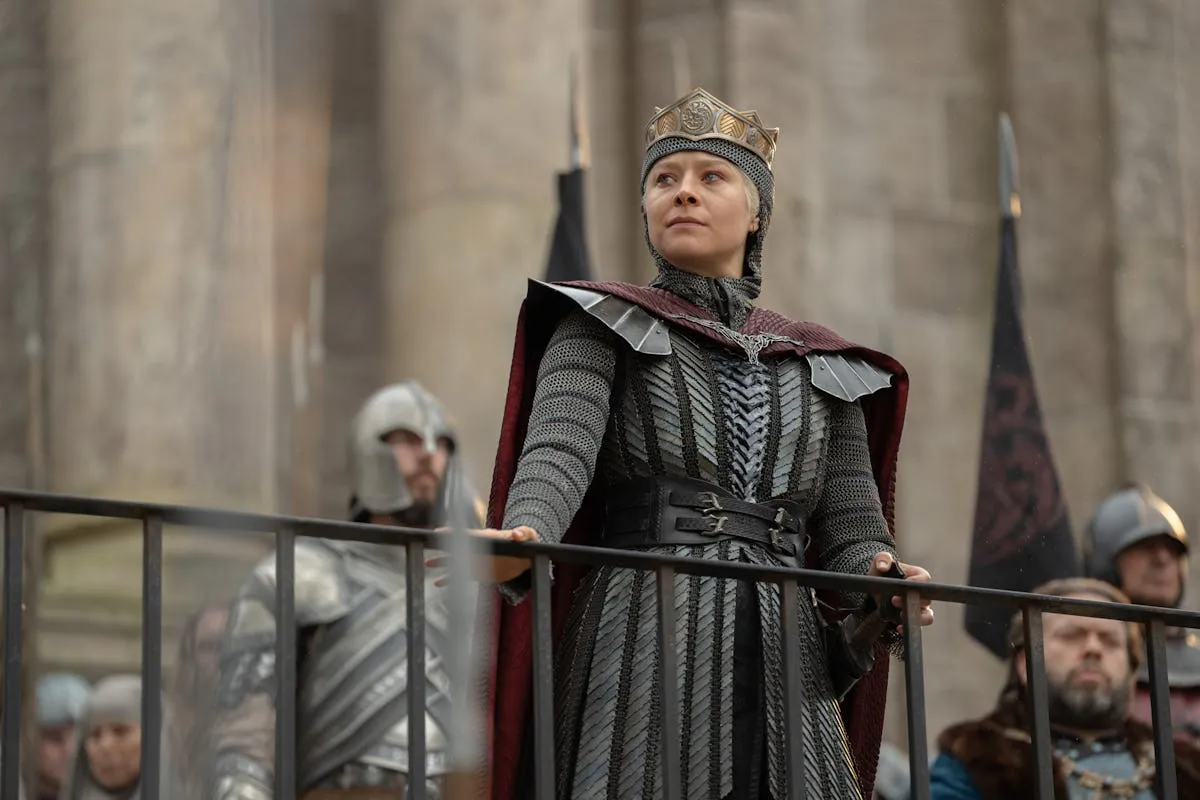
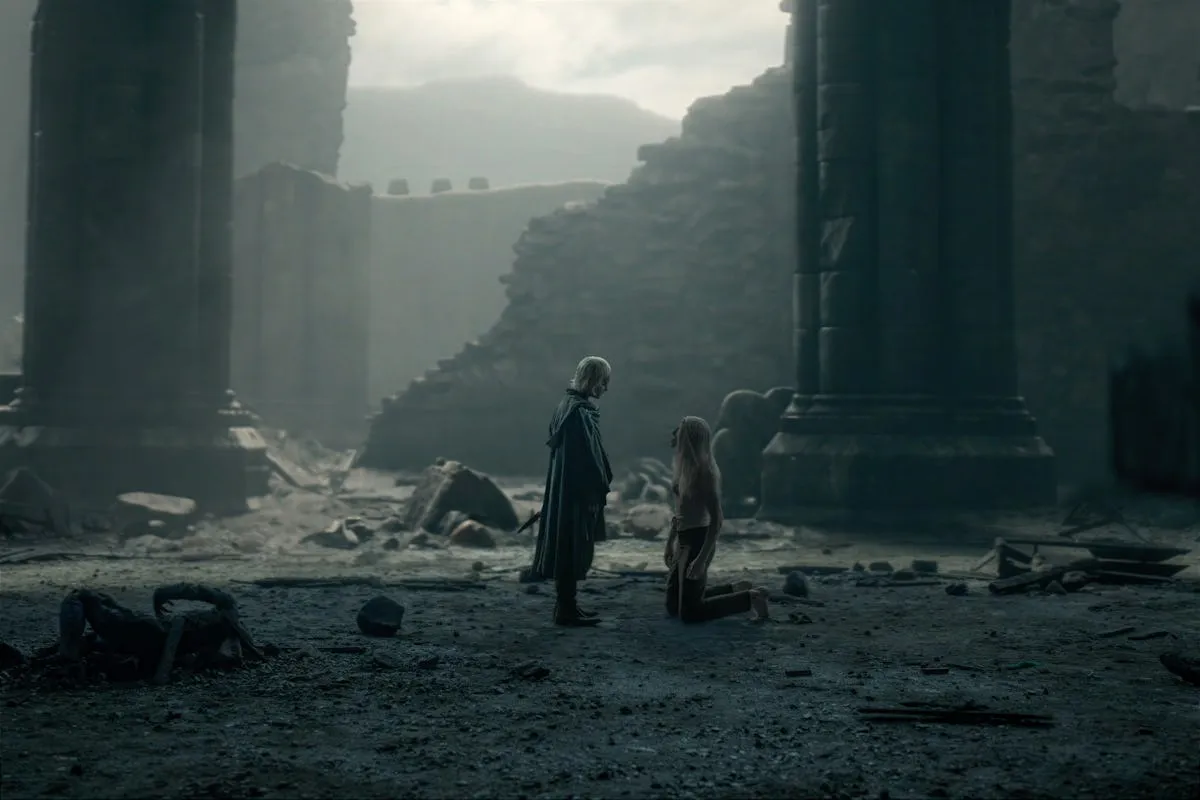
The narrative stakes in Season 3 set up a compressed final act. Rhaenyra declared herself the Prince Who Was Promised in the Season 3 finale. Aegon II returned from the dead with Sunfyre. Daeron Targaryen remains a third claimant. Condal wants an ending that is totally inevitable but completely surprising. Eight episodes is tight for three-way succession conflict resolution. The show is cutting its ensemble. Multiple characters fell in Season 3. This mirrors a broader industry pattern where franchises shed supporting cast to reduce per-episode costs while concentrating investment in lead performances.
The wider streaming landscape makes House of the Dragon a retention asset for Max. Prestige content franchises carry cultural relevance that algorithmically generated content cannot replicate. But the two-year gap between Season 3 and 4 creates vulnerability. Viewers forget plot details between episodes. Subscriber loyalty erodes during production windows. Condal’s promise of wistful open-endedness despite a definitive ending reflects platform anxiety about what comes next. He wants viewers yearning for more in a good way. That wording is telling. It acknowledges the franchise cannot extend past eight episodes without burning the IP. HBO is betting that eight hours of television is enough to convert casual viewers into long-term subscribers before the next HBO tentpole arrives.
The Jenga tower metaphor Condal uses deserves more attention than press coverage gives it. Fantasy television at HBO scale requires coordinating hundreds of crew, multiple dragon VFX vendors, and locations across multiple countries. Every delay cascades. The scripts being locked by mid-2026 with filming starting in early 2027 leaves a nine-month pre-production window. That window absorbs casting confirmations, set construction, and visual effects pipeline setup. It also absorbs whatever budget negotiations occur between HBO and talent for what will be the final season. Final season premiums are real. Contracts for lead actors like Emma D’Arcy and Tom Glynn-Carney carry backend stakes that grow with each production cycle.
House of the Dragon will end in summer 2028, and HBO will have to decide within a year whether that franchise closure creates a revenue bridge or a content void on Max.
Author bio: Logan Pierce, an independent business researcher and corporate governance writer on Medium who covers entertainment media strategy and streaming platform economics.