


(SeaPRwire) –
The comic book industry has long struggled with the tension between legacy continuity and the desperate need for radical reinvention to capture modern, casual audiences. DC Comics stands at the epicenter of this perennial dilemma, where the corporate drive to reset the narrative landscape often clashes with the deep-seated affection fans hold for established canon. Historically, the publisher has oscillated between expanding its multiverse and executing massive, universe-wide resets to simplify decades of convoluted lore, a pattern that began with the legendary 1985 “Crisis on Infinite Earths” event, which folded the multiverse into a single timeline. By the early 2010s, the sheer weight of fifty-two alternate Earths and decades of complex history had once again alienated potential new readers, creating a sales bottleneck that demanded a radical solution. Fifteen years ago, in 2011, the company faced a precipice of declining sales and overwhelming narrative fatigue, a crisis that demanded a seismic, albeit messy, intervention. The anxiety surrounding intellectual property management in the modern streaming and cinematic age remains palpable, as media conglomerates seek versatile, easily digestible entry points for multibillion-dollar franchises. The New 52 reboot emerged as a desperate, high-stakes gamble to streamline the DC universe, yet its legacy remains a study in the brutal trade-offs of corporate narrative engineering and the constant pressure to prioritize market expansion over comic book purity. The shift toward digital publishing platforms during this era only amplified the urgency, as publishers realized that a clean slate was essential for driving digital subscription engagement and attracting a younger, tech-savvy demographic. In the long run, the struggle to balance old lore with new entry points is not just a creative challenge, but a fundamental business model. Publishers must decide whether to cater exclusively to the hardcore collector base or to make bold, sometimes controversial, moves to expand the market share. The New 52 was the ultimate expression of this corporate dilemma, a bold bet that paid off in some areas while leaving scars in others.
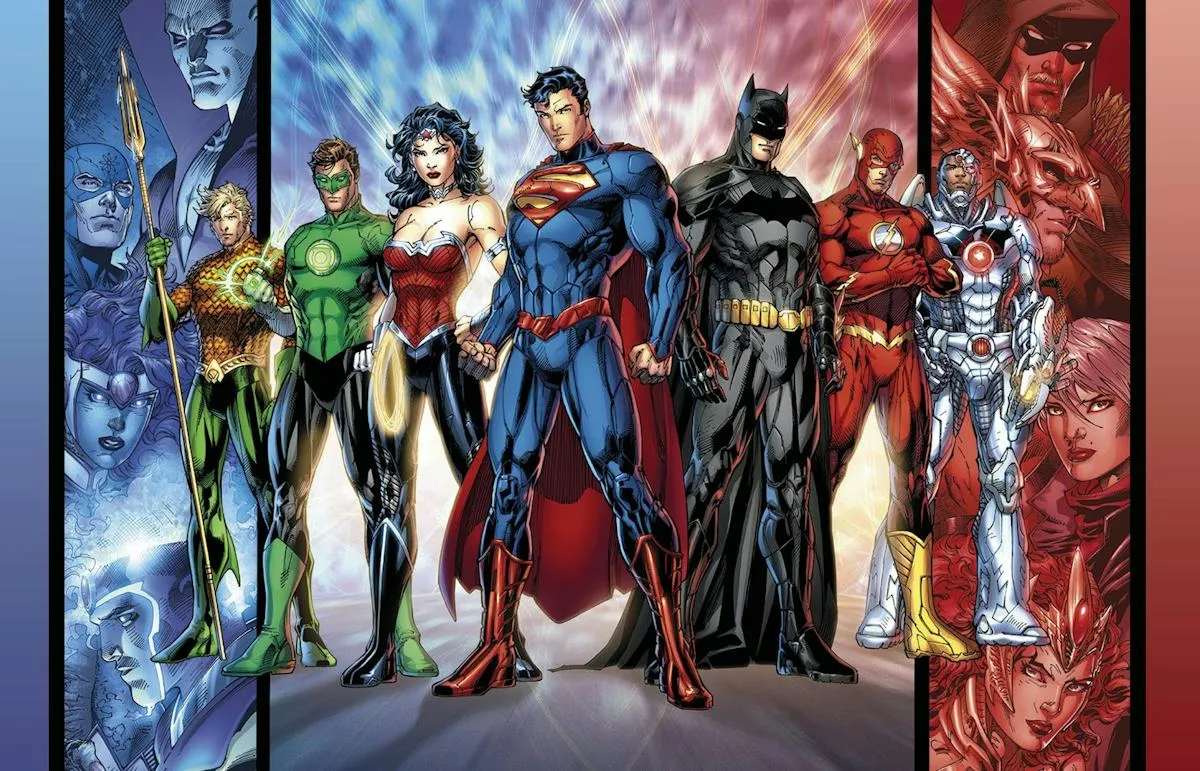
In 2011, DC Comics executed the “Flashpoint” storyline, a narrative device wherein Barry Allen, the second Flash, traveled back in time to save his mother, inadvertently rupturing the timeline and paving the way for the New 52 relaunch. This initiative was intended as a soft reboot, resetting the continuity of the entire universe while preserving select iconic milestones like the Death of Superman and Jason Todd’s resurrection, which had occurred decades prior. The relaunch scrubbed or altered numerous backstories, placing Superman in a relationship with Wonder Woman instead of Lois Lane, and reshaping the Justice League’s origins to feature Darkseid as their first adversary, with Cyborg replacing Martian Manhunter as a founding member. The timeline was condensed so that superheroes had only begun to appear in the last five years, and Barbara Gordon recovered from her paralysis to return as Batgirl. While some changes, such as promoting Cyborg to a core League member and Geoff Johns’ acclaimed reinvention of Aquaman as a serious, complex monarch, were celebrated, others drew severe backlash. Critics decried the objectification of Starfire in “Red Hood and the Outlaws,” the erasure of fan-favorite Batgirl Cassandra Cain, and the marginalization of the broader Flash family legacy to make Barry Allen the sole hero to hold the mantle. Amidst this turbulent sea of reinterpretations, writer Scott Snyder and artist Greg Capullo delivered a masterpiece in the form of the “Court of Owls” storyline, establishing a shadowy, ancient cabal of Gotham’s elite who manipulate the city through their undead assassins, the Talons, from behind the scenes. This five-year run became the gold standard of the era, offering a fresh, modern take on Batman that respected the character’s core themes while pushing the boundaries of the genre. The narrative’s focus on psychological horror and political conspiracy resonated deeply with readers, proving that comic books could still deliver sophisticated, mature storytelling. The transition from the classic continuity to the New 52 was not just a narrative shift, but a massive logistical operation involving dozens of creative teams across multiple titles. The sheer scale of the relaunch, with eleven Batman-related titles alone, demonstrated the publisher’s commitment to making Batman the cornerstone of their new universe. This concentrated effort allowed for a level of thematic consistency that is rare in comic book publishing, creating a cohesive vision for the character’s future.
The commercial implications of the New 52 era extend far beyond the pages of monthly comic books, directly shaping the visual and narrative architecture of modern blockbuster cinema. The success of Snyder and Capullo’s dark, institutional corruption themes in the “Court of Owls” and “Zero Year” arcs provided the blueprints for Matt Reeves’ cinematic reimagining of the Dark Knight, proving that gritty, character-driven noir is the most viable path for translating comic book IP to the big screen. The first film’s climax borrows heavily from the “Zero Year” storyline, which involves the Riddler flooding Gotham City to inspire lawlessness and chaos, while the upcoming sequel is rumored to adapt the Court of Owls, continuing the first film’s emphasis on institutional corruption and class division. Beyond the Batman films, the New 52’s depiction of the Justice League became a major inspiration for Zack Snyder’s DCEU and was adapted into multiple animated films. For all the criticism, the New 52 gave fans one of the most creatively adventurous periods of Batman in recent memory, including iconic arcs like “Death of the Family,” where the Joker tries to kill off the Batfamily, and “Superheavy,” where Commissioner Gordon temporarily becomes Batman with the aid of a militarized suit. As the industry moves toward an increasingly consolidated media landscape, the ability to distill complex mythologies into sleek, cinematic universes is no longer optional, it is a financial imperative. The enduring appeal of these reimagined, darker corners of the DC universe suggests that the corporate drive for rebooted IP will only intensify, prioritizing cinematic adaptability over comic book purity, ensuring that the legacy of the New 52 continues to influence the franchise’s strategic direction. The long-term viability of these franchises depends on the industry’s ability to balance the creative freedom of writers with the rigid demands of cross-media synchronization. Looking ahead, the lessons learned from the New 52 era are invaluable for navigating the complexities of modern IP management. The industry must recognize that while reboots are powerful tools for generating buzz and attracting new audiences, they also carry the risk of alienating the core fanbase. The key to long-term success lies in finding a middle ground, one that respects the legacy of the characters while embracing the necessary evolution for a changing media landscape. The Court of Owls stands as a testament to what is possible when creative talent is given the freedom to innovate within a structured, corporate framework. As the boundaries between television, streaming, and theatrical releases continue to blur, the demand for modular, easily adaptable narrative frameworks will only grow. The New 52’s legacy is a reminder that in the business of global entertainment, narrative consistency is a luxury, and strategic flexibility is the ultimate currency.