(SeaPRwire) –
Clayface is not a bad movie because it lacked ingredients. It is a bad movie because nobody in charge decided which meal to cook. The premise was a gift: a tragic Batman villain, an R-rating, body-horror potential, an actor ruined by vanity and violence. On paper this was DC’s answer to The Invisible Man. What opened on October 23 is something else entirely. It is a compromise stitched into a feature, and the seams show in every reel.
The origin story behind the failure matters more than the plot. Mike Flanagan, the filmmaker behind Haunting of Hill House and Carrie, pitched his version back in 2023. Scheduling conflicts pulled him out of the director’s chair. James Watkins of The Woman in Black stepped in, working from a screenplay Flanagan co-wrote with Hossein Amini. The result feels Frankensteined together from stronger drafts. You can sense Flanagan’s fingerprints in the film’s questions about identity and who the real Matt Hagen is. Those ideas get buried under everything else.
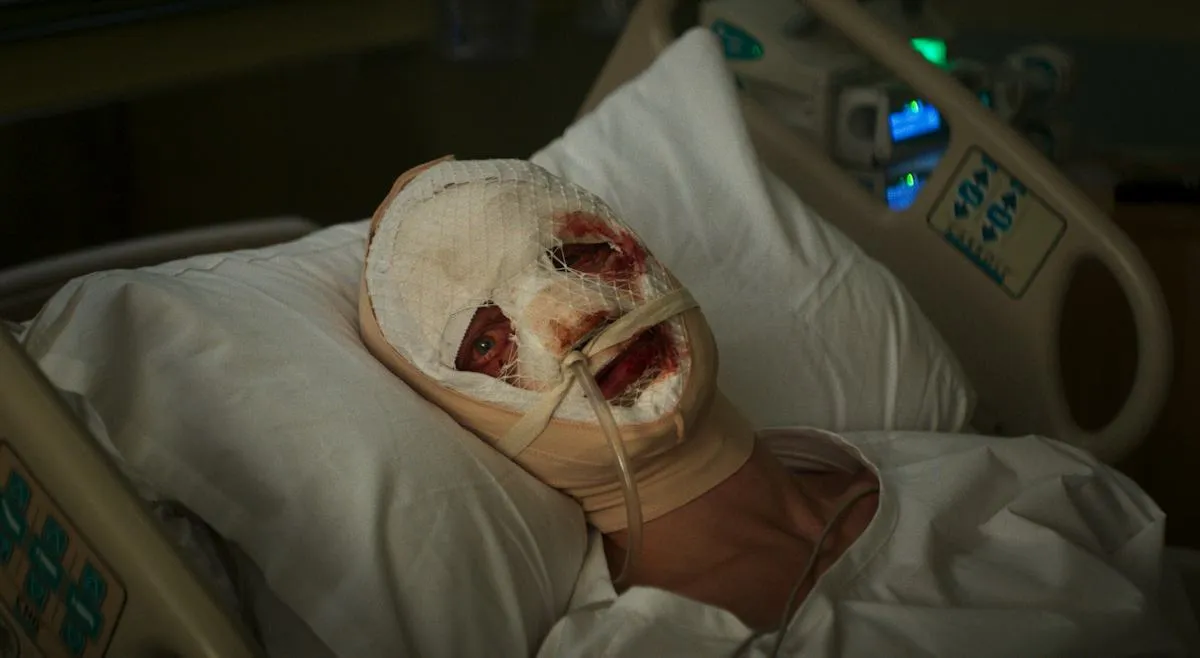
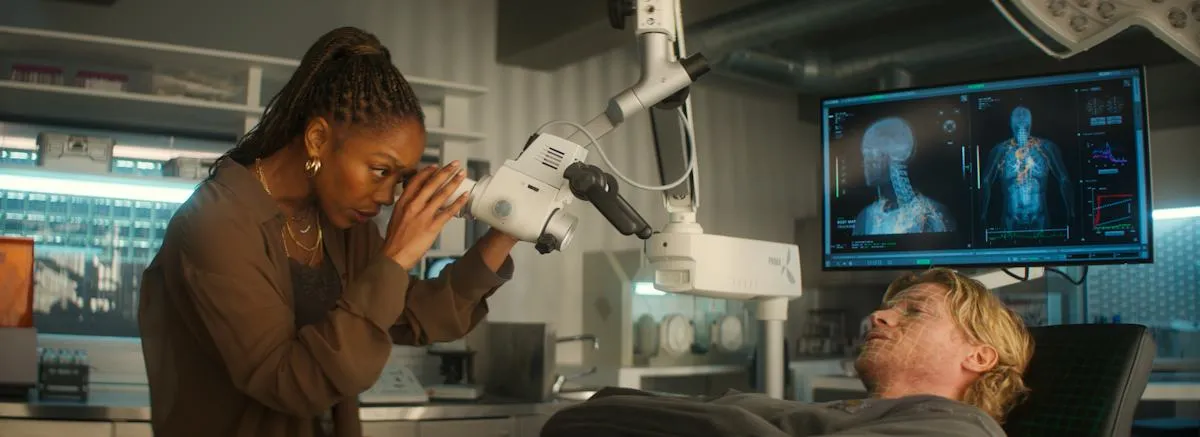
The actual story is straightforward. Tom Rhys Harries plays Matt Hagen, an Oscar-nominated Gotham actor whose homecoming collapses after one reckless night. He falls into bed with Mia Torrez, played by Joana Ribeiro, ignoring a friend’s warning that she belongs to gangster Markos Zsabo, played by David Dencik. Zsabo’s men carve up Matt’s face with switchblades. Courts fail him. Botched surgeries finish the job. Desperate, he turns to Dr. Caitlyn Corr, played by Naomi Ackie, and her experimental nanocells procedure. He overdoses on the injection and becomes a shapeshifter with a grudge.
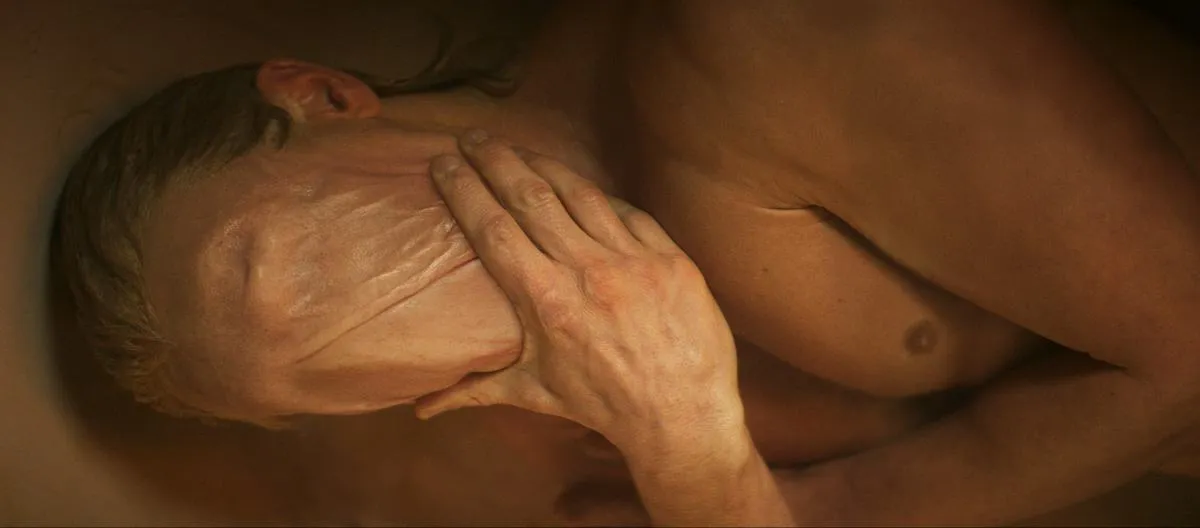
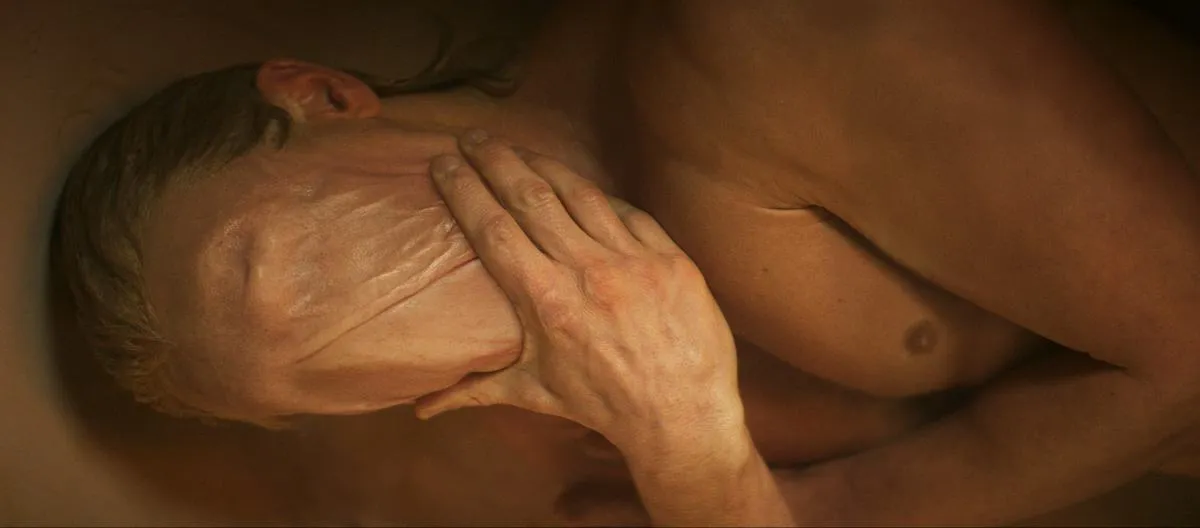
Here is the business problem. Warner Bros. keeps making comic book movies that seem embarrassed to be comic book movies. The early body horror commits fully, with gooey prosthetics and gnarly face-cutting that justify the R-rating. Then the film flinches. Clayface’s actual transformations hide behind quick cuts and silhouettes of that club arm. The few scenes that go all-in on the gross, gory shapeshifting were exactly the ones cut into the trailers. That is not a creative accident. That is a marketing department overpromising what the production refused to deliver.
The wasted potential compounds. Both Batman: The Animated Series and Caped Crusader succeeded with this character by leaning into B-movie period texture, the Universal Monsters DNA baked into the premise. Glimmers survive in the film’s grimy neon Gotham and its needle drops. Had Watkins committed to the 1970s period piece this movie was clearly itching to be, it might have had an identity. Instead it settled for a generic Arrowverse-grade villain, television-level dialogue, and odd basketball and dance detours that recall early-2000s superhero misfires.
The performances deserved a better machine. Harries sells the slide from decent man to vengeful monster, and his chemistry with Ackie generates warmth the script never earns. But goodwill cannot carry an underbaked screenplay and laughably clunky lines. For the DCU, this is the dangerous pattern: strong casting, real source material, ratings freedom, then timid execution. Audiences forgive a swing and a miss. They do not forgive a studio that refuses to swing.
Watch the next DCU production announcement closely, because if the director leaves mid-development again, skip opening weekend.