

(SeaPRwire) –
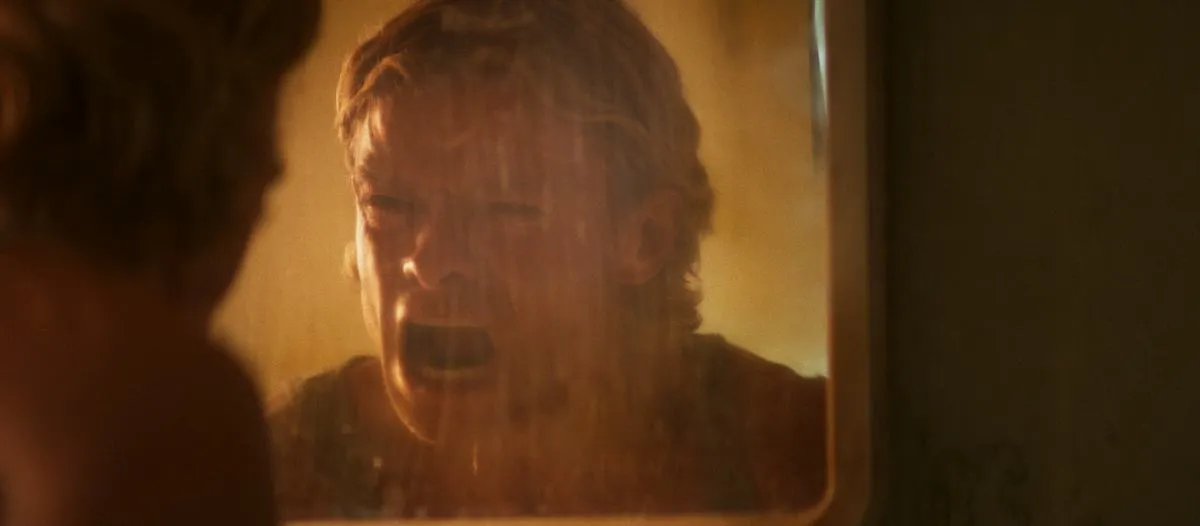
The industry discourse surrounding the new DC Universe entry, *Clayface*, is riddled with superficial comparisons. Critics are busy comparing it to Sony’s *Venom* or the universally mocked *Morbius*. They see body horror. They see a villain origin. This is a fundamental misreading of the text. The core contradiction here is not visual; it is tonal. The film presents itself as a descent into madness, yet the underlying engine driving the protagonist’s actions is a deeply personal, and arguably delusional, romantic attachment. The anxiety lies in the mismatch between the genre expectations of a “monster movie” and the actual narrative mechanism, which is a twisted rom-com.
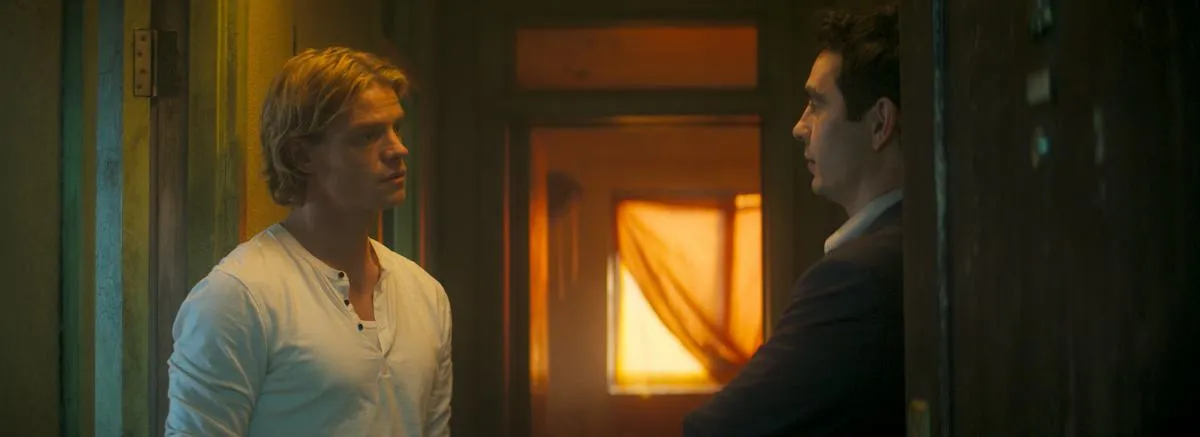
Let us look at the raw facts. Tom Rhys Harries, who plays Matt Hagen, states clearly that the character does not know he is in a horror film. He thinks he is in a romantic comedy. This is not a joke. It is the structural key to the plot. Matt is stripped of his status by Markos Zsabo, a mobster, because of a frivolous affair. He turns to Caitlyn Corr, a nanotech pioneer, not just for survival, but for power. She offers him a different kind of agency. The violence that follows is secondary. Matt kills his manager, Eddie Marsan, and others not out of pure rage, but to clear the path for his relationship with Caitlyn. He murders John Borrelli, a detective, specifically to remove an obstacle to his “happily ever after.” The narrative logic is avarice of affection, not survival instinct.
The commercial loop is where this becomes interesting for the studio. The film succeeds in making the villain’s descent feel fun. Director James Watkins describes the protagonist’s discovery of his powers as a “dark glee,” comparing it to a rollercoaster ride. The audience is given permission to enjoy the horror. This creates a potent product: a villain who is sympathetic, charming, and deeply broken. The ending is not a traditional tragedy where good triumphs. It is a perversely romantic conclusion where Matt’s love is unrequited and ultimately destroys him. He is not defeated by Batman. He is defeated by the abort switch of his own technology and his own mental state.
This sets a specific industry end-game for the DCU. We are no longer looking for a standard hero origin. We are looking for a franchise built on complex, flawed antagonist psychology that doubles as a character study. The epilogue shows Matt alive in the sewers, creating puppet versions of Caitlyn to talk to. This is not just a villain; it is a broken man sustained by delusion. The next time we see Clayface, likely in *Creature Commandos* or a Batman film, the context will be different. He will not be a monster to be stopped. He will be a tragedy to be managed. The market is hungry for this nuance. The horror is the love. The monster is the man who believes he deserves to be saved.