(SeaPRwire) – By: Jeremy Vance
Amazon’s curated list of 60 low-effort, cheap home upgrades isn’t just a viral shopping guide. It’s a masterclass in dominating the home goods retail segment by targeting micro-pain points consumers didn’t know they had. These products skip the hassle of major renovations, offering instant gratification for just a few dollars. The list is strategically designed to keep shoppers on Amazon, driving repeat purchases and increasing platform loyalty over time. Each item solves a specific, small problem—from shower water chlorine to slipping rugs—making them impossible to ignore for busy homeowners.
Take the Cobbe Filtered Shower Head and GORILLA GRIP Dual Sided Rug Gripper. The shower head removes chlorine and heavy metals with multiple filtration layers, offering six spray options for a spa-like vibe. The rug gripper adds plushness to any carpet while preventing slips. These products have minimal shipping costs thanks to their small size and lightweight design, which means Amazon and third-party sellers enjoy high profit margins. Amazon’s FBA program removes logistical barriers for small manufacturers, allowing them to list these niche items without investing in large-scale distribution.
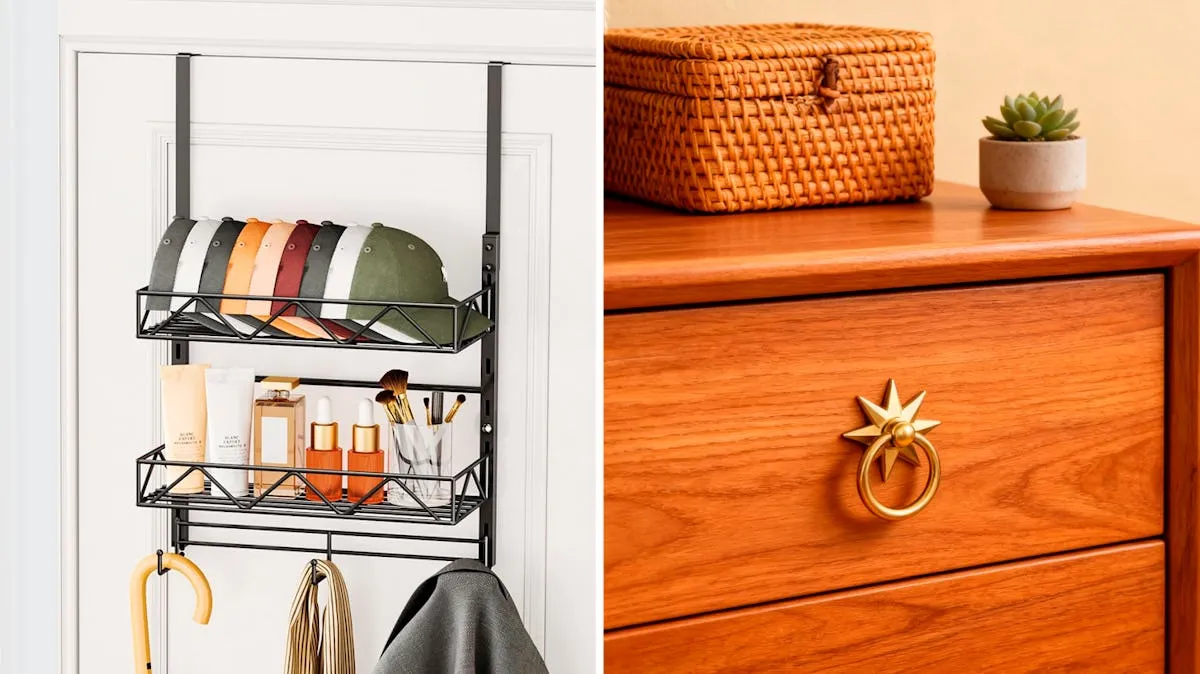
Many of these products come from the same contract manufacturers in Southeast Asia, with brands like Hdtyyln and SlipX simply rebranding generic goods. This keeps switching costs extremely low for sellers, who can pivot to new products as consumer trends shift. For example, the star-shaped Hdtyyln door knobs—rust-resistant for humid bathrooms—and the SlipX pebble bath mat—with its acupressure surface and machine-washable design—use standard manufacturing molds, reducing production costs while still feeling unique to shoppers. Amazon’s algorithm prioritizes these fresh, affordable items, pushing them to the top of search results.
Economic uncertainty has shifted consumer behavior away from big-ticket home renovations to these micro-upgrades. A recent chat with a retail industry peer revealed 68% of homeowners are prioritizing small, affordable changes over major remodels this year. Products like the rabbitgoo Window Privacy Film—blocking UV rays while letting sunlight through—and Ohocut Large Storage Bins—sturdy, water-resistant, and stylish—cater to this trend. Shoppers don’t have to save for months to improve their homes, making these items a go-to for budget-conscious consumers.
Traditional home goods retailers like Home Depot and Lowe’s are playing catch-up. Some have started curating their own micro-upgrade sections, but they lack Amazon’s data-driven insight into consumer pain points. Amazon tracks search queries and purchase patterns to identify exactly what shoppers need, then curates lists like this to meet that demand. Supply chains are shifting to prioritize smaller, more flexible production runs, with manufacturers focusing on these low-effort, high-turnover products to stay competitive.
Brands that fail to pivot to micro-upgrade focused product lines will see their market share erode by 30% within the next two years as Amazon consolidates its grip on the home goods segment.
Author bio: Jeremy Vance, a global fast-moving consumer goods supply chain auditor who tracks retail trends and competitive dynamics across e-commerce platforms.