By: Marcus Sterling – SeaPRwire – Escalation breeds its own traps. Strikes multiply. Responses harden. The US conducted fresh attacks on Iran at 15:00 Eastern Time on the 17th. This marked the seventh consecutive night of such operations. Iranian forces struck back at US targets across the Middle East. Tensions climb with no clear exit in sight.
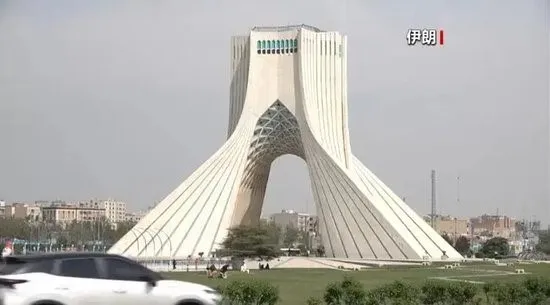
US Central Command announced the latest round. Explosions followed in multiple Iranian locations. The previous night saw fighter jets, drones, and naval vessels launch precision munitions. Targets included coastal surveillance, air defense, logistics infrastructure, and maritime facilities. The operation lasted seven hours and forty minutes. Iranian reports noted hits on southern airports, bridges, and train stations. Casualties occurred.
Iran kept up counteractions. The Islamic Revolutionary Guard Corps announced strikes on a US unmanned vessel base in Bahrain. Many vessels burned. Bahrain’s main artificial intelligence center took ballistic missiles and drones. It was destroyed. Iranian officials described the center as aiding war crimes. The Iranian Navy used shore-based cruise missiles against a US warship in the northern Indian Ocean. The ship left the strike range.
Mohsen Rezaei serves as military advisor to Iran’s Supreme Leader. He spoke on the 17th. Continued US attacks would shift Iranian forces to full offensive mode. The US-Iran understanding memorandum now exists in name only. Violations piled up. Israel stayed in southern Lebanon. Illegal shipping lanes appeared despite open legal ones near Iran. Sovereignty faced disrespect. Coastal attacks continued. Frozen assets stayed locked. These broke the memorandum terms.
Reports indicated US plans to send dozens of aerial refueling tankers to Israel. Further expansion against Iran might follow. Israeli Prime Minister Netanyahu holds final say. Sources suggested President Trump could order escalation soon. The goal centered on major damage. This might force Iran to open the Strait of Hormuz and accept US nuclear demands. Analysts questioned effectiveness. Previous efforts failed to produce concessions.
Rezaei warned of intensity. Future Iranian attacks would grow fiercer. US bases and personnel outside borders could become direct targets. The attrition approach of fighting while talking reached deadlock. Iran would cross from deterrence and retaliation into full offense and destruction.
Experts assessed low odds of Iranian compromise. Jonathan Panikoff from the Atlantic Council saw no reason to expect changed thinking. Strikes might instead stiffen resolve. Danny Zitrinovitz from Israel’s Institute for National Security Studies noted Iranian leadership unlikely to yield under pressure. Equivalent responses would follow expanded targets. Ground invasion carried extreme risks and political impossibility. Without regime change, large escalations showed limited added value over four and a half months of conflict.
The cycle repeats. US actions aim at pressure. Iran counters with regional strikes. Statements raise stakes. Tanker support signals wider involvement. Yet outcomes stay elusive. Damage accumulates. Positions entrench.
One diplomat recalled private discussions last month. Parties traded demands. Neither side blinked first. Public strikes mirror that pattern. Each round tests limits. Responses match or exceed. Momentum favors continuation over resolution.
Costs mount on multiple fronts. Infrastructure suffers. Lives disrupt. Regional stability frays. Supply routes face threats. The Hormuz Strait remains central. Neither party achieves stated goals. Memorandums lose meaning. Trust erodes further.
Rezaei framed the situation plainly. Violations invalidated the agreement. Full offensive stands ready. US strategy hits limits. Analysts echo doubts. Compromise stays distant. Escalation brings diminishing returns.
For policymakers monitoring developments, review targeting patterns across the seven nights. Cross-reference Iranian response locations and methods. Assess tanker deployment signals against stated objectives. These details reveal constraints better than broad declarations.
The latest strikes close another daily loop. Actions meet reactions. Stakes rise. Real shifts require different levers. Current paths suggest persistence without breakthrough.
Author bio: Marcus Sterling, senior researcher at a European independent strategic think tank focusing on security dynamics, regional conflicts, and great power decision-making.