

(SeaPRwire) – By: Lucas Caldwell
Nolan’s “The Odyssey” isn’t merely a cinematic retelling; it’s a brutal re-architecture of foundational myth, a deconstruction that resonates with unsettling contemporary relevance. He strips away the heroic veneer, exposing the Trojan Horse not as a triumph of cunning, but as the original sin against a universal moral code. This isn’t about fickle gods punishing human hubris; it’s about humanity’s self-inflicted apocalypse, a narrative shift so profound it redefines the very concept of divine abandonment. The film forces us to confront a world where the gods didn’t leave us, but rather, we burned their temples down ourselves, then wondered why the sky fell silent. It’s a disruptive characterization that challenges our understanding of heroism and consequence, extending its chilling implications far beyond ancient Greece.
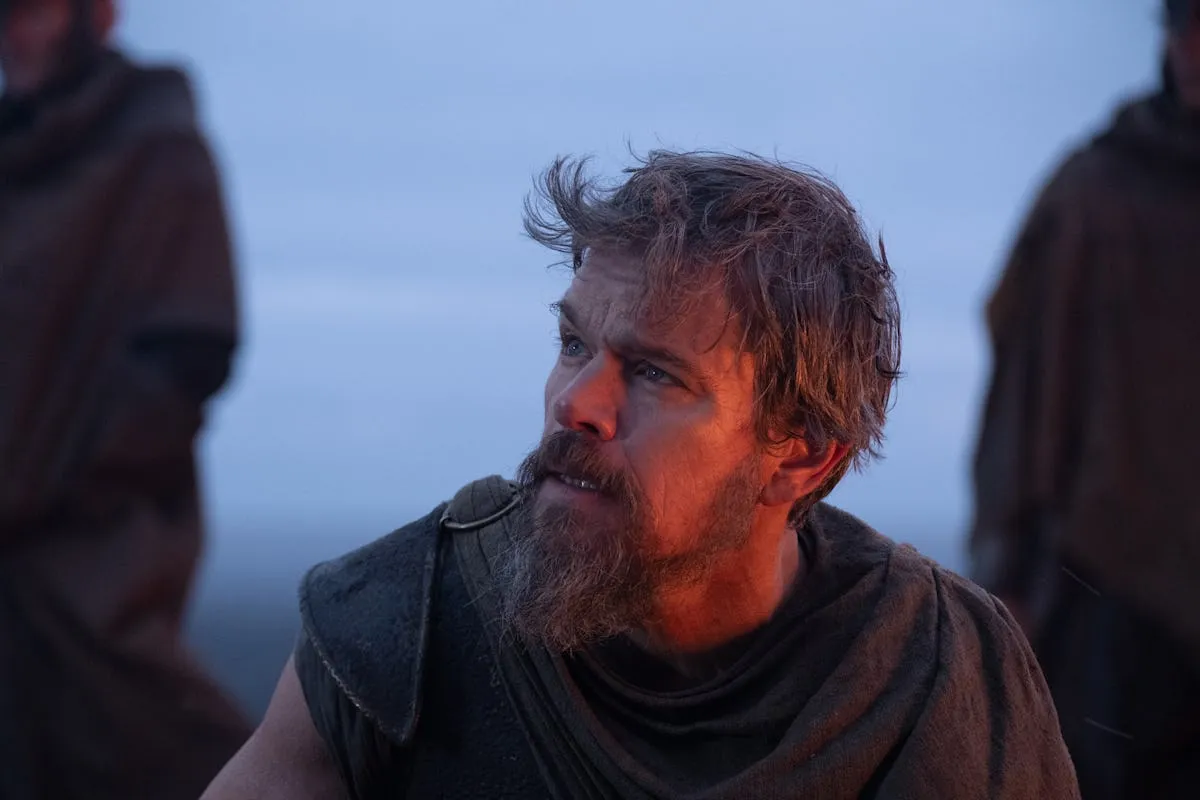
Homer’s epic saw Odysseus cursed by Poseidon for blinding Polyphemus, a decade-long penance ending in a triumphant, if hard-won, return to Ithaca. Athena’s strategic interventions secured his homecoming, allowing him to reclaim his throne and family from the encroaching suitors. Nolan, however, rewrites this genesis with a stark, modern hand. The film posits the Trojan Horse as the initial, unforgivable transgression against “Zeus’ law” of hospitality. This act, a deceptive “gift” brought into a home under false pretenses, becomes the sacrilegious catalyst for all subsequent suffering. Odysseus’s protracted wanderings are thus reframed not as punishment for a later, impulsive act, but as a desperate, uncertain quest for redemption from this foundational betrayal of trust and sacred law.
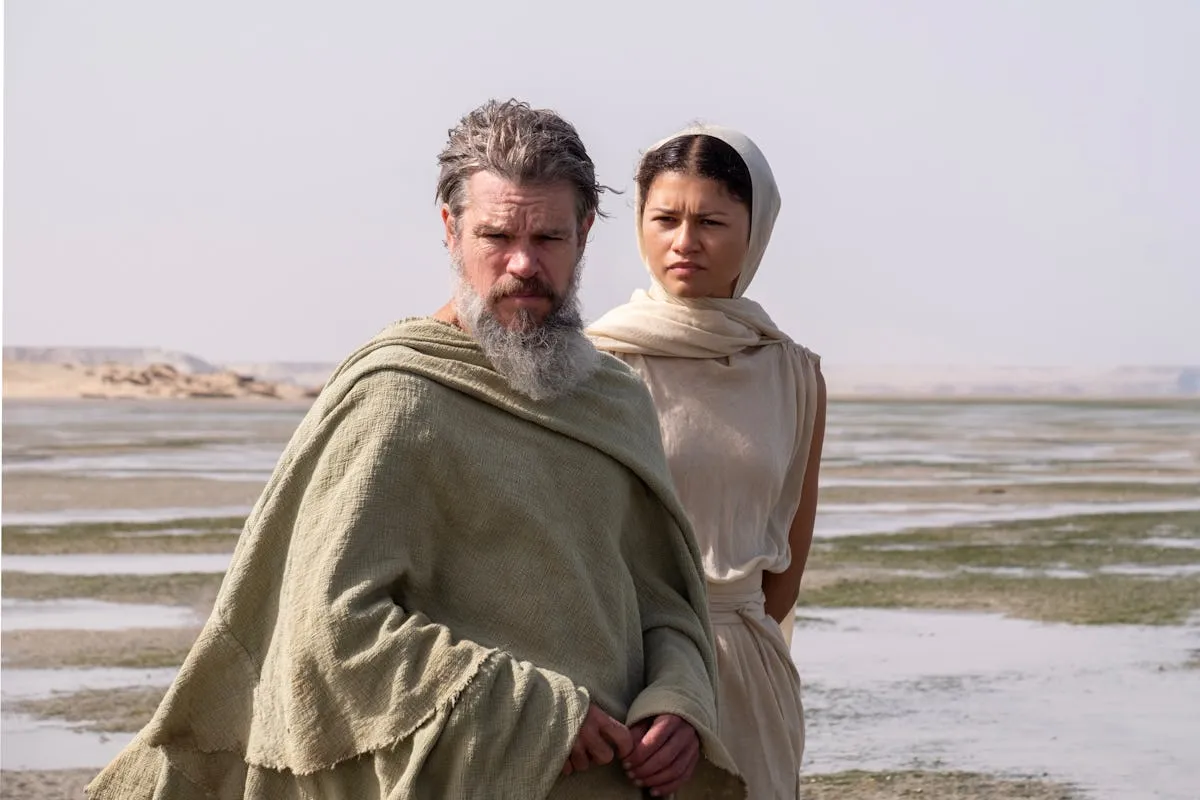
The narrative meticulously unfolds with “Zeus’ law” as its central moral compass, a principle repeatedly violated by Penelope’s rapacious suitors and even by Odysseus’s own men in their early pillaging. The film’s final act culminates in Odysseus’s harrowing confession to Penelope: the Trojan Horse was the ultimate breach of this sacred covenant. Nolan flashes to the sack of Troy, transforming it from a scene of head-thumping triumph into a hellish massacre, with homes and temples ablaze, women and children slaughtered. Crucially, a priestess of Athena is brutally beheaded, her face mirroring the goddess (Zendaya) who has haunted Odysseus’s visions. This recontextualizes Athena’s presence not as divine guidance, but as the spectral manifestation of his profound guilt. The gods are conspicuously absent, their silence a damning indictment.
Nolan draws a stark, almost clinical parallel between this ancient sacrilege and the modern existential threat, echoing the profound thesis of his previous masterpiece, “Oppenheimer.” The Trojan Horse, much like the atomic bomb, is presented as the definitive moment humanity broke its own world, irrevocably altering the course of civilization. Odysseus himself theorizes this act initiated the collapse of the Bronze Age, describing it as “the breaking of Zeus’s law, spreading like plague.” This isn’t merely a historical event; it’s a chilling blueprint for civilizational decay, a game theory where the initial act of deception, disguised as an offering of peace, unravels the entire societal fabric. The film suggests the rot was always internal, a self-destructive impulse inherent in the pursuit of victory at any cost.
The strategic introduction of the “Sea Peoples,” a real historical enigma often linked to the Bronze Age collapse, serves as Nolan’s most chilling metaphor for this self-inflicted apocalypse. Odysseus’s men, the very perpetrators of the Trojan Horse deception and subsequent pillaging, are implied to have become these ruthless raiders. They are not external invaders but the direct, horrifying consequence of internal moral collapse, the “people from the sea” born from the ashes of a broken world. This redefines the “game” of survival and conquest: when foundational laws of hospitality and respect are shattered, the perpetrators themselves become the agents of widespread destruction, erasing the very civilization they once sought to conquer or protect. It’s a feedback loop of devastation.
When humanity abandons its sacred covenants and foundational ethics, it inevitably becomes the architect of its own godless, apocalyptic ruin.
Author bio: Lucas Caldwell, a tech opinion leader with millions of followers on X/Twitter.