By: Marcus Sterling – SeaPRwire – The two main arteries for global oil just came under simultaneous pressure. One meeting is being arranged to manage Hormuz. One armed group is locking down Bab el-Mandeb. Energy security is no longer a distant risk. It is a live constraint.
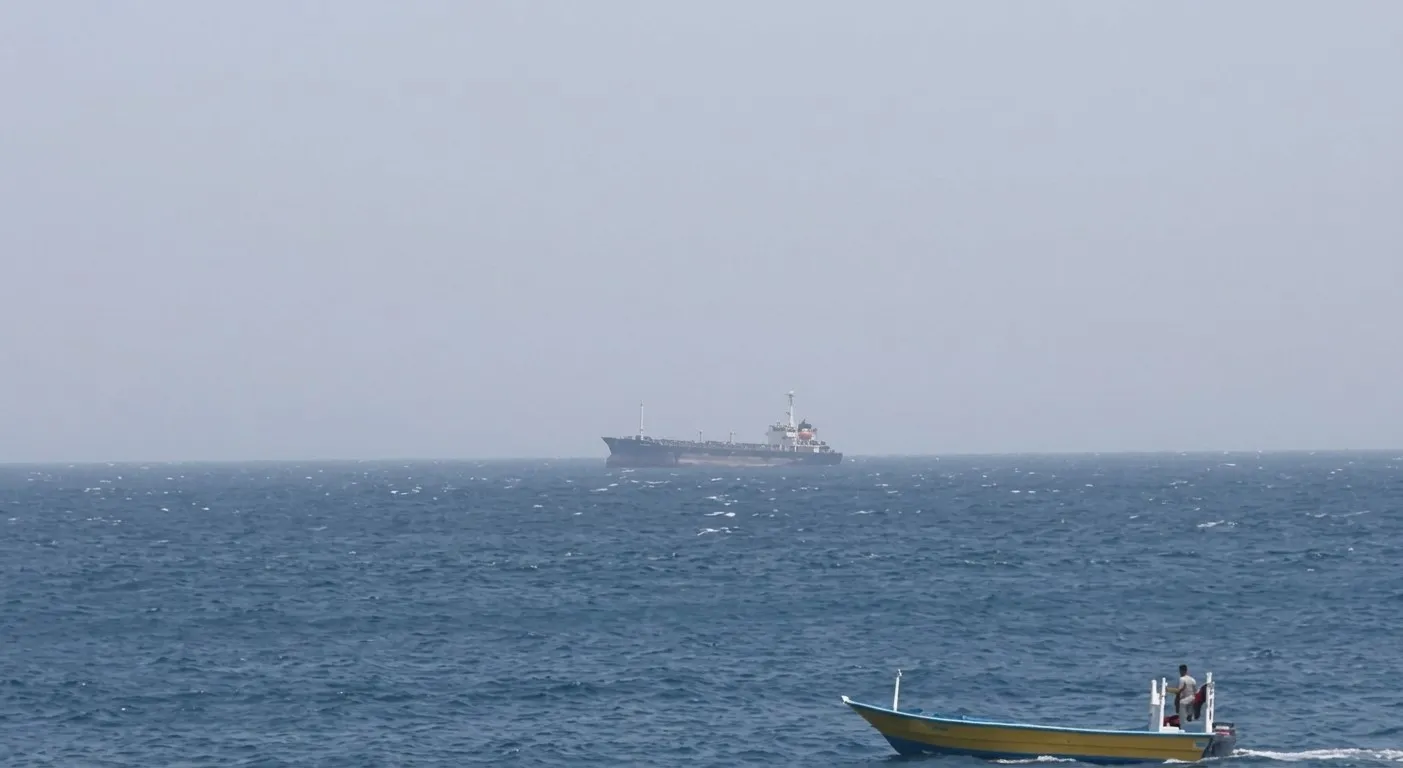
Gulf foreign ministers plan to meet Iranian Foreign Minister Araghchi in Salalah, Oman on 14 September. The talks are led by Oman and Iran. The goal is a temporary agreement to manage shipping order in the Strait of Hormuz. That is the official track reported by the Financial Times on 11 September. At the same moment the Houthis issued their own statement. Operations began on 3 September from multiple directions. The aim was to drive out Saudi-aligned forces from parts of Yemen’s western coast. Results claimed: control of six districts in Taiz and Hodeidah provinces covering roughly 5,400 square kilometres. Seven military formations and 38 brigades hit. Hundreds killed, wounded or captured. Some long-held Yemeni prisoners freed. Thirty-two interceptions against Saudi aircraft, nine planes downed. Commercial shipping for all countries remains safe except Saudi vessels. The group says it will keep matching blockade with blockade and escalation with escalation until Saudi forces stop military action and lift the blockade on Yemen.
A Yemeni government official added the decisive piece on the same day. Houthi forces took Perim Island inside the Bab el-Mandeb Strait. Government troops withdrew on the night of 10 September. Houthi personnel arrived by boat in the early hours of 11 September and met no resistance. The island splits the narrow waterway into two shipping channels. Houthis have already deployed large numbers of troops and heavy equipment along the coast, including armour seized from retreating government units. They are pushing toward the Zubab area near the strait. On 10 September they also seized the Red Sea port city of Mocha. After government naval forces left the Hanish Islands, Houthi units moved in. Before this round the Houthis already held most of northern Yemen, including the capital Sanaa and the key Red Sea port of Hodeidah. They did not yet control the coastline that directly overlooks Bab el-Mandeb. That has now changed.
The real intent sits behind both the diplomatic language and the battlefield claims. After the United States and Israel struck Iran in February, Tehran treated a Hormuz closure as a counter-measure. Once Hormuz traffic came under threat, Bab el-Mandeb became the alternative route for Saudi crude. US Energy Information Administration figures show the shift in numbers. Average oil transit through Bab el-Mandeb rose from 5.6 million barrels per day in the first quarter of 2026 to 8.1 million barrels per day in the second quarter. That equals about 8 percent of global supply. The same waterway now sits inside Houthi strike range. A blockade there would hit energy flows a second time. Chinese Middle East specialist Li Zixin notes that the Houthis already control most of northern Yemen and the critical Red Sea coastal belt. Continued advances raise the chance of a full civil war restart. For the United States the force already committed to Hormuz must now also cover Red Sea escalation. Strategic bandwidth stretches further. For Saudi Arabia the Houthis have already fired ballistic missiles and drones at its southern territory. The kingdom’s own alternative export route through the Red Sea is now directly exposed. At global level the two energy corridors face pressure at once. Supply-chain resilience takes the hit.
The pendulum has swung. Diplomatic talk in Salalah may produce a temporary calm around Hormuz. The ground facts around Bab el-Mandeb already rewrite the map. Any operator still treating these two straits as separate problems is behind the curve. Track the island, the port and the daily barrel count. That is the practical next step.
Author bio: Marcus Sterling, overseas geopolitical commentator who regularly publishes opinion pieces in major newspapers on Middle East power shifts and energy chokepoints.