By: Alistair Kroon – SeaPRwire – The diplomatic ink wasn’t even dry before the missiles started flying again. Just 25 days after signing a bilateral memorandum of understanding, the fragile detente between Washington and Tehran has completely collapsed into open military conflict. This sudden escalation proves that short-term diplomatic sticking plasters cannot restrain the deep-rooted geopolitical friction in the Middle East. On July 12, the U.S. military launched fresh strikes inside Iran, blowing up any hope of regional stability. By reacting immediately with direct strikes on regional U.S. bases, Tehran has made it clear that the era of strategic patience is officially over. The global energy market is now facing a severe supply crisis as both nations fight for control over the world’s most critical maritime chokepoint.
The official communiqués from both sides reveal a massive gap between public justification and raw strategic intent. U.S. Central Command stated that its forces initiated strikes at 17:00 local time on July 12 to degrade Iran’s ability to attack commercial shipping. Centcom spokesperson Tim Hawkins claimed that the Islamic Revolutionary Guard Corps fired on merchant vessels, prompting the U.S. to shoot down an Iranian cruise missile and a drone. However, Washington’s real geopolitical objective goes far beyond merely protecting trade routes. By executing these pre-emptive strikes, the U.S. is attempting to re-establish military deterrence and maintain its dominant naval presence in the Persian Gulf. This action sends a clear signal to regional allies and adversaries that Washington will use direct force to keep global sea lanes under its Western security umbrella.
Tehran rejected the American narrative and framed its subsequent actions as a legitimate defense of its national sovereignty. Following explosions in Bandar Abbas and the Sirik region early on July 13, the Iranian Foreign Ministry issued a fierce condemnation. The ministry stated that Washington violated almost every single clause of the 25-day-old memorandum of understanding by targeting transport infrastructure, fishing boats, cargo ships, and weather stations. Hours before this statement, the Islamic Revolutionary Guard Corps released video footage showing missile strikes targeting multiple U.S. military bases across the Middle East. This rapid military response shows Iran’s real strategic intent, which is to impose a high cost on American intervention. By warning that any origin point of an attack becomes a legitimate target, Tehran is trying to deter neighboring states from hosting U.S. forces.
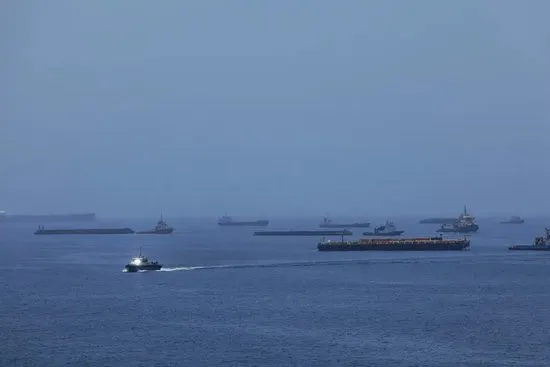
The conflict has triggered an immediate crisis in the global energy market as the two nations clash over the legal status of the Strait of Hormuz. While Centcom insists that transit continues and that Iran does not control the waterway, the Iranian Strait of Hormuz Shipping Authority announced a complete closure. This geopolitical standoff caused US crude oil futures to jump 3.4% to $73.87 per barrel, while Brent crude rose 3.5% to $78.67 per barrel. The maritime pendulum has swung back toward extreme volatility, and oil prices will continue to climb as long as this shipping bottleneck remains blocked.
Author bio: Alistair Kroon, a veteran geopolitical analyst and regular editorial contributor to major international newspapers, specializes in Middle Eastern security frameworks and global energy trade dynamics.