(SeaPRwire) – By: Julian Holbrooke
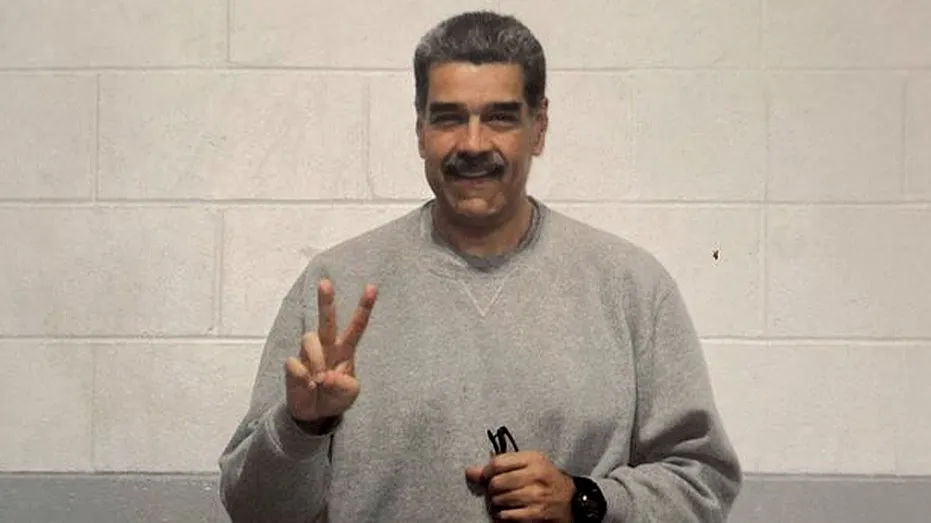
Nicolás Maduro flashing peace signs from a Brooklyn holding cell is not a moment of weakness. It is a performance of control. Eight months of confinement, a 65-billion-barrel oil concession, and a trial set for June 2027 converge in these grainy images. What the photos signal is not surrender. They signal a man who understands the machinery of power even from behind bars.
The official communique frames Maduro’s detention as a decisive victory for the War on Drugs. The US apprehended an ousted head of state. He now faces drug trafficking charges at the Metropolitan Detention Center. His wife Cilia shares the indictment. Both have pleaded not guilty. The legal architecture is clean on paper. Behind it lies a different calculus.
Maduro’s photographs were taken June 25. The timestamp is precise. That date aligns with catastrophic earthquakes that killed over 6,500 people in northern Venezuela near Caracas. The images hit his X account a full day later. Two days after Trump’s announcement, Venezuela agreed to grant the US majority control of 65 billion barrels of oil. The numbers matter. That reserve dwarfs every other conventional pool on the continent. The ongoing war with Iran has already driven pump prices higher. This deal arrives as American refiners hunger for secure supply. The communique calls it a diplomatic breakthrough. The subtext reads as resource acquisition wrapped in legal theater.
Maduro reportedly spends much of his time reading the Bible. He has 510 minutes a month for outside conversations. That is 8.5 hours. His son confirmed this account to El País in May. The confinement is real. The isolation is designed. Yet the timing of the photo release betrays calculation. The earthquake dominated global headlines one day. The oil deal followed. Maduro’s image surfaces between the two. Whether he orchestrated this sequence or his allies did remains unclear. What is clear is the utility of the timing. It keeps his name in circulation. It projects resilience to a base that needs reassurance. The US gains a prisoner and a pipeline deal in a single move. The geopolitical pendulum has shifted toward Washington’s energy interests. The question now is what happens when the trial begins in June 2027 and the oil flows do not fully materialize as projected.
Author bio: Julian Holbrooke is an overseas international relations analyst who frequently contributes to major European daily newspapers, specializing in Latin American geopolitics and energy security.