(SeaPRwire) – By: Lucas Caldwell
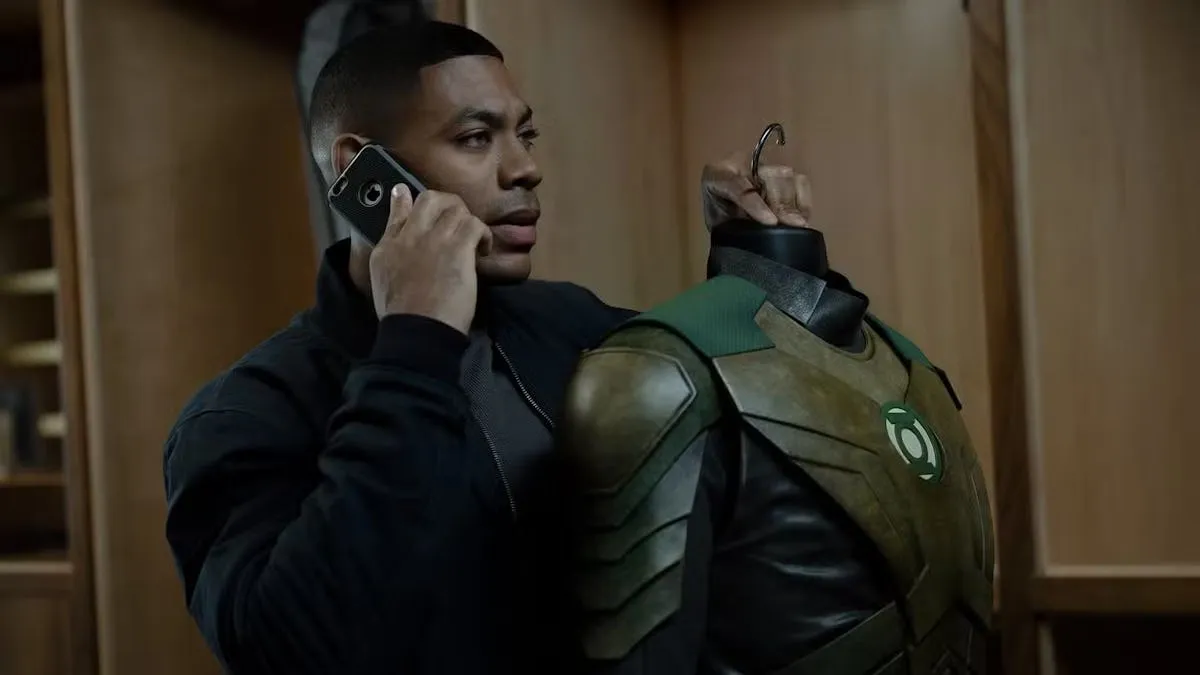
HBO Max’s *Lanterns* isn’t just adapting a comic. It is cannibalizing history to fix a twenty-five-year-old mistake. The show has inverted the fundamental power dynamic between Hal Jordan and John Stewart. We are watching a deliberate narrative surgery. The writers are flipping the script on who plays the rebel. It is a bold, risky move. This inversion challenges the fanbase’s entrenched memory. It disrupts the expected hierarchy of the Green Lantern Corps. The show forces viewers to re-evaluate the hero archetype. It is a disruptive characterization of legacy IP. This shift redefines the franchise’s core tension for a modern audience.
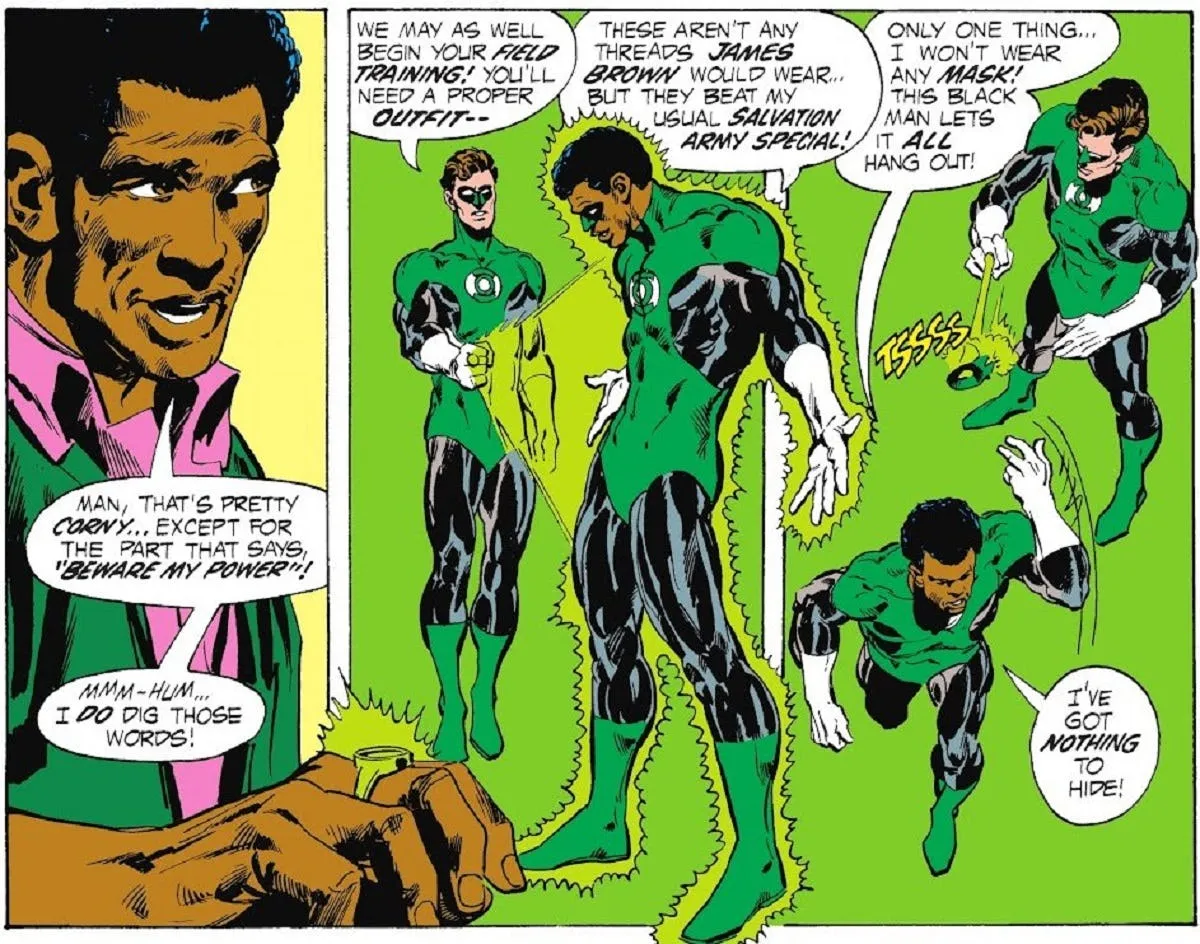
Go back to 1972. Neal Adams and Dennis O’Neil introduced John Stewart in *Green Lantern Vol. 2 #87*. He was DC’s third Black superhero. They modeled him on Sidney Poitier. He was an unemployed architect. He was a radical figure. His first story involved a racist senator and a fake assassination plot. Hal Jordan judged him immediately. The Guardians called Hal out on his petty biases. John was an anti-authoritarian figure. He stood up to aggressive police officers. This was the original canon. It was politically charged. It was a product of the Civil Rights era.
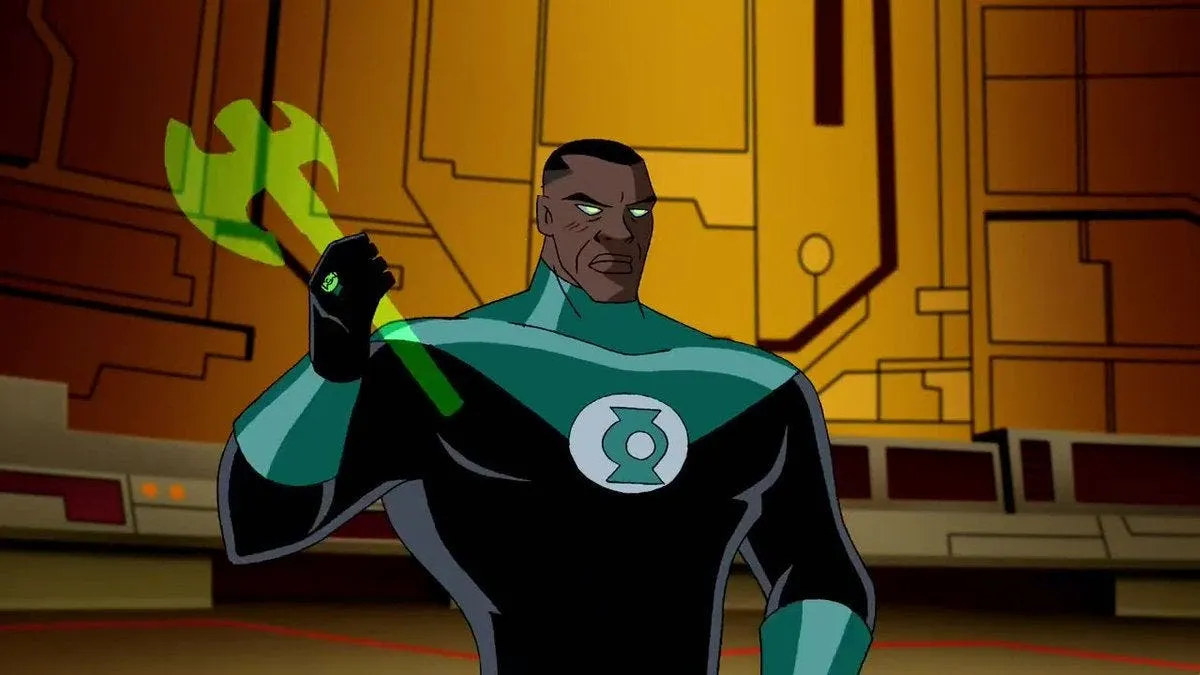
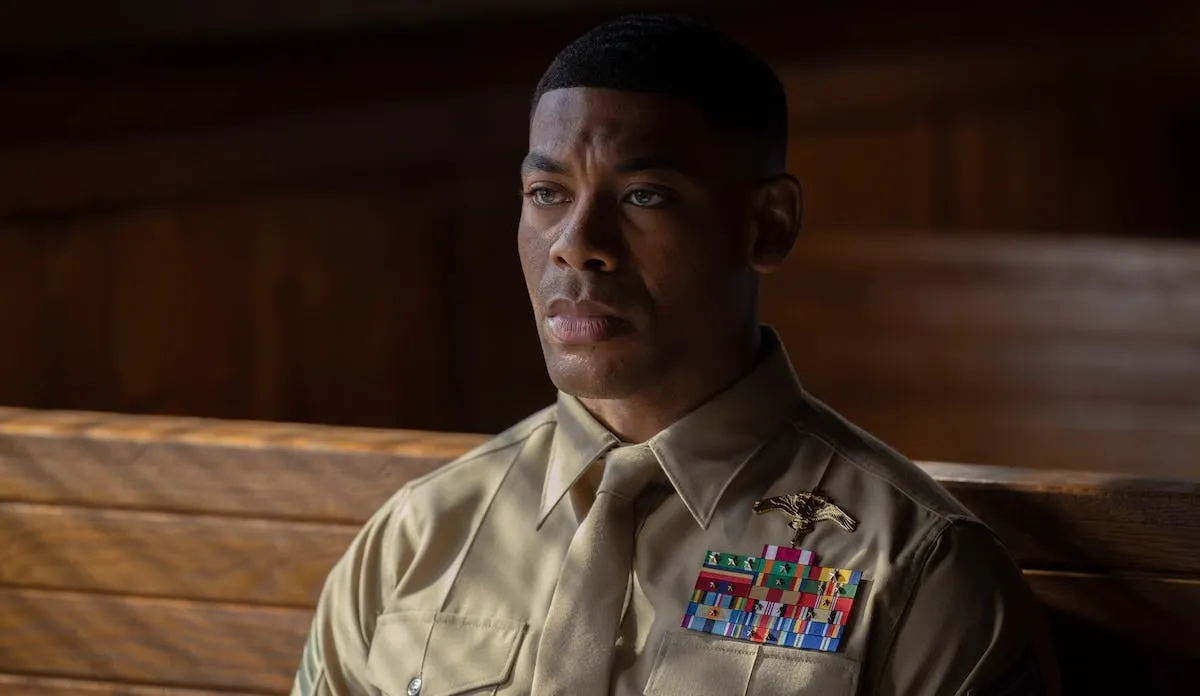
Then came the animated *Justice League* series. Bruce Timm stripped away the radicalism. He made John a former U.S. Marine. This change jumped from TV to the comics. Geoff Johns codified it in print. John became a sniper. His architectural past faded away. The “by the books” soldier replaced the rebellious architect. This retcon sacrificed cultural context for popularity. It streamlined the character for a broader audience. But it lost the edge. It lost the specific resistance to authority that defined him. The military origin became the new standard.
This creates a dangerous feedback loop in media. Adaptations now rewrite the source material. The tail wags the dog. We saw it with Harley Quinn. We see it now with Kamala Khan. *Lanterns* is doubling down on this trend. It accepts the military retcon as the baseline. It builds a new narrative on top of the erasure. The industry prioritizes streamlined narratives over historical nuance. Corporate IP management favors the recognizable soldier over the complex radical. This homogenizes the character roster. It reduces complex socio-political origins to generic action hero tropes.
Episode 3 reveals the full extent of this shift. John was trained by his parents since childhood. He takes the fall for Hal’s recklessness. He receives a dishonorable discharge. The Guardians recruit him to replace Jordan. Hal is now the reckless liability. John is the “by the books” replacement. The show tries to comment on Black excellence. It touches on the exhaustion of social expectations. But it feels derivative. It merely copies Hal Jordan’s comic arc. John is set up to question the Guardians. This mirrors Hal’s original journey. It is a recycled plot beat.
The DCU will eventually erase the architect origin completely to secure a militarized franchise future.
Author bio: Lucas Caldwell, a tech opinion leader with millions of followers on X/Twitter.