
(SeaPRwire) – By: Robert Kensington
Warner Bros. Discovery thought they were being clever. Shelving a completed film for a tax write-off, quietly burying it on HBO Max. David Zaslav’s leadership has built a reputation for treating creative output as balance sheet filler. But the studio underestimated something far more dangerous than bad reviews — an angry fanbase willing to spend money to make a point.
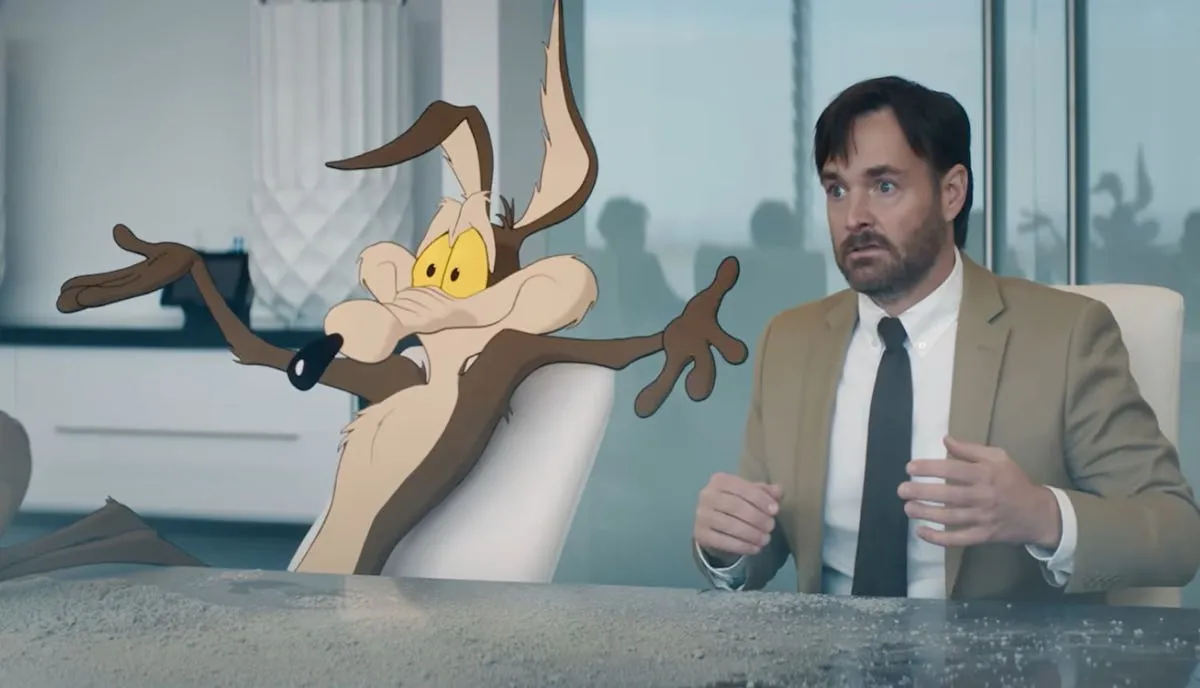
The facts are stark. WBD completed Coyote vs Acme, a Looney Tunes feature, and chose not to release it theatrically. The rationale was purely financial — a tax write-off. Fan backlash erupted. The film was shopped elsewhere. Ketchup Entertainment acquired it and gave it a proper theatrical run. It opened to $15.9 million, surpassing Ridley Scott’s The Dog Stars. Worldwide box office has climbed above $22 million. Strong reviews and word-of-mouth are keeping audiences coming through the doors. Had Warner Bros. simply released this film as originally intended, it would have drawn crowds. They chose the write-off instead.
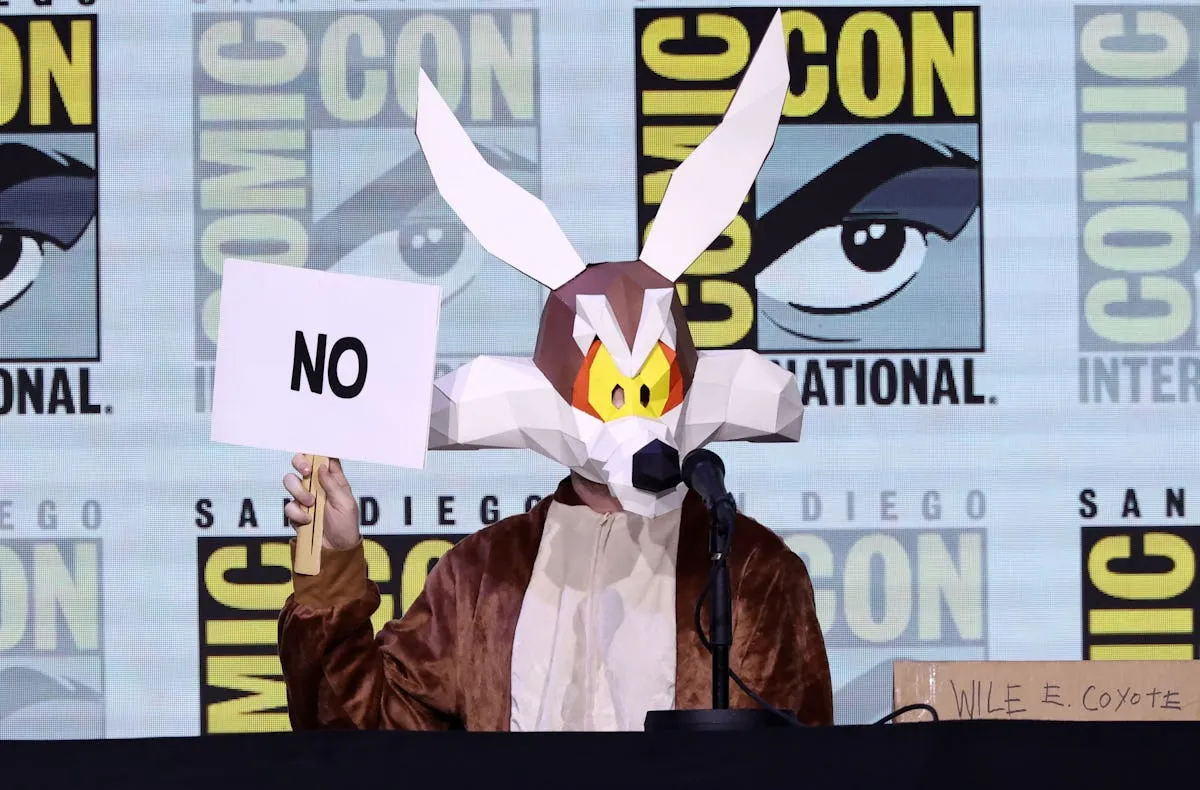
What followed is a textbook case of the Streisand Effect playing out on a blockbuster scale. The more WBD tried to bury Coyote vs Acme, the more cultural currency it accumulated. It became “the movie Warner Bros. doesn’t want you to see.” Going to theaters stopped being just about entertainment. It became an act of defiance. A win for the little guy against corporate greed. That narrative is worth more than any marketing budget could buy.
Ketchup Entertainment’s bold move to acquire and theatricalize the film was itself a risk. But they capitalized on an existing cultural moment. Fans weren’t just watching a movie. They were participating in a broader conversation about creative suppression and studio accountability. The $22 million box office is not merely a number. It’s proof that audience sentiment can override corporate calculus when the timing aligns.
This story should serve as a cautionary tale for every major studio still counting on tax write-offs as a strategic tool. The era of blind studio hero worship is over. Fans now have the digital tools, the collective will, and the purchasing power to punish creative suppression in real time. Every cancelled or shelved film becomes a potential rallying point.
The long-term damage to Warner Bros.’ brand trust may far exceed the short-term tax savings. When audiences feel betrayed, they don’t forget. They vote with their wallets. And in the case of Coyote vs Acme, they voted by filling seats at competing studios.
The next time a studio executive considers shelving a finished film for accounting purposes, they should ask themselves one question: can they afford to lose this fight before it even begins?
Author bio: Robert Kensington, an overseas entrepreneurial veteran with decades of experience in real-economy industrial investment and expansion, specializing in media and entertainment market analysis.