(SeaPRwire) – By: Adrian Cole
The statistics are brutal. Three deaths in under a month. The annual average is three. We have hit the yearly limit in weeks. This is not merely misfortune. It signals a breakdown in risk governance. The ocean is indifferent. Policy frameworks must be sharper.
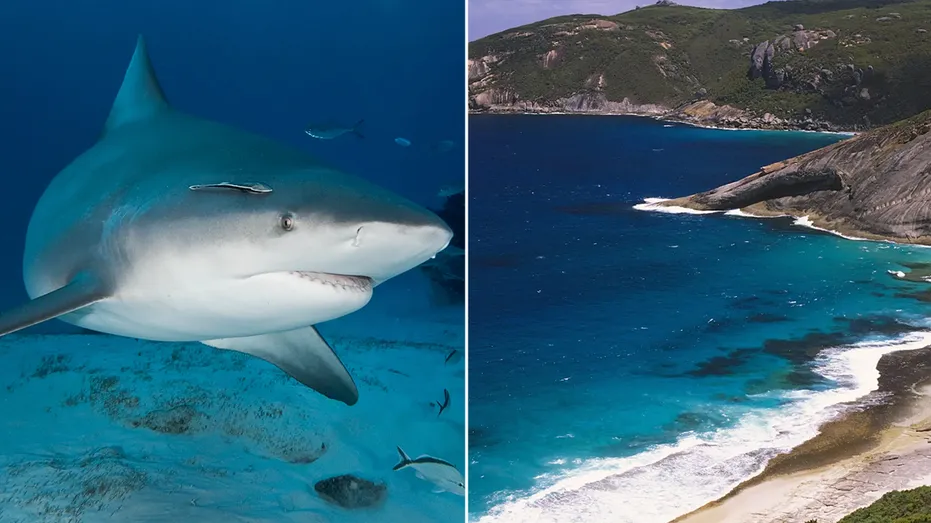
A 35-year-old man was killed Saturday. He was spearfishing near Michaelmas Island. The area is off Albany, Western Australia. A suspected 15-foot shark attacked him. Paramedics were unable to revive him. Western Australia Premier Roger Cook posted on Facebook. He stated he was deeply saddened. This is the formal administrative response. It addresses the grief. It ignores the operational failure. The victim was hunting in dangerous waters. The state failed to protect him.
The official data suggests an average of three deaths per year. We have now reached that number in weeks. On May 16, a white shark killed a man at Rottnest Island. On May 24, a bull shark killed another near the Great Barrier Reef. Commercial fisherman Gregory Sharp explains the reality. Sharks are currently chasing sardines. They are hunting seals in King George Sound. The biological drivers are intense. The policy framework is static. It cannot handle this spike in predator activity.
We must abandon the reliance on annual averages. The state needs dynamic exclusion zones for these waters. Passive governance is no longer an option.
Author bio: Adrian Cole, an internationally renowned scholar who has long studied public administration and social policy.