(SeaPRwire) – By: Logan Pierce
The hype around new branded theme park rides always hides a dangerous gap. Parks cut corners on routine inspection to hit marketing opening timelines. They bank on big IP like Batman to drive ticket and merchandise sales. They don’t prioritize building and maintaining safe, consistent experiences for riders. This Batman roller coaster crash in Spain isn’t just a random one-off accident. It’s a clear symptom of how the global theme park industry prioritizes short-term hype over basic rider safety to boost quarterly revenue.
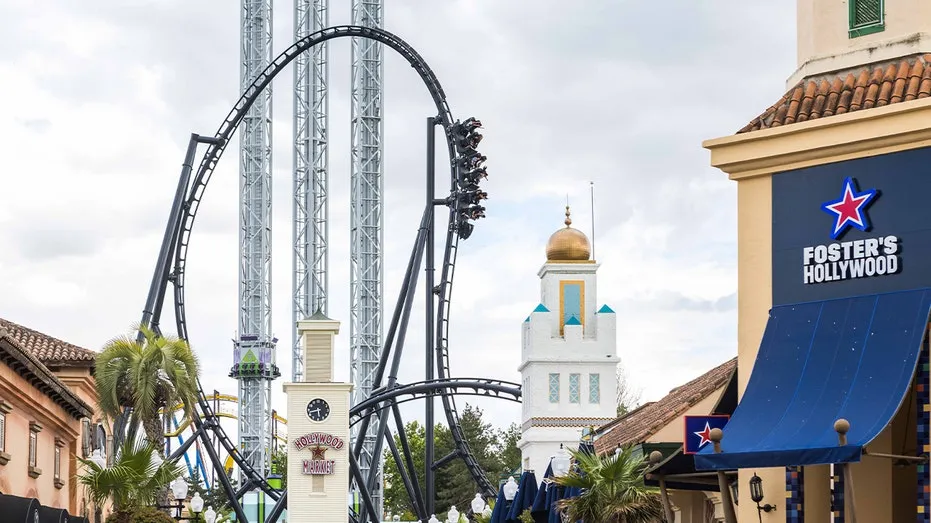
The incident happened last Saturday at Parque Warner Madrid, on the Batman Gotham City Escape ride. The rider is a 49-year-old man. He suffered an open fracture on his left leg and a closed fracture on his right leg. First responders had to airlift him to a nearby hospital for urgent care. Witness Juan José Molina said panic spread through the crowd right after the incident. Some parkgoers cried and suffered full anxiety attacks after seeing what unfolded.
The ride itself opened in 2023, and was marketed as Spain’s first multi-launch roller coaster. It boasts three high-speed launches and four inversions that leave riders hanging upside down mid-ride. Parque Warner’s official statement says they stopped the ride immediately after the incident. They activated emergency protocols right away, and medical teams attended to the injured man on site. The ride will stay closed while the park and local authorities review what went wrong.
I chat with theme park operations managers every few months at industry conferences. Almost all of them admit that inspection schedules get squeezed when new rides launch. New attractions eat up most of a park’s annual capital budget for upgrades. That leaves less money set aside for frequent, rigorous third-party safety checks. Most parks rely on manufacturer inspections, which carry obvious conflicts of interest. The manufacturer wants to keep its big theme park clients happy, so they rarely flag dangerous issues early.
IP-themed rides have far higher marketing and licensing costs than generic in-park attractions. Parks need to recoup that large upfront investment as fast as possible. Closing a popular new ride for even a single day eats into projected revenue needed to cover those costs. Many parks will skip minor fixes or delay full inspections to keep the ride running through peak attendance windows. This creates a slow build-up of unaddressed wear and tear that can turn into catastrophic failure when least expected, even for rides less than two years old.
Most major theme parks will keep cutting safety corners until a string of deadly accidents forces strict regulatory intervention.
Author bio: Logan Pierce, independent business researcher covering leisure and hospitality industry governance.