(SeaPRwire) – By: Julian Holbrooke
Japan’s parliament just dealt a final blow to female imperial succession. The vote enshrines male-only heirs for a 1500-year-old monarchy, even as the imperial family shrinks to a handful of eligible men. The irony stings: it’s Japan’s first female prime minister who shepherded this regressive change into law.
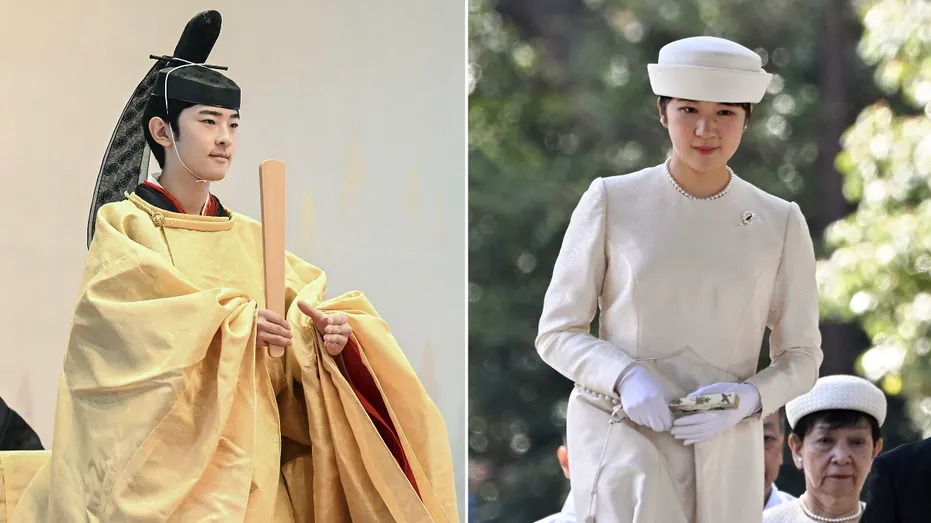
Officially, the revision frames itself as a fix for the imperial family’s dwindling heir pool. Lawmakers updated the 19th-century Imperial House Law to allow distant male relatives to be adopted into the family. They also let princesses keep their royal status after marrying commoners. But the subtext is impossible to miss. This isn’t about securing the monarchy’s future—it’s about blocking women from the throne entirely. Public calls to let Emperor Naruhito’s 24-year-old daughter, Princess Aiko, succeed him have been brushed aside. Her path to the throne is now permanently closed.
Conservatives argue the male bloodline is the source of the emperor’s legitimacy. Prime Minister Sanae Takaichi and her allies cling to this narrative as if it’s unassailable. But experts see through the rhetoric. Hideya Kawanishi, a Nagoya University monarchy specialist, calls it a declaration to defend the male lineage at all costs. He says they hide behind tradition to avoid labeling it male chauvinism. Prominent feminist sociologist Chizuko Ueno goes further. She says the new rules treat male royals as stallions and pressure female royals to act as childbearing machines. The numbers tell a grim story. Only five of the imperial family’s 16 adults are men. Prince Hisahito, 19, is the only boy born in four decades. The current line of succession runs from the emperor’s brother to Hisahito, then to a 90-year-old uncle. Experts warn this narrow line will hasten the family’s decline, not save it. Japan has had eight empresses in its history, the last being Empress Go-Sakuramachi who reigned until 1771. Female eligibility was first stripped in 1890, a rule carried over to the 1947 post-war law that reduced the emperor to a symbolic figure, much like Britain’s royal family.
This move reveals a conservative establishment clinging to outdated norms amid shifting societal values. It alienates younger voters who support gender equality and undermines the imperial family’s role as a unifying national symbol. The geopolitical pendulum in Japan is swinging toward reactionary forces now, but this decision will leave a lasting rift that future leaders will struggle to repair.
Author bio: Julian Holbrooke, an overseas international relations analyst contributing to major European dailies, focuses on East Asian political and cultural dynamics.