(SeaPRwire) – By: Julian Holbrooke
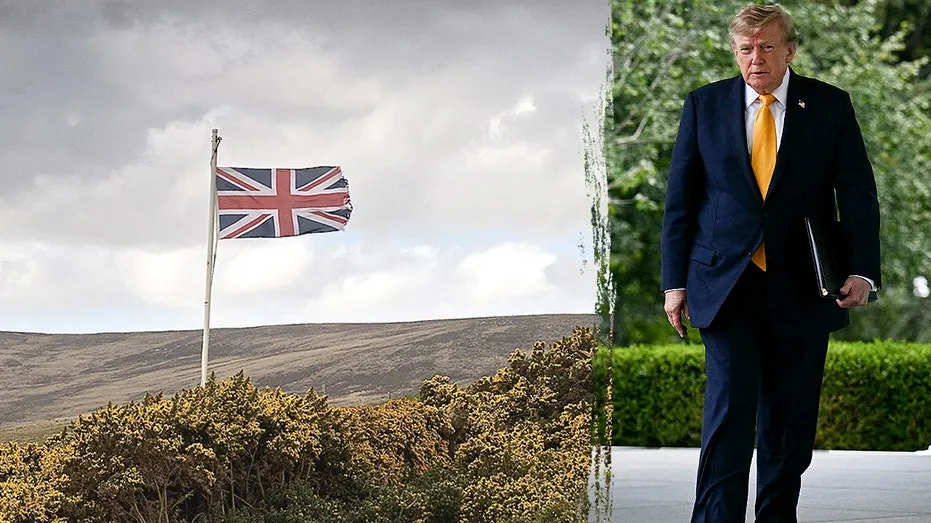
The Falklands furor isn’t about who owns the islands—it’s about who pays for NATO’s defense. Recent reports suggested Washington might use the Falklands to pressure the UK. Former Pentagon official Morgan Murphy rebutted that, but his words revealed a deeper tension: the US is fed up with allies skipping their defense bills.
Official statements from the US insist neutrality on Falklands sovereignty remains. Murphy says the US recognizes British administration of the islands. He even points to the 2013 referendum—99.8% of islanders voted to stay British—to back this. But his real message is clear: the US will use every tool except changing its Falklands stance to push the UK. Public pressure from the president, annual Hague reviews, even tariffs—these are the levers he mentions. “You don’t take the security and skip the bill,” Murphy says. “Squeeze is accountability.”
The UK’s official response is that it’s a key NATO contributor. It’s the third-largest cash spender and the only European ally to commit its nuclear deterrent. But the numbers tell a different story. The Financial Times reports Chancellor John Healey will drop the 3% GDP defense target by 2030. Current projections put UK spending at 2.7% by 2030. The 2025 Hague Summit Declaration requires 5% by 2035, including 3.5% core defense. Murphy says allies treat these pledges like suggestions. “Last year in The Hague they signed up for 5% by 2035, which won headlines, but Britain still will not lock 3% by 2030,” he says. The UK’s slide on targets is what’s driving the squeeze.
This isn’t just a US-UK issue. It’s a sign of a shifting NATO landscape. Since the 2014 Wales summit, most European allies missed the 2% defense guideline while the US carried the load. Now, Washington is pushing back. The squeeze on London isn’t abandonment—it’s a warning to all allies. The special relationship isn’t a free pass. Burden-sharing is no longer optional. This could reshape how NATO operates, with the US demanding more from its partners or scaling back its own commitments.
Author bio: Julian Holbrooke, an overseas international relations analyst who frequently contributes to major European daily newspapers.