(SeaPRwire) – By: Marcus Cole
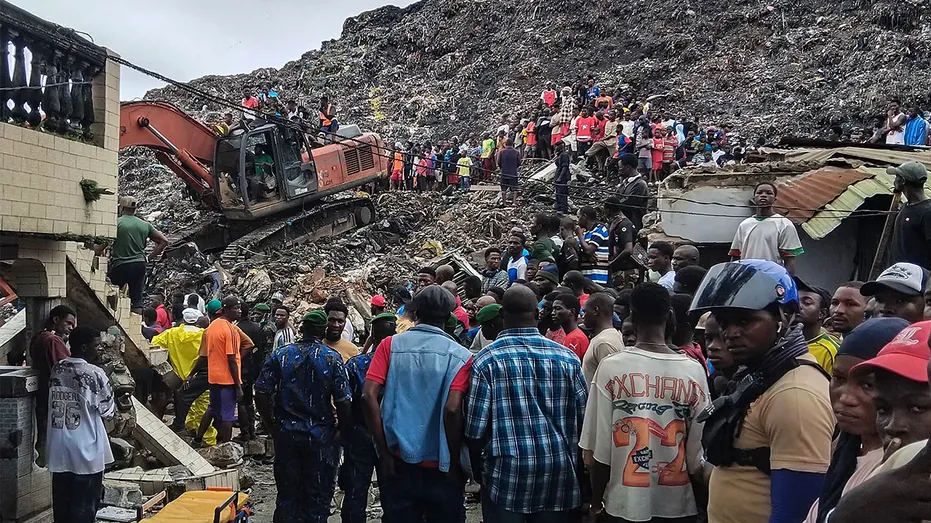
A mountain of garbage swallowed a neighborhood in Conakry and thirty people are dead. The Dar Es Salam landfill in Guinea did not just collapse. It was a structural failure wrapped in bureaucratic apathy. Heavy rain washed over the refuse overnight. The weight of waste crushed a three-story building beneath it. Six more people suffered serious injuries. Homes were destroyed. Rescuers searched through a sea of garbage for survivors who may not live to be found.
Guinea News confirmed the building collapse was caused by waste weight. The sanitation officer for the military engineering battalion, Lt. Col. Baldé Mamadou Bailo, told The Associated Press the dump was originally scheduled to close that Sunday. Officials had warned of hazardous conditions. Residents near the site received eviction notices and were told to vacate. Yet many stayed. The 2017 incident at the same landfill killed at least eight people when torrential rains triggered a mudslide. The pattern is not coincidence. It is institutional neglect repeated across years.
This is not merely a waste management crisis. It is a labor and public safety friction rendered in its purest, most lethal form. Informal settlements grew around the dump. People scavenged trash for survival. Families lived in shacks on unstable ground beneath a rising mountain of refuse. Eviction notices were issued but housing alternatives were never provided. The state issued warnings and then waited for rain to do the killing. Statutory safety frameworks exist on paper but enforcement is absent where the poor live.
Private capital and municipal governance share blame here. The landfill was a public service failure that became a private nightmare for the most vulnerable. Resettlement promises were made without delivery. The minister of territorial administration and decentralization, Dienabou Touré, said remaining families would be relocated elsewhere. Words matter little when bodies are already buried under tons of garbage. The structural employment and safety contraction in informal waste economies is not accidental. It is the direct outcome of policy choices that treat certain neighborhoods as sacrificial zones.
Governments that issue evacuation orders without providing shelter are not managing risk. They are outsourcing death. The question is not whether another collapse will happen at Dar Es Salam. The question is whether any government in Conakry will treat informal settlement safety with the same urgency it treats press statements. Thirty dead is not a statistic. It is a verdict.
Author bio: Marcus Cole is a labor law researcher and contributor to independent administrative law reviews specializing in infrastructure safety governance and informal settlement policy.